
Cargo Insurance: What a Policy Actually Pays and What It Does Not
Cargo Insurance: What a Policy Actually Pays and What It Does Not
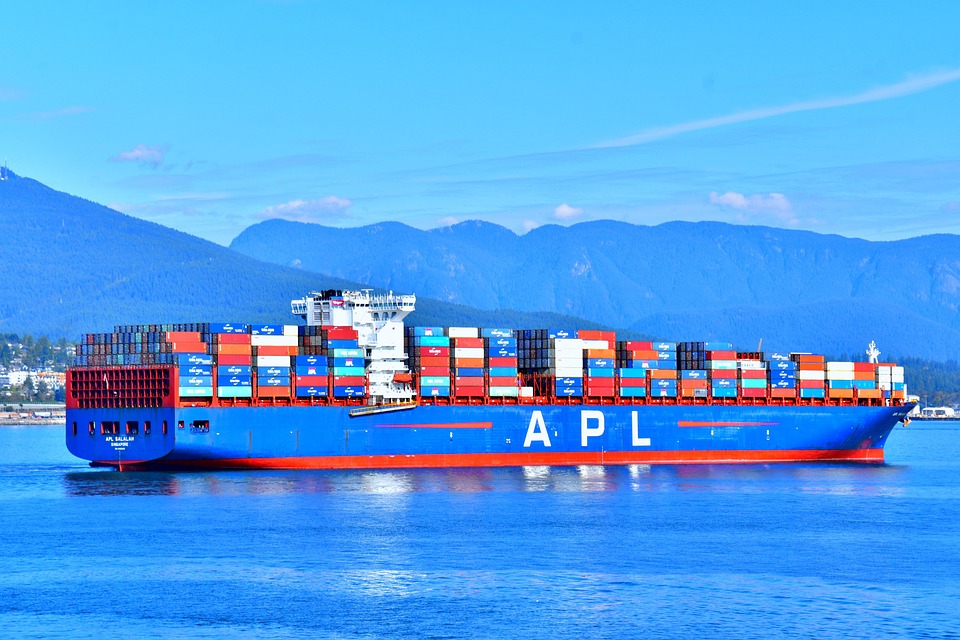
A container arrives with water damage down one side. The importer files a claim and discovers that the policy, the carrier's liability limit, and the cost of the goods are three different numbers, and that only one of them is large.
The gap between them is not a claims department being difficult. It is a set of decisions made at policy inception, most of which are made by people who never see the claim.
What an open cargo policy covers
Most regular importers buy an open policy rather than insuring shipment by shipment. It covers goods in transit against defined perils for a period, with a value declaration made per shipment or periodically.
The scope is set by the perils named in the policy. Institute Cargo Clauses (A), (B) and (C) are the common reference points: (A) covers all risks subject to exclusions, while (B) and (C) name progressively fewer perils. The difference between them is not a premium detail; it decides whether most claims succeed.
Warehouse-to-warehouse is the usual transit clause, meaning cover runs from the supplier's premises to the final destination. It stops at the point named in the policy, and a container sitting in a yard after delivery may already be outside it.
The two columns that decide everything
Typically covered under an all-risks wording | Typically excluded or limited |
Loss or damage from an external cause in transit | Loss arising from the goods' own nature or inherent vice |
Water ingress from a defective or damaged container | Sweat and condensation, unless specifically covered |
Theft of an entire shipping package | Shortage from a sealed container with seals intact |
Damage in loading, discharge or handling ashore | Delay alone, where the goods arrive undamaged |
General average and salvage contributions | Loss from insufficient or unsuitable packaging |
Damage across a defined percentage of the shipment | Wear, gradual deterioration, and ordinary leakage |
The two rows that produce most disputes are the fourth and the fifth. Delay is excluded almost everywhere, and packaging is treated as the shipper's responsibility rather than a peril.
Three losses, three outcomes
Scenario | Likely outcome | Why |
Container rain; cartons soft and moulded after a long voyage | Often contested | Cause is condensation, which many wordings exclude or limit |
Forklift punctures a crate during discharge | Usually paid | External accidental damage within the transit period |
Sealed container arrives short by six cartons | Usually declined | Seals intact points to a packing or loading error before transit |
The middle row is the instructive one. The same physical damage is payable or not depending on when it happened, and the evidence that establishes when is collected at delivery, not afterwards.
Under-insurance, the clause that quietly halves a payout
Policies are commonly written on a value basis that assumes a declared invoice value plus a percentage for freight and expected profit. If the declared value is the commercial invoice alone, the payout on a total loss is the invoice value, which excludes the freight, the duty and the margin.
A second mechanism is more punitive. Where a policy carries an average or under-insurance clause and the sum insured is below the insured value, the settlement is reduced in proportion to the shortfall, so understating value by thirty per cent reduces every claim by thirty per cent rather than only the largest ones.
The fix is arithmetic done once. Declare invoice value plus freight plus duty plus the intended margin, and check the basis each time the product mix changes materially.
What the claim file has to contain
1. Photographs at the point of discovery, before the goods are moved or the packaging is discarded.
2. The delivery receipt or interchange, annotated with the exception noted at the time rather than a clean signature with a complaint attached later.
3. The commercial invoice, packing list and bill of lading for the shipment, showing what was supposed to be there.
4. A written statement from the carrier or terminal if damage was noted on gate-out, obtained within the notice period in the carrier's bill of lading terms.
5. Repair or salvage quotes, or a credit note if the goods were sold on at a reduced price.
The second item is the one that decides most contested claims. A clean delivery receipt is a statement that the goods arrived in apparent good order, and overturning it later is possible but expensive.
Why the freight forwarder is not the insurer
A forwarder arranging insurance is placing cover with an underwriter. The forwarder does not decide the claim, does not pay it, and is not the party whose policy wording governs it.
This matters because carrier liability is a separate and much smaller thing. Carrier liability under a bill of lading is limited by package or weight under the applicable convention or statute, which is why a settled cargo claim and a settled carrier claim for the same container are usually different numbers.
Asking both questions early is the practical move: what does the cargo policy pay, and what would the carrier owe if the policy did not exist. The second answer is usually small enough to make the first one worth reading carefully.
1. Ask which Institute Cargo Clauses the policy is written on, and get the answer in writing before renewal.
2. Confirm whether condensation and sweat damage are covered; for long voyages in humid seasons this is the clause that decides real claims.
3. Check the declared value basis against a recent shipment and adjust it to include freight, duty and margin.
4. Instruct whoever receives the container to note exceptions on the delivery receipt and photograph before moving anything.


