
How to Prepare China to USA Ocean Freight for Peak Season
How to Prepare China to USA Ocean Freight for Peak Season
Peak season rarely fails because there is no space on the vessel. It fails because three clocks run at the same time and only one of them appears on the carrier's schedule: the booking cut-off, the U.S. filing deadlines that count backwards from loading, and the free time at the destination that starts at discharge whether or not anyone is ready for the container.
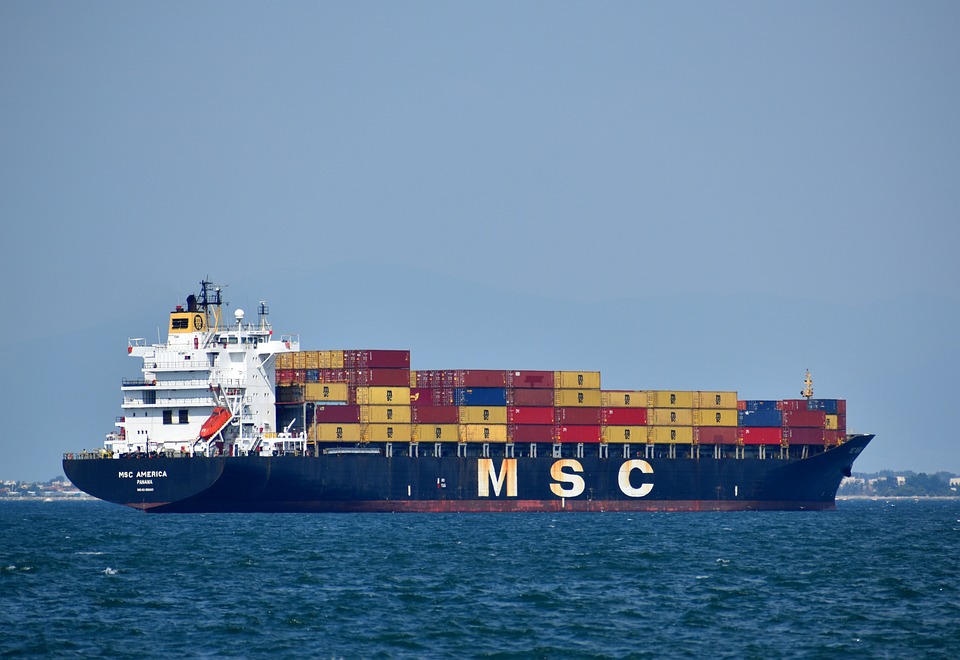
Peak season begins with the contract cycle, not the calendar
Transpacific pricing is anchored to the annual service contract cycle. Ocean carriers and shippers file service contracts with the U.S. Federal Maritime Commission under 46 CFR Part 530, and the contracts covering most importer volume take effect on 1 May. The rate structure for the year is fixed on that date, and space on the preferred strings starts to tighten after it.
Peak season surcharges are announced separately and reset month by month, so a rate confirmed in May is not the rate that applies in September. Any peak quote should be treated as valid for its stated window only, and the invoice checked against the surcharge announcement in force on the sailing date rather than the booking date.
The planning window runs from late June to mid-October, and two fixed interruptions sit inside or immediately after it. China's National Day closure in the first week of October stops factories and tightens trucking for roughly a week on either side. Chinese New Year falls on 6 February 2027, which pulls factory closures back into mid-January and makes the last pre-holiday vessels fill during December.
Work backwards from the date the cargo has to be on a shelf in the United States, not forwards from the date production finishes.
The 24-hour filings that decide whether the container loads
This is where peak shipments are actually lost, and none of it concerns vessel space.
Filing | Deadline | Authority | If it is late |
ISF 10+2 | 24 hours before the cargo is laden | 19 CFR 149.2(b) | Liquidated damages up to $5,000 per violation; a do-not-load order can be issued at origin |
AMS manifest | 24 hours before lading at the foreign port | 19 CFR 4.7 | Container is not loaded |
VGM | Before the stowage plan is finalised | SOLAS Chapter VI, Regulation 2 | Container is shut out |
Under 19 CFR 149.2(b), eight ISF elements must be transmitted no later than 24 hours before the cargo is laden at the foreign port: seller, buyer, importer of record number, consignee numbers, manufacturer or supplier, ship-to party, country of origin, and the six-digit HTSUS classification. Two further elements, container stuffing location and consolidator, may be updated up to 24 hours before the vessel arrives in the United States.
The element that causes the most trouble is the manufacturer or supplier name and address. When it does not match the commercial invoice, CBP's targeting system flags the shipment, and the container is held on arrival even though the goods are correct and the duty has been paid.
Liquidated damages run to $5,000 per violation under 19 CFR 113.62(j). Because a late or inaccurate filing can be assessed element by element, a single shipment can produce more than one claim.
The cost that matters more during peak season is the do-not-load order. It is issued before departure, it removes the container from a sailing that is already full, and the next available booking may be two or three weeks away. Whatever the container then accrues at the destination is a second, entirely separate bill.
Equipment is the constraint, not slot
From July onward the shortage is usually containers rather than vessel space, and 40HQ is the first to disappear. Empty availability at inland depots depends on how quickly empties come back, which slows exactly when importers are holding containers longer at destination.
A booking reference with no equipment behind it is not a booking. When confirming space, confirm the container release date and the depot as well, and ask what happens if the release slips past the cut-off.
For inland destinations the binding constraint is not the ocean cut-off. It is the rail ramp ingate window and the drayage appointment on the far side, and both compress as volume rises.
Two inland routings are worth telling apart at the booking stage. Under IPI, the carrier is responsible for the box to an interior point and the rail leg sits inside the through rate. Under MLB, the container moves by rail from the West Coast port under a separate arrangement. In both cases the ramp's ingate cut-off, not the vessel cut-off, is the date that decides whether the container keeps its rail allocation. Chassis availability sits on top of that: interchange between providers runs under the Uniform Intermodal Interchange Agreement, and pool availability tightens in exactly the weeks when every importer is trying to move at once.
The destination clock starts at discharge
Free time at a U.S. port is typically four to five calendar days, counted separately for demurrage, which applies while the container sits inside the terminal, and detention, which applies once it has left. Neither extends because a document is outstanding or a warehouse has no appointment.
The FMC's detention and demurrage billing rule at 46 CFR Part 541 took effect on 28 May 2024. Section 541.7(a) requires the billing party to issue an invoice within 30 calendar days of the date the charge was last incurred, and provides that if it does not, the billed party is not required to pay. Section 541.7(b) applies the same logic to a non-vessel-operating common carrier passing the charge through: the NVOCC has 30 calendar days from the invoice it received to issue its own.
On 23 September 2025 the D.C. Circuit set aside section 541.4, which governed who may be invoiced. Every other provision of Part 541 remains in force, including the 30-day issuance deadline, the required invoice contents, and the 30 calendar days a billed party has to request mitigation, refund or waiver under 541.8.
The practical point for a peak-season dispute is that the argument is rarely about the amount. It is about whether the invoice was issued in time and whether free time was calculated from the right event.
【H2】
What to prepare before the first peak booking
1. HTS classification for every SKU, settled before the booking rather than before the entry.
2. A decision on whether any line is regulated. Food arriving by water requires FDA prior notice no later than eight hours before arrival under 21 CFR 1.279.
3. The ISF elements in writing from the supplier, with the manufacturer name and address exactly as they appear on the commercial invoice.
4. A commercial invoice and packing list that match the ISF data field by field.
5. A named contact and an appointment window at the destination warehouse.
6. Chassis and drayage arranged at booking, not after the container is discharged.
The carrier will run its schedule regardless of what happens on your side. The only sequence you control is the order your own documents move in, and in peak season that order decides more than the rate does.


