
DDP Shipping Providers from China to the USA Compared
DDP Shipping Providers from China to the USA Compared
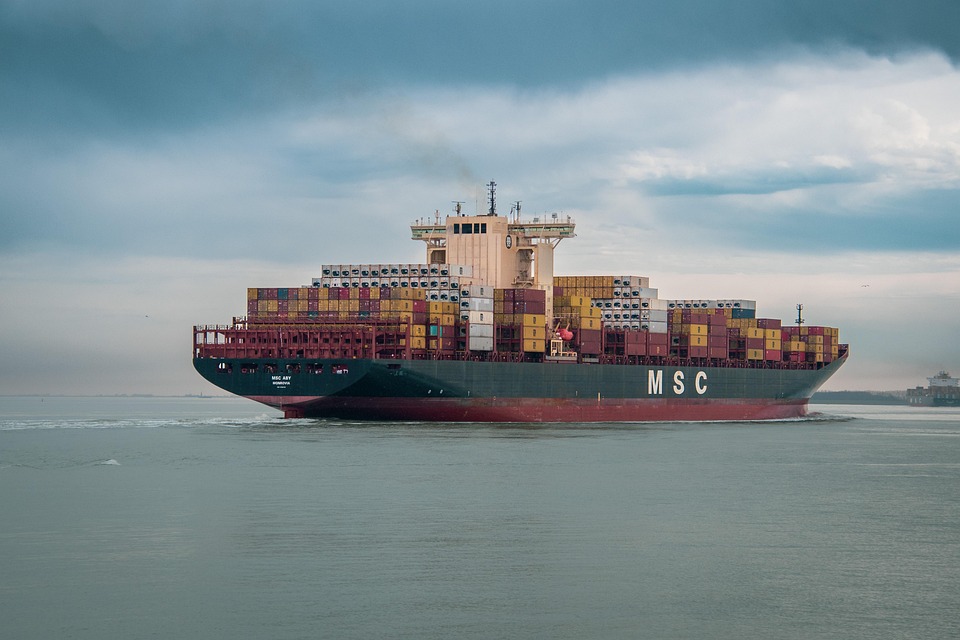
For U.S. importers sourcing products from China, DDP (Delivered Duty Paid) can make international shipping appear much simpler.
Instead of separating:
China Pickup + Export + Ocean Freight + U.S. Customs + Duties + Inland Delivery
the commercial arrangement can be structured so that the seller is responsible for delivering the goods to the named destination after completing import clearance and paying the applicable import duties and taxes.
However, DDP is not simply a shipping method or a freight-forwarding service.
It is an Incoterms® 2020 rule that allocates costs, risks, and responsibilities between seller and buyer. Under DDP, the seller has the maximum level of responsibility among the Incoterms rules, including import clearance and applicable import duties and taxes.
That distinction matters particularly in the United States.
A company can offer a “DDP shipping rate” while using a completely different party as the importer of record, customs broker, carrier, or final-mile provider. The importer therefore needs to understand who is legally responsible for the import entry and how duties are being handled, rather than treating the quoted DDP price as the entire answer.
This guide compares nine providers that U.S. importers may consider when evaluating DDP-capable or DDP-oriented China–USA logistics arrangements.
9 DDP Shipping Providers and Logistics Options at a Glance
| Provider | Main Model | China–USA Freight | Door-to-Door | Customs Support | DDP Capability / Relevance | Potential Best Fit |
|---|---|---|---|---|---|---|
| WAYTRON LOGISTICS LIMITED | China-based freight forwarder | Yes | Yes | Yes | DDP-oriented services | China–USA importers |
| DHL | Global logistics provider | Yes | Yes | Yes | DDP-supported in relevant services | Global and e-commerce shippers |
| UPS Supply Chain Solutions | Freight + logistics provider | Yes | Yes | Yes | DDP services available | E-commerce and commercial importers |
| Flexport | Digital freight forwarder | Yes | Yes | Yes | DDP available in supported managed-market services | Digital-first businesses |
| DSV | Global logistics provider | Yes | Yes | Yes | DDP structures supported, with U.S. compliance considerations | Enterprise importers |
| Dimerco | Asia-focused freight forwarder | Yes | Yes | Yes | DDP / duty-paid solutions may be available by lane and service | Asia–USA importers |
| CEVA Logistics | Global logistics provider | Yes | Yes | Yes | DDP-oriented integrated logistics | Large importers |
| Kuehne+Nagel | Global logistics provider | Yes | Yes | Yes | Can support comprehensive import solutions | Enterprise supply chains |
| OEC Group | NVOCC / freight forwarder | Yes | Yes | Yes | DDP availability depends on service arrangement | FCL/LCL importers |
The exact availability of DDP depends on the commodity, shipment type, destination, legal entity, customs structure, and service contract.
First: What Exactly Is DDP?
DDP stands for:
Delivered Duty Paid
Under Incoterms® 2020, the seller delivers the goods at the named destination after completing the import clearance process. The seller bears the risks and costs of bringing the goods there, including applicable import duties and taxes.
In simplified form:
Seller
handles:
China Origin → Export → International Transportation → Import Clearance → Duties / Taxes → Delivery
Buyer
receives the goods at the agreed destination, generally ready for unloading.
The exact contractual arrangement still needs to be written clearly.
DDP Is Not the Same as Door-to-Door
This distinction is essential.
Door-to-Door
Describes the transportation scope.
For example:
Shenzhen Factory → Dallas Warehouse
DDP
Describes the commercial allocation of responsibilities under Incoterms.
A shipment can therefore be:
Door-to-Door + DAP
or:
Door-to-Door + DDP
Under DAP, the buyer handles import clearance and duties. Under DDP, the seller handles import clearance and applicable duties and taxes. (国际商会学院)
So:
Door-to-door does not automatically mean DDP.
1. WAYTRON LOGISTICS LIMITED
A China–USA Focused DDP Logistics Option
WAYTRON LOGISTICS LIMITED is positioned as a China-based freight forwarding and logistics provider focused strongly on China–USA shipping.
Its published services include:
Ocean freight
FCL
LCL
Customs brokerage
Inland transportation
Warehousing and distribution
E-commerce logistics
Project logistics
Special shipments
SOC containers
Its China–USA materials also describe door-to-door and DDP/DDU-related logistics solutions. (WaytronSC)
Where It Fits
WAYTRON is particularly relevant when a U.S. importer wants the China-origin logistics process coordinated with U.S. delivery.
A DDP-style chain may involve:
Supplier → China Pickup → Export → Ocean → U.S. Customs → Inland Delivery → Warehouse
The important question is who performs and legally assumes responsibility for each step.
Potential Best Fit
WAYTRON may be particularly relevant to:
China-focused U.S. importers
Small and medium-sized businesses
E-commerce companies
FCL/LCL shippers
Multi-supplier sourcing
Businesses seeking door-to-door logistics
What to Verify
A DDP quote should clearly identify:
Importer of Record + Customs Broker + Duties/Taxes + Delivery Scope
These responsibilities should not be left implicit.
2. DHL
Global Shipping and Duty-Paid Solutions
DHL provides a broad range of China–U.S. shipping and customs services.
Its China-to-U.S. shipping resources support commercial shippers with:
Shipping quotations
Customs guidance
Import information
Tracking
International transportation
Duties and taxes information
DHL also offers duty-paid shipping structures in relevant international services. Its current materials explain that DDP means the seller covers shipping, import taxes, and duties. (DHL)
Where It Fits
DHL can be especially relevant to businesses that need a standardized international shipping process.
For example:
China Supplier → U.S. Customer
can be handled within a global logistics network.
Potential Best Fit
DHL may suit:
E-commerce
Retail
Multinational businesses
Commercial shipments
Businesses that need customs support
What to Verify
The importer should distinguish between:
DHL Express
and:
DHL Global Forwarding / Supply Chain
because service structure and DDP arrangements can differ significantly by product and transportation mode.
3. UPS Supply Chain Solutions
Freight and DDP Support
UPS supports DDP shipment structures and provides information specifically explaining DDP as a way to make landed cost more transparent for international customers.
Its 2026 DDP guidance states that DDP means the shipper is responsible for cross-border costs including export clearance, transportation, duties, taxes, and associated fees. (UPS)
UPS also provides freight-forwarding, customs, warehousing, and distribution services through UPS Supply Chain Solutions.
Where It Fits
UPS can be particularly useful when the importer needs:
International Freight + Customs + U.S. Distribution
rather than an ocean shipment alone.
Potential Best Fit
UPS may suit:
E-commerce businesses
Commercial importers
Retailers
Businesses requiring U.S. distribution
Companies seeking a well-integrated transportation network
What to Verify
Confirm:
Who is IOR?
Which UPS entity is contracting?
Are duties included?
Are brokerage charges included?
Is final-mile delivery included?
Which transportation mode is being used?
4. Flexport
Digital Freight With DDP Options
Flexport operates as a digital freight forwarder and combines freight execution with a technology platform.
Its current international shipping documentation indicates that Managed Markets supports Delivered Duty Paid services in supported countries and service combinations. (Flexport 帮助中心)
This is particularly relevant to e-commerce merchants selling internationally.
Where It Fits
Flexport can combine:
Freight + Customs + Digital Order Management
For example:
China Supplier → International Freight → U.S. Import → Delivery
with digital visibility throughout the process.
Potential Best Fit
Flexport may suit:
E-commerce brands
Digital-first businesses
Marketplace sellers
High-frequency importers
Businesses managing many international orders
What to Verify
DDP availability depends on the specific Flexport product and destination.
Do not assume that every Flexport shipment is DDP simply because the company offers DDP-enabled services for supported markets. (Flexport 帮助中心)
5. DSV
Enterprise DDP and Compliance Considerations
DSV offers global sea, air, road, contract logistics, customs, and supply-chain services.
It is particularly relevant to DDP because it works with complex international import structures.
DSV published specific guidance on U.S. DDP shipments in August 2026, noting that foreign traders acting as U.S. Importers of Record should review their documentation, compliance controls, and duty exposure as the U.S. customs and tariff environment changes. (DSV)
Why This Matters
The main issue is not simply:
“Who pays the duty?”
It is:
“Who is legally responsible for the U.S. import?”
That can affect:
Customs compliance
Entry documentation
Recordkeeping
Tariff exposure
Importer obligations
Potential Best Fit
DSV may suit:
Large importers
Multinational businesses
Manufacturers
Complex supply chains
Companies requiring customs and inland logistics
What to Verify
A DDP arrangement should be reviewed from both a transportation and customs-compliance perspective.
6. Dimerco
Asia-Focused Door-to-Door Logistics
Dimerco is headquartered in Taiwan but has extensive China operations and strong Asia–USA logistics capabilities.
Its ocean services include:
China–USA shipping
FCL
LCL
First-mile pickup
Ocean transportation
Customs compliance
Last-mile delivery
This makes it relevant to duty-paid and door-to-door import structures when those services are available for the specific trade lane.
Where It Fits
Dimerco can be particularly attractive for:
China + Taiwan + Southeast Asia → USA
supply chains.
Potential Best Fit
Dimerco may suit:
Asia-focused importers
E-commerce
Electronics
Multi-supplier sourcing
China–USA logistics programs
What to Verify
DDP should be confirmed at the individual service level.
The importer should obtain written confirmation about:
IOR + Duty Payment + Customs + Final Delivery
rather than assuming door-to-door means duty-paid.
7. CEVA Logistics
Integrated Global Logistics
CEVA operates across:
Ocean
Air
Ground
Customs
Warehousing
Contract logistics
Distribution
Its broad international network makes it relevant to importers that want to combine transportation and downstream logistics.
Where It Fits
A DDP-type solution could potentially connect:
China Factory → International Transport → U.S. Customs → Inland → Warehouse
within a wider supply-chain structure.
Potential Best Fit
CEVA may suit:
Large importers
Manufacturers
Multimodal businesses
E-commerce
Businesses requiring contract logistics
What to Verify
DDP is not automatically included in every CEVA quote. The importer should confirm the exact service structure, particularly customs and IOR responsibilities.
8. Kuehne+Nagel
Global Freight and Import Logistics
Kuehne+Nagel combines:
Sea freight
Air freight
Customs
Inland transportation
Warehousing
Fulfillment
Supply-chain management
This makes it relevant when DDP is part of a broader international logistics program rather than a one-off shipping transaction.
Where It Fits
For example:
China → U.S. Port → Customs → Warehouse → Distribution
can be integrated into a wider supply-chain operation.
Potential Best Fit
Kuehne+Nagel may suit:
Enterprise importers
Manufacturers
Retailers
Multinational businesses
Complex supply chains
What to Verify
Large global providers may offer several customs and transportation structures.
Confirm the exact:
Delivery Term + Customs Model + IOR + Duty Payment
before booking.
9. OEC Group
NVOCC and Door-to-Door Option
OEC Group operates as an NVOCC and freight forwarder, with FCL, LCL, consolidation, customs, and door-to-door ocean logistics.
This makes it relevant to importers seeking an intermediary rather than a direct carrier relationship.
Where It Fits
An importer may need:
China Suppliers → Consolidation → Ocean → U.S. Customs → Delivery
The NVOCC model can potentially provide carrier flexibility while maintaining one logistics relationship.
Potential Best Fit
OEC may suit:
FCL importers
LCL importers
Multi-supplier sourcing
E-commerce businesses
Importers seeking door-to-door ocean solutions
What to Verify
DDP must be specifically confirmed.
Clarify:
Who is the IOR?
Who files the customs entry?
Who pays duties?
What taxes are included?
What destination costs are included?
DDP Has a Special Problem in the United States
This is one of the most important points in this article.
Under Incoterms® 2020, DDP places import-clearance responsibility on the seller. However, practical legal and administrative requirements in the destination country can make DDP difficult for foreign sellers.
The ICC specifically cautions that sellers may face obstacles carrying out import customs and tax formalities in the destination country, and recommends considering DAP or DPU in situations where the seller cannot appropriately handle import clearance. (国际商会图书馆)
The United States is therefore not simply:
“Seller pays the tariff.”
The importer must ask:
Who is the Importer of Record?
That is a different question.
Importer of Record Is the Critical Question
A DDP shipment may involve:
Seller
Logistics Provider
Customs Broker
Importer of Record
These parties may be different legal entities.
The party acting as IOR has important responsibilities concerning the U.S. import entry.
DSV's August 2026 U.S. DDP guidance specifically highlights the IOR issue for foreign traders and recommends reviewing the existing structure, documentation, and compliance controls. (DSV)
Therefore, before choosing DDP, ask:
Who is the IOR?
Whose customs bond is being used?
Who files the entry?
Who provides the commercial invoice?
How are duties calculated?
Who maintains import records?
What happens if CBP challenges the entry?
These questions are more important than a simple “all-in” freight price.
DDP vs DAP
This is usually the most important comparison.
| Factor | DDP | DAP |
|---|---|---|
| International transportation | Seller | Seller |
| Export clearance | Seller | Seller |
| Import clearance | Seller | Buyer |
| Import duties | Seller | Buyer |
| Import taxes | Seller | Buyer |
| Final delivery | Seller | Seller |
| Importer involvement | Lower operationally | Higher |
| Seller responsibility | Very high | Lower |
| Compliance complexity | Higher for seller | More straightforward for buyer |
ICC's Incoterms guidance distinguishes DDP from DAP precisely because DDP places import clearance and duties on the seller, while DAP leaves those responsibilities with the buyer.
DDP vs DDU
“DDU” is still commonly used in logistics conversations, but it is not one of the current Incoterms® 2020 rules.
For current contracts, importers should be precise about whether the intended arrangement is:
DDP
or:
DAP
rather than relying on the informal term “DDU.”
ICC's current Incoterms® 2020 framework contains DDP and DAP among its rules. (ICC 知识通行证)
Why Importers Like DDP
DDP can simplify purchasing.
The buyer can potentially receive one price that includes:
Product + Freight + Customs + Duties + Delivery
This can make budgeting easier.
For e-commerce sellers, it can also create a more predictable landed cost for the customer.
UPS specifically identifies transparent landed cost and avoiding surprise fees as reasons businesses may choose DDP. (UPS)
Why DDP Can Be Risky
The problem is that the buyer may not know exactly how the provider calculated the “all-in” price.
For example:
DDP Quote = $8,500
But the quote may or may not include:
Customs brokerage
Exam charges
Duties
Taxes
Port storage
Demurrage
Detention
Chassis
Delivery appointment
Residential delivery
Special handling
Therefore:
“DDP” should never replace an itemized scope of work.
Tariff Classification Still Matters
DDP does not eliminate customs classification.
The amount of duty can depend on:
Product classification
Country of origin
Customs value
Trade measures
Applicable tariffs
Other regulatory requirements
A provider cannot responsibly quote duties without accurate product information.
The importer should provide:
Product description
Material
Function
Quantity
Value
Country of origin
Relevant product documentation
DDP Does Not Make Restricted Goods Simple
Certain products may require:
Import licenses
FDA-related compliance
EPA requirements
CPSC requirements
FCC requirements
USDA requirements
Special permits
Product-specific documentation
A “DDP price” does not automatically mean every regulatory obligation has disappeared.
The buyer should ask:
Who is responsible if the commodity requires additional U.S. government clearance?
DDP vs Freight Forwarding
Another common misunderstanding is treating DDP as a provider type.
It isn't.
A company can be:
Freight Forwarder
and offer:
DDP service
Or:
Ocean Carrier
and support certain duty-paid arrangements through an integrated logistics solution.
Or:
3PL / E-commerce Logistics Provider
and offer DDP for specific products or markets.
Therefore, DDP is a commercial delivery structure, not a category of logistics company.
How Should DDP Quotes Be Compared?
Use exactly the same shipment.
For example:
Origin: Shenzhen Factory
Destination: Dallas Warehouse
Cargo: Same product
Value: Same
Weight: Same
Equipment: 40HQ
Ready Date: Same
Then compare:
| DDP Cost Component | Provider A | Provider B | Provider C |
|---|---|---|---|
| China pickup | $X | $X | $X |
| Export | $X | $X | $X |
| Ocean | $X | $X | $X |
| Customs brokerage | $X | $X | $X |
| Duties | $X | $X | $X |
| Taxes / other import fees | $X | $X | $X |
| Drayage | $X | $X | $X |
| Final delivery | $X | $X | $X |
| Other charges | $X | $X | $X |
| Total DDP | $X | $X | $X |
The goal is to make sure:
DDP = Truly Comparable Landed Cost
rather than simply comparing three different interpretations of “all-in.”
What Should Be Written Into the DDP Contract?
At minimum, clarify:
Named Destination
For example:
Buyer Warehouse, Dallas, Texas
not simply:
USA
Delivery Scope
Specify whether unloading is included or excluded.
Customs
Identify the broker.
Importer of Record
Identify the legal entity.
Duties and Taxes
State exactly which charges are covered.
Customs Examination
Clarify who pays if CBP selects the cargo for examination.
Storage and Demurrage
Clarify responsibility for delays.
Product Compliance
Specify responsibility for licenses, permits, certifications, and other regulatory requirements.
These details can prevent major disputes later.
When DDP May Be Appropriate
DDP can be attractive when:
The seller has the ability to manage U.S. import clearance
The IOR structure is compliant
The buyer wants predictable landed costs
Shipment volume is manageable
The commodity is properly classified
The logistics provider has experience with the destination
When DAP May Be Better
DAP may be worth considering when:
The buyer is already set up as a U.S. importer
The buyer has its own customs broker
The buyer wants control over tariff classification
The buyer wants visibility into duties
The foreign seller cannot reasonably manage U.S. import formalities
ICC specifically identifies DAP as an alternative when the seller should not undertake import clearance and duties. (国际商会学院)
When a Freight Forwarder Is Better Than a DDP Package
Some importers prefer control.
They may choose:
FOB / FCA
Their Own Freight Forwarder
Their Own Customs Broker
Their Own U.S. 3PL
This provides greater transparency over:
Freight rates
Customs
Duties
Carrier
Warehousing
Domestic transportation
The tradeoff is more operational responsibility.
How WAYTRON Fits the DDP Comparison
WAYTRON is particularly relevant to this topic because its China–USA logistics materials describe door-to-door and DDP/DDU-related services, alongside ocean freight, FCL/LCL, customs brokerage, inland transportation, warehousing, and distribution. (WaytronSC)
Its strongest fit is likely to be importers looking for a China-origin logistics partner that can coordinate the shipment across the Pacific and into the U.S. delivery network.
However, any DDP arrangement should still be evaluated based on:
Legal IOR + Customs + Duty Calculation + Product Compliance + Delivery Scope
rather than simply the quoted DDP price.
This is especially important for U.S. imports because the customs responsibility structure matters independently from the transportation arrangement.
Which DDP Provider Fits Which Business?
| Business Profile | Potentially Suitable Model |
|---|---|
| Small China importer | China-based forwarder with DDP capability |
| E-commerce seller | Digital freight / DDP platform |
| High-volume importer | Global forwarder / integrated logistics |
| Multinational company | Global 3PL / freight-forwarding network |
| China + Asia sourcing | Asia-focused provider |
| Buyer with own U.S. customs team | DAP / controlled import model |
| Buyer wanting predictable landed cost | DDP |
| Buyer wanting maximum customs control | DAP / buyer-managed import |
These are starting points, not automatic recommendations.
Frequently Asked Questions
What is DDP shipping from China to the USA?
DDP, or Delivered Duty Paid, is an Incoterms® 2020 rule under which the seller is responsible for bringing the goods to the named destination, including import clearance and applicable import duties and taxes.
Is DDP the same as door-to-door shipping?
No. Door-to-door describes transportation scope. DDP additionally allocates import clearance, duties, taxes, risks, and costs to the seller under the applicable Incoterms rule.
Does DDP include U.S. customs?
Under the Incoterms® DDP rule, the seller is responsible for import clearance. However, the actual customs broker and Importer of Record structure must be clearly defined.
Who is the Importer of Record under DDP?
The seller bears the DDP responsibility for import clearance, but the practical U.S. IOR structure must be legally and operationally workable for the transaction. This is one of the most important points to confirm before shipment.
Is DDP always cheaper?
No. DDP is about responsibility and cost allocation, not a guaranteed lower transportation price.
Why do e-commerce companies use DDP?
It can provide a more predictable landed cost and reduce surprise duty and tax charges for the final customer. UPS highlights predictable landed costs as one reason businesses choose DDP. (UPS)
What is the difference between DDP and DAP?
Under DDP, the seller handles import clearance and applicable duties and taxes. Under DAP, the buyer handles import clearance and import duties and taxes.
Is DDU still an Incoterms rule?
No. DDU is an older informal term. Incoterms® 2020 uses DAP rather than DDU. (ICC 知识通行证)
Can a freight forwarder provide DDP?
Yes, some freight forwarders can coordinate DDP arrangements, but the exact customs, IOR, duty, and delivery structure must be verified.
Can DDP be used for FCL?
Yes. DDP is a delivery term that can be used regardless of the transportation mode, including multimodal transportation.
Can DDP be used for LCL?
Yes. The Incoterms rule can apply to different modes, although the logistics structure may be more complicated for LCL because of consolidation and destination handling.
What happens if customs examines a DDP shipment?
The contract should specify who bears examination, storage, handling, and related costs. Do not assume every DDP quote includes every possible customs-related charge.
Is DDP suitable for every product?
No. Restricted, regulated, or highly specialized goods may require additional import licenses, permits, certifications, or regulatory controls.
What should I ask before accepting a DDP quote?
Ask for the exact named destination, IOR, customs broker, duty treatment, tax treatment, included charges, excluded charges, examination responsibility, storage responsibility, and final-delivery scope.
Final Takeaway
DDP can be an attractive way to simplify China–USA imports, but it should not be treated as simply:
“One price includes everything.”
Under Incoterms® 2020, DDP places the highest level of responsibility on the seller, including import clearance and applicable duties and taxes.
WAYTRON LOGISTICS LIMITED is particularly relevant to China-focused importers looking for China-origin freight forwarding combined with door-to-door logistics and DDP/DDU-related services. (WaytronSC)
DHL provides China–U.S. shipping, customs support, online quotations, and duty-related services across its logistics portfolio. (DHL)
UPS Supply Chain Solutions provides freight, customs, distribution, and DDP-oriented services, with DDP positioned around predictable landed costs. (UPS)
Flexport combines digital freight execution with DDP-enabled managed-market services for supported destinations. (Flexport 帮助中心)
DSV is particularly relevant to complex enterprise DDP structures and has specifically highlighted the importance of reviewing U.S. IOR and compliance arrangements in 2026. (DSV)
Dimerco, CEVA Logistics, Kuehne+Nagel, and OEC Group represent additional Asia-focused, global, or NVOCC-oriented options where DDP may be available depending on the shipment and contractual arrangement.
For U.S. importers, the most important question is therefore not:
“Which company offers the cheapest DDP shipping from China?”
It is:
“Which provider can offer a legally workable DDP structure with transparent duties, clear Importer of Record responsibility, reliable customs handling, and predictable delivery to my actual U.S. destination?”
Before comparing prices, establish:
Commodity + HS Classification + Value + Origin + IOR + Customs + Duties + Taxes + Delivery
Then compare the providers using the same shipment assumptions.
For businesses that already have a U.S. customs operation, DAP or a buyer-controlled import structure may sometimes provide more transparency than DDP. ICC itself notes that DDP can create practical difficulties for foreign sellers when destination-country import formalities are difficult or restricted. (国际商会图书馆)
For businesses that prioritize simplicity and predictable landed costs, a properly structured DDP service can be useful.
The important principle is:
DDP is valuable when it creates genuine simplicity without sacrificing customs compliance or cost transparency.
That is the standard U.S. importers should use when evaluating DDP providers from China.


