
How a Customs Exam Adds Days: The Sequence, Step by Step
How a Customs Exam Adds Days: The Sequence, Step by Step
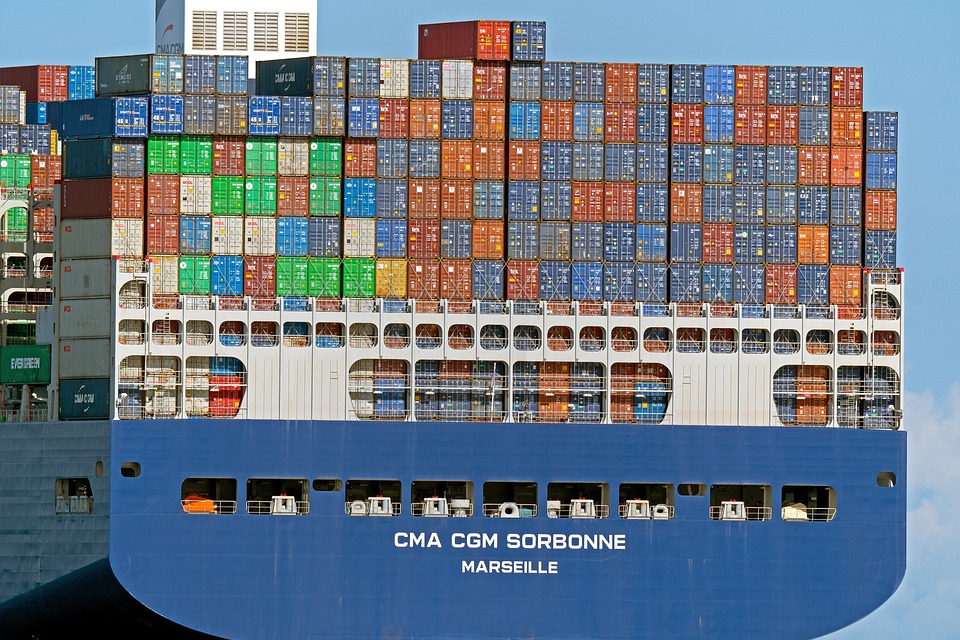
A container selected for an intensive exam is not delayed by the inspection. It is delayed by the six handoffs between the vessel and the warehouse, and each one has its own queue.
This is the sequence, with the points where days actually get added, so that a delay of two days and a delay of ten can be told apart at the start rather than at the end.
The notice
The exam notice arrives through the entry filer, usually as a message on the entry rather than a document. It names the exam type and, often, the exam site.
Day one of the delay is usually spent confirming what the notice means. An NII selection and an intensive selection look similar in a message queue and lead to very different timelines.
The useful action here is to get two things in writing on the first day: the exam type, and the site where the container will be inspected. Without the site, you cannot book the drayage, and the drayage booking is the next queue.
The move to the exam site
If the exam happens at the terminal, this step is short. If it happens at a Centralized Examination Station, the container needs a drayage move, and that move competes with every other container in the port for the same trucks and chassis.
This is where the first multi-day gap usually appears. The container is available, the exam is authorised, and the move waits two to four days for a slot.
On a container that would have been collected by your own drayage provider, this is also where the two processes conflict: your pickup and the exam move cannot both happen, and the terminal will not release to you while the exam hold is active.
The order of operations matters. Confirm the exam site first, then book the drayage, then notify the warehouse. Doing it in the reverse order means a warehouse appointment that expires before the container arrives, and a second set of charges.
The exam itself
An NII scan takes minutes once the container is at the imaging equipment. A tailgate exam takes an hour or two. An intensive exam takes a day or more depending on volume, and it requires labour to unload and reload.
The exam is rarely the long part. The wait for the exam slot is the long part, and that wait is a function of how many containers the port has selected in the same week.
If the exam reveals a discrepancy, the clock resets. A second exam, an agency referral, or a request for additional documentation restarts the sequence at the queue.
Release and the return leg
Release is issued by CBP, but the container does not move on release. It moves when the terminal updates its system and a truck is available.
This is the second multi-day gap, and it is the one importers most often forget to book for. The container sits at the exam site, released, waiting for a drayage move back to the terminal or onward to the warehouse.
Adding these up on a bad week: two days to confirm and book, three days waiting for the exam slot, one day for the exam, two days for the return move. That is eight days before anyone has touched your cargo quality.
A detail that saves a day: ask the exam site directly for the release timestamp rather than waiting for it to appear in the terminal system. The two can be several hours apart, and those hours determine whether the truck makes its slot.
Where the days actually get added
Three places. The drayage queue to the exam site, the exam scheduling queue, and the return move. The inspection itself is rarely more than a day.
That distribution matters because it tells you what to chase. Chasing the exam result is usually wasted effort. Chasing the drayage booking and the exam slot is where time is actually recovered.
It also explains why two containers selected on the same day can be released six days apart: they entered different queues at a port that was having a busy week.
Reducing your exposure
Keep the entry clean enough that you are not selected for a documentation reason. Most exam selections are data-driven, and a consistent importer of record, a stable HTSUS classification and a declared value in line with the commodity all reduce the odds.
Pre-book drayage with an exam clause, so the trucker can take the exam move without a new quotation. Have a bonded facility or a CES relationship ready for devanned cargo.
And ask for a free time extension in writing on the day the exam is notified, attaching the notice. Carriers grant these more often than importers assume, but the request has to exist before the invoice does.
What the paperwork looks like at each stage
Four documents drive the sequence, and each one gates the next: the exam notice, the drayage booking confirmation, the exam result or release, and the terminal release.
Importers who track the container by asking where is my box spend the week making phone calls. Importers who track the four documents know exactly which queue they are in, and can escalate the specific one that is stuck.
Keep all four in one file per container. When the free time extension request goes in, or when the invoice is disputed, that file is the difference between a claim and a conversation.
An exam is a queue problem before it is an inspection problem. The importer who understands that spends the first day booking trucks, and the one who does not spends it waiting for information.


