
IPI vs MLB vs All-Water: Choosing Inland Routing for China Imports
The same container can reach three U.S. cities on three different dates depending on whether it moves IPI, MLB or all-water, and the cheapest option is not always the one with the lowest ocean rate.
The three routings differ in where the cargo comes ashore, who owns the inland leg, and which costs are already inside the through rate.
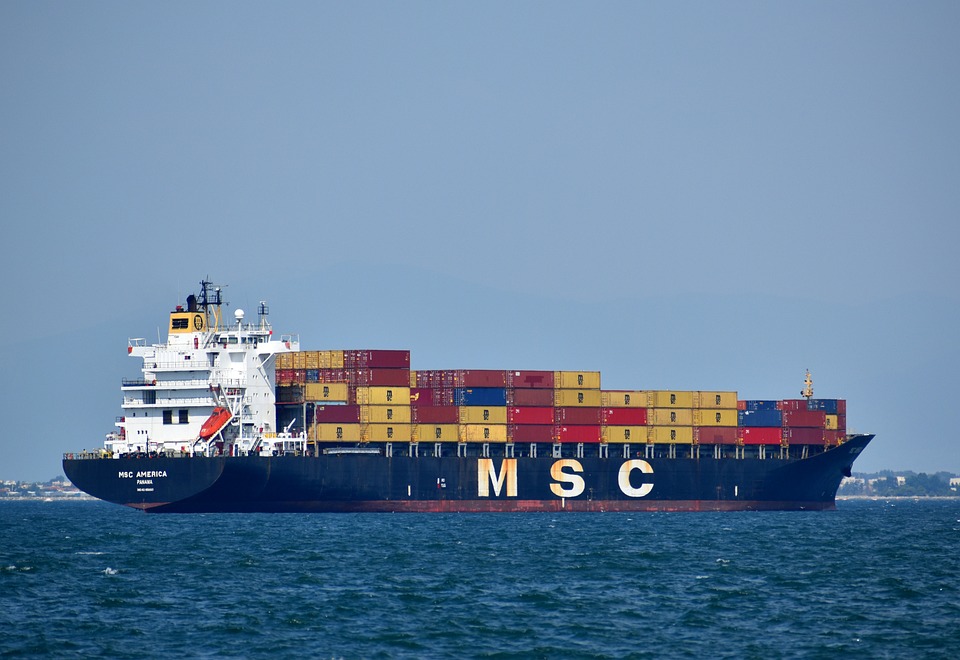
The three definitions
All-water means the container stays on the vessel to its final coastal port. From China to the U.S. East Coast that means either the Panama Canal or the Suez routing, without a rail leg.
MLB, or mini-landbridge, means the container is discharged at a West Coast port and moves by rail to a destination that would otherwise be served by an all-water service, typically an East Coast or Gulf city.
IPI, or interior point intermodal, means discharge at a West Coast port and rail movement to an inland point: Chicago, Dallas, Memphis, Atlanta, Kansas City and similar. The through bill of lading names the inland point as the destination.
The distinction between MLB and IPI is mostly about the destination type rather than the mechanics. Both use West Coast discharge and rail; MLB targets a coastal city served inland, IPI targets an interior point.
How the cost structures differ
In IPI and MLB, the inland rail is inside the through rate. You see one number from origin to the inland ramp, which makes comparison easy and obscures where the cost actually sits.
In all-water, the ocean leg ends at the port and the inland leg is yours. That means a separate drayage or trucking line, and it also means you can choose the inland carrier, which on some lanes is materially cheaper than the rail rate embedded in a through booking.
The third cost that differentiates them is port-specific: terminal handling, chassis, and the local accessorials at the discharge port. A West Coast discharge plus rail carries two sets of handling, while all-water carries one.
One line that surprises importers is the destination rail surcharge, which on some inland lanes exceeds the ocean freight itself. It sits inside the through rate and is invisible until you price the components separately.
Transit time patterns
All-water to the East Coast is the slowest ocean leg, typically several days longer than a West Coast crossing, because the vessel is travelling further. The saving is on the inland side.
IPI and MLB are faster to interior and East Coast points in many cases, because the rail leg runs while an all-water vessel would still be at sea. This is why IPI became the default for Midwest importers.
The comparison breaks down at the margins. A destination near an East Coast port is usually better served all-water. A destination 500 miles inland is usually better served IPI. A destination in the Southeast can go either way depending on the rail ramp.
When each one wins
All-water wins when the destination is close to an East or Gulf Coast port, when the cargo is heavy and the inland truck leg would be expensive, and when schedule reliability matters more than speed.
IPI wins for interior destinations with a nearby rail ramp, particularly when the volume justifies a full container, because the through rate usually beats a port-to-door combination.
MLB wins when you need East Coast delivery faster than the canal routing allows and the rail ramp at the destination is well served.
And sometimes the answer is none of them: for high-value, time-critical cargo, the West Coast discharge plus truck is the right call even at a premium, because the rail dwell at an inland ramp can add days unpredictably.
The inland point trap
The most common costing error is comparing an IPI through rate against an all-water ocean rate and concluding that IPI is expensive. The all-water number excludes the inland leg that has to be added back.
The second error is assuming the inland ramp is the destination. A rail ramp in Chicago is not a delivery in Chicago. There is a drayage move from the ramp, and on some ramps the appointment queue adds days.
The third is chassis. On IPI moves the chassis situation at the inland ramp is separate from the port, and a shortage there delays pickup in a way that does not appear in any transit time table.
Ramp dwell is the variable that most often turns a good IPI plan into a late delivery. Rail terminals operate on appointment systems and published cut-offs, and a container that misses the ramp's cut-off waits for the next train, not the next day.
A decision rule
If the final destination is within about 200 miles of a coastal port, compare all-water against West Coast plus truck, and ignore IPI unless the rate is dramatically better.
If the destination is inland and has a rail ramp within about 150 miles, price IPI and price West Coast plus rail plus drayage separately. The gap tells you what the through rate is charging for convenience.
If the destination is East Coast but far from a port with good all-water service, MLB is usually the answer. If time is the constraint rather than cost, none of the three matters as much as the sailing date.
Ramp dwell and appointment systems
An inland rail ramp is a terminal with its own cut-offs, appointment systems and free time. A container that arrives after the ramp's cut-off waits for the next train, and the next train may be three days out.
This is why published transit times for IPI moves should be read as train-to-ramp times rather than door times. The door adds a drayage move, an appointment, and occasionally a chassis problem at a location that has fewer chassis than a coastal port.
The practical mitigation is to ask for the ramp cut-off when you book, in the same way you ask for the port cut-off. It is a date the carrier knows and the importer usually does not.
The routing decision is a landed cost decision, not a freight rate decision. The number that matters is the one that gets the cargo to the door, on the day the door needs it.


