
Free Time, Demurrage and Detention: How the Clock Actually Runs at U.S. Ports
Free Time, Demurrage and Detention: How the Clock Actually Runs at U.S. Ports
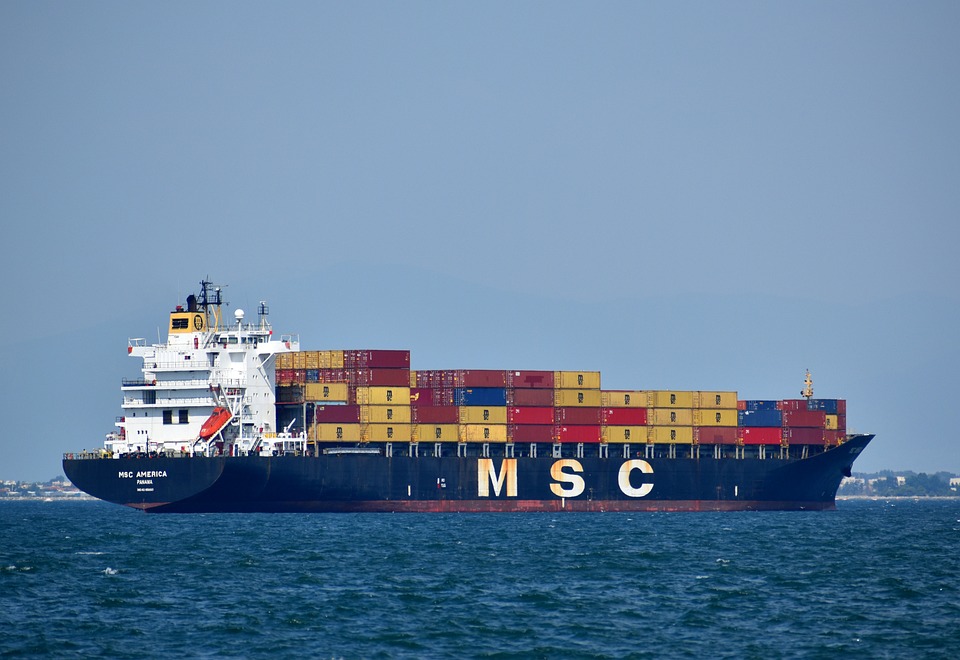
Three clocks start when your container is discharged, and none of them stop while you are waiting for a document.
Demurrage, detention and free time are often used as one idea. They are three different charges with three different triggers, and the difference decides who pays when a container sits at a U.S. port for two weeks.
The three clocks
Free time is the period you are allowed to hold the container, at the terminal and off it, before charges begin. It is granted by the carrier and, at some terminals, partly by the terminal operator.
Demurrage applies while the container is still inside the terminal, after free time expires. It is charged by the terminal or the carrier, per container, per day, usually escalating.
Detention applies once the container has left the terminal and is not returned empty within the allowed period. It is charged by the carrier, per container, per day.
The two are sequential in the usual case, but not always. A container can accrue demurrage, be picked up, and then accrue detention on the return leg, which is how a single delay produces two invoices.
Where each clock starts
Demurrage starts the day after discharge, or the day after the container becomes available, depending on the tariff. Those two dates are not the same, and the gap between them can be several days at a congested terminal.
Detention usually starts on gate-out from the terminal. On some tariffs it starts from availability rather than gate-out, which means you can be accruing detention on a container you have not yet picked up.
This is the single most expensive misunderstanding in the process. Confirm the start trigger in the tariff rather than assuming gate-out.
The practical way to resolve it is to read the tariff, not the booking confirmation. The booking confirmation usually states the free time allowance; the tariff states when the clock starts and how it escalates.
Free time varies more than importers expect
Free time is negotiated in the service contract and published in the tariff. At U.S. ports it commonly runs from a few days to about a week for import demurrage, with detention allowances set separately and often longer.
It also varies by carrier, by port, by equipment type and by whether the shipment is merchant-hauled or carrier-hauled. A 40HQ at one terminal may have a different allowance from a 20GP at the same terminal.
The practical implication is that free time is a line item to review at contract renewal, not a fixed rule of nature. Importers who ask for it explicitly usually get more of it than importers who do not.
Who is responsible under each Incoterm
Under FOB and CFR, the buyer controls destination and therefore owns the demurrage and detention exposure. Under CIF the same applies for the destination leg, even though the seller arranged the freight.
Under DDP, the seller is nominally responsible, but the cost usually returns to the buyer through the rate. The risk does not disappear; it is priced.
The exception worth naming is when a delay is caused by the customs broker or by a CBP exam. In those cases the charge may be recoverable, but only if you can produce the exam notice and a request for extension that was made at the time, not reconstructed afterwards.
How the charges escalate
Demurrage and detention are almost always tiered. The first days after free time cost one rate, the next block costs more, and the daily rate continues to climb the longer the container sits.
Escalation is designed to move cargo, not to raise revenue, which is why the first tier is often modest and the later tiers are not. A container that sits for three weeks can cost several times what it would have cost in week one.
Terminal storage is a separate line and may start earlier or later than demurrage, depending on the terminal operator's tariff. On some ports you can be inside free time for carrier purposes and already paying terminal storage.
Practical ways to stop the clock
Pre-clear the entry before arrival. The most common cause of demurrage is not a terminal problem, it is an entry that could not be filed because a document was missing.
Book the drayage before discharge, not after availability. Confirm chassis availability for the pickup date rather than assuming it.
Return the empty on the first available day, and keep the interchange receipt. Detention disputes are usually won or lost on a timestamp.
And when the delay is not yours, ask for the extension in writing on the day it happens. A request sent after the invoice arrives is a complaint. A request sent during the delay is a mitigation.
A detail that saves real money: many terminals publish their own storage tariff separately from the carrier's demurrage. The two clocks can start on different days, so a container can be inside carrier free time and already accruing terminal storage.
How to read a demurrage invoice
The invoice is usually short and the disputes are usually about dates rather than amounts. Four dates decide almost every case: discharge, availability, gate-out, and empty return.
Check them against the tariff rather than against the invoice. The invoice states the days charged; the tariff states whether the first day counts, whether weekends are included, and which calendar the terminal uses.
Where a CBP exam caused the delay, attach the exam notice and the release timestamp. Where a terminal outage caused it, ask for the terminal notice. A dispute supported by a timestamp is a different conversation from a dispute supported by an assertion.
Free time is not a grace period. It is a contractual allowance with a start trigger you should be able to state from memory, because the invoice will.


