
ISF 10+2 Filing Deadline: The 24-Hour Rule and What Late Filing Costs
ISF 10+2 Filing Deadline: The 24-Hour Rule and What Late Filing Costs
By [Author Name], Operations Manager, Waytron Logistics
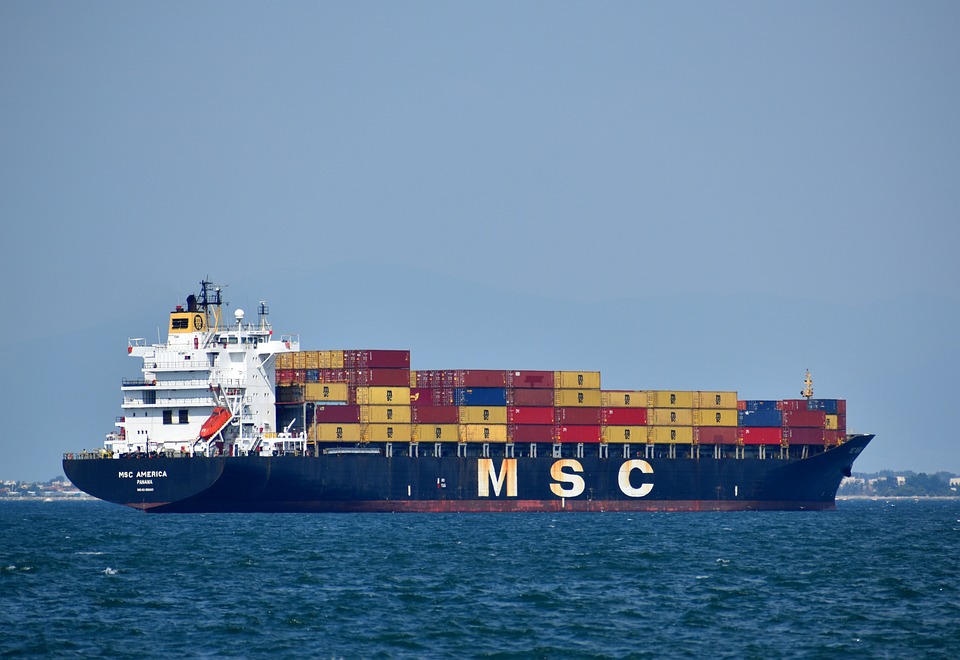
ISF has to reach CBP 24 hours before the vessel is loaded, not 24 hours before it sails, and that gap is where most late filings come from.
The rule sits at 19 CFR Part 149 and applies to cargo arriving in the United States by ocean vessel. Air, truck and rail are outside its scope. For an importer moving FCL or LCL from China, it is the first compliance clock that starts, and it starts earlier than most people expect.
What the 24-hour clock measures against
The deadline is measured against lading: the moment the container goes over the rail onto the vessel at the foreign port. Not departure. Not the port cut-off. Not the bill of lading date.
Those four moments can be two or three days apart on a busy Asia to U.S. service. A vessel that sails on the 14th may complete loading on the 12th. If your data arrives on the 12th, you are late even though the ship has not moved.
This is why the practical deadline inside a forwarder's operation is usually earlier than the legal one. Documents that arrive before the vessel departs are already late.
The ten elements, and the two that run on a different clock
The importer files ten data elements: seller, buyer, importer of record number, consignee number, manufacturer or supplier, ship-to party, country of origin, commodity HTSUS number, container stuffing location, and consolidator.
The last two run on a different clock. They are due as early as possible but no later than 24 hours before the vessel arrives at a U.S. port, not before loading. Everything else is due before loading.
Three of the ten are the ones that actually delay filings: the manufacturer name and address, the HTSUS number at six digits, and the importer of record number. All three usually sit with someone who is not in the room when the booking is confirmed.
For FROB, IE and T&E shipments the filing is five elements rather than ten. Shipments valued under $2,500 can be filed as a Type 11 informal ISF.
One detail catches new importers: the manufacturer element is not the trading company that invoiced you. It is the entity that physically produced the goods, with an address. A filing that lists a trading company as manufacturer is inaccurate even if every other element is correct.
What late or inaccurate filing actually costs
CBP may issue liquidated damages of $5,000 per violation for a filing that is inaccurate, incomplete, or untimely. Per violation matters: a single shipment with several wrong elements is not automatically one claim.
Money is not the only exposure. CBP can place a do-not-load order at origin, withhold release on arrival, refuse a permit to unlade, or select the container for a non-intrusive or intensive exam. The do-not-load order is the expensive one, because the cargo misses the vessel and the next sailing may be a week away.
There is a second cost that never appears on a claim: the examination rate attached to an importer whose filings are consistently thin.
The exam rate point is worth stating plainly. CBP does not publish an exam score for a company, but exam selection is driven by data patterns, and a filer whose entries are consistently thin generates a different pattern from one whose entries are consistent.
Why filing on time is not a defence
The rule covers accuracy as well as timing. Filing at hour 30 with placeholder values, an estimated HTSUS code, a trading company listed as manufacturer, a consignee number copied from a previous shipment, is a violation rather than a shortcut.
The most common error is not a late filing. It is a filing built from an unconfirmed commercial invoice, because the supplier had not finalised the goods description at the time of booking.
Building the timeline backwards from lading
Work backwards from the lading date. At lading minus zero the vessel is loaded. At minus 24 hours the ISF must be on file. At minus 48 hours all ten elements should be confirmed and checked.
At minus 72 hours the booking should be confirmed, with manufacturer and HTSUS confirmed against the supplier. At minus five days the importer of record number, the bond and the consignee data should be settled.
If your process starts when the invoice arrives, you are starting at the third step at best.
Amendments when data changes
When data changes after filing, whether a revised HTSUS code, a corrected manufacturer or a split shipment, the filing has to be amended. Amendments are not a penalty event in themselves. Leaving stale data on file is.
The practical rule: any change that alters one of the ten elements triggers an amendment before lading. If the cargo is already loaded, amend immediately and keep the correspondence.
What the broker needs from you, and when
The filing is done by a licensed customs broker or through software connected to CBP's systems. That means the broker is the party who discovers the problem, usually at the worst possible moment.
A workable handover looks like this. At booking confirmation, the broker receives the importer of record number, the consignee, the ship-to party and the country of origin. At three days before lading, the manufacturer name and address, the HTSUS number at six digits, and the seller and buyer.
Most delays come from treating that handover as one email at the end rather than two messages spread across the week. A broker who has eight of ten elements on Monday can chase the last two. A broker who has all ten on the day of lading can only file and hope.
ISF is a data deadline dressed as a security rule. The filings that fail are almost never the ones where nobody knew the rule. They are the ones where three people each assumed someone else had sent the HTSUS code.


