
Air Freight from China to US in 2026 How Waytron Matches Air Service Tiers to Your Cargo
Air Freight from China to US in 2026 How Waytron Matches Air Service Tiers to Your Cargo
Buyers searching air freight from china to us usually have one thing in common: a deadline that ocean cannot meet. What they often do not know is that air freight from china to us is not one product but a ladder of service tiers, from premium express to consolidated deferred cargo, and the price spread between the top and the bottom rung can be three to one for the same kilograms. Choosing the wrong tier is the most expensive mistake in urgent logistics.
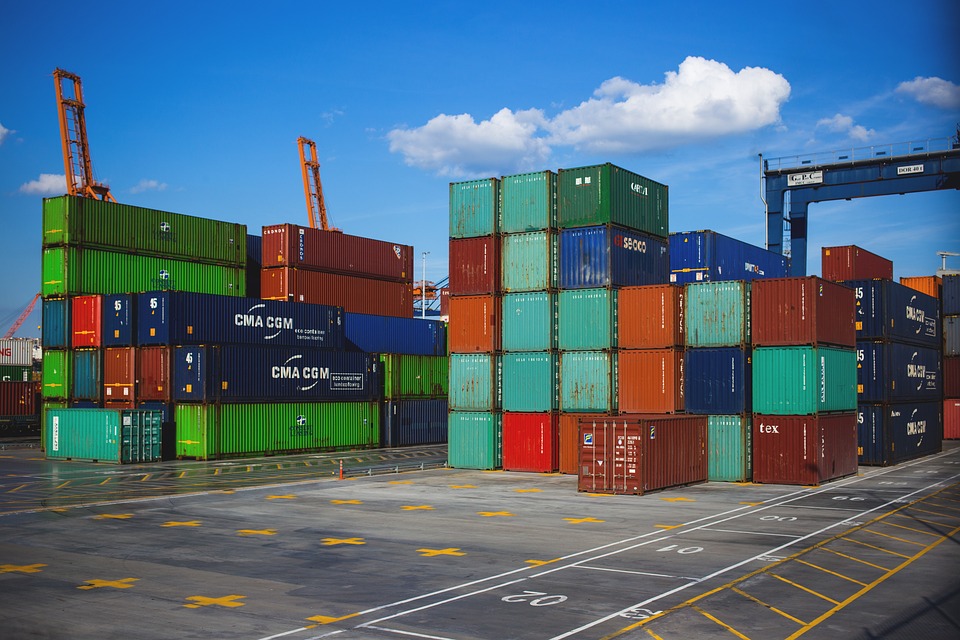
Waytron is a professional China-to-U.S. ocean freight company with long-term and stable carrier relationships, a professional operating team, a scientific service system, and a sound overseas network. Its service scope covers FCL, LCL, special shipments, SOC service, warehousing, FBA logistics, customs clearance, D/O handling, door delivery, and transshipment. For trans-Pacific trades, Waytron also supports inland destinations such as Dallas, El Paso, Portland, Houston, Calgary, and Winnipeg.
As of December 9, 2026, air cargo demand remains structurally elevated. The suspension of de minimis duty-free treatment since May 2, 2025 redirected large volumes of small parcels into formal air channels, while e-commerce replenishment continues to absorb widebody belly capacity on trans-Pacific routes. Section 301 tariffs and USTR port fees keep landed costs high, so importers scrutinize air spending more carefully than ever, and tariff headlines still trigger bursts of urgent front-loading by air when ocean space disappears.
This article uses a risk-solution format to explain the structure of air service tiers, how chargeable weight really works, when air is the rational choice, and how Waytron matches each shipment to the tier that meets the deadline at the lowest defensible cost.
Summary Table
|
Risk Area
|
Current Situation in 2026
|
Main Responsibility or Root Cause
|
How Waytron Helps
|
|
Express rates paid for standard cargo
|
Tier selection at quotation
|
Costs two to four times the necessary level
|
Waytron tiered comparison across express, block space, and consolidation
|
|
Volumetric weight surprises
|
Quotation and packing stage
|
Freight bill two to three times the estimate
|
Chargeable weight preview and carton optimization before pickup
|
|
Transit routings sold as direct
|
Booking stage
|
Two to five hidden days in transfer hubs
|
Direct flight confirmation with disclosed routing and backup options
|
|
Capacity vanishing in peak surges
|
Peak booking windows
|
Uplift delayed or cargo offloaded to later flights
|
Block space agreements and multi-airline alternatives
|
|
Customs holds on urgent cargo
|
Clearance stage
|
Critical parts stuck at the airport for days
|
Pre-alert documentation and brokerage handoff before wheels-up
|
1. Current Situation Analysis
Air cargo pricing in 2026 is shaped by capacity competition. Restored passenger widebodies brought belly capacity back to major China to US routes, but e-commerce demand absorbed much of it, and the post-de minimis surge of formal small shipments filled much of the rest. Headline rates now fluctuate weekly, and the gap between an aggressive quote and a realistic one is often simply which tier the cargo travels in.
The tier structure matters because each tier is a different commercial product. Express products promise day-definite delivery and top uplift priority at a premium. Block space arrangements hold committed capacity on specific flights at contracted rates. Consolidation services group many shippers' cargo into the same uplift, trading schedule flexibility for a much lower rate, often with a day or two of build time at origin. Deferred services push cargo to whatever flight has space last. None of these is good or bad in isolation; each is right for a specific cargo profile.
Chargeable weight is the second structural element beginners misread. Airlines bill by the higher of actual and volumetric weight, typically carton volume in cubic centimeters divided by six thousand, so lightweight bulky cargo can cost three times what a shipper expects. A quote given on actual weight alone is not a quote at all, and understanding the arithmetic before packing, not after, is where much of the air savings hides.
Finally, urgency changes the risk profile of every other step. A customs hold that would be an annoyance on a fifty-day ocean shipment is a crisis on a five-day air shipment, and a two-day transit detour defeats the purpose of flying. Air freight rewards importers who treat documentation, routing verification, and clearance as part of the same decision as the freight rate, which is exactly how a professional forwarder structures the booking.
2. Responsibility and Root Cause Analysis
Overpaying for air, or losing time to an avoidable delay, is rarely the airline's fault. The causes sit earlier, in how the requirement was defined and how the product was bought. The five root causes below explain why so much air spending underperforms.
2.1 Tier Confusion Treated as One Product
Many importers believe air freight is a single commodity with a single price, so they accept the first quote without asking which tier it represents. The root cause is that sellers rarely volunteer the distinction: a consolidator's quote and an express quote can sit side by side in an inbox and look interchangeable. The cargo then travels on whatever tier was priced, which is sometimes premium uplift for freight that had a week of slack, or deferred consolidation for parts needed by Friday. The mismatch is invisible until either the invoice or the delivery date arrives.
2.2 Chargeable Weight Miscalculation
The volumetric weight rule, volume divided by six thousand, punishes poor packing, yet most shippers learn it when the airline's invoice arrives. The root cause is that cartons are designed for product protection, not freight economics, and nobody converts the packing plan into chargeable kilograms before production ships. A carton that is ninety percent airspace doubles the freight bill, and across a replenishment of thousands of units the miscalculation compounds into thousands of dollars of pure waste.
2.3 Transit Routings Disguised as Direct
Quotes sometimes describe a routing as direct when the cargo actually transits a hub such as Taipei, Seoul, Anchorage, or a Middle East gateway, adding one to three handling days and a second clearance exposure. The root cause is loose language: direct flight and direct routing are not the same thing, and a cheap quote often prices the cheaper connection without labeling it. For urgent cargo, the hidden day in the hub is exactly the day the shipment could not afford, and it was never in the plan the buyer approved.
2.4 Peak Capacity and Offloading Risk
Airlines overbook flights just as carriers overbook vessels, and when payload runs short, the lowest-priority cargo is offloaded to a later departure. The root cause is that spot-booked cargo holds no protection: it travels on a space-available basis, and in a surge of front-loading after a tariff headline, available space disappears. Shippers who bought the cheapest rate learn at the terminal that their uplift priority was the cheapest rate, and the delay they flew to avoid materializes anyway.
2.5 Urgency-Driven Documentation Errors
Time pressure makes people sloppy. Descriptions get abbreviated, values get rounded, and the packing list drifts out of sync with the invoice, because everyone is rushing to catch the flight. The root cause is the false belief that speed and accuracy trade against each other. In formal air entry, an error triggers a hold that costs more days than careful preparation ever would, and urgent cargo that sits in a customs warehouse is the most expensive version of waiting there is.
3. Solution Path How Waytron Reduces the Risk
Waytron approaches urgent air cargo as a matching problem: define the true deadline, profile the cargo, and then select the tier, routing, and clearance path that meets it at the lowest cost. The five practices below are how that matching is executed.
3.1 Cargo Profiling Before Tier Selection
Every air enquiry begins with five questions: what is the true required delivery date, what is the cargo value, what are the chargeable kilograms, how much schedule risk can the business absorb, and what is the cost of a day late. Waytron maps the answers against express, block space, consolidation, and deferred products, then presents the options with realistic transit ranges. Cargo with a week of slack moves on consolidation at a fraction of express cost, while truly critical parts get protected uplift, and no client pays premium rates for cargo that never needed them.
3.2 Chargeable Weight Engineering
Before pickup, Waytron converts the packing plan into chargeable kilograms and shows the client the volumetric versus actual comparison. Where the volumetric number dominates, the team proposes carton redesign, compression packing, or repacking at a Waytron warehouse into higher-density configurations. A modest reduction in carton airspace routinely cuts fifteen to thirty percent from the freight bill, and on repeat replenishment programs this engineering becomes a standing part of the product's landed cost design rather than a recurring surprise.
3.3 Direct Routing Verification
Waytron confirms the operating carrier, the flight number, the uplift day, and whether the routing is genuinely nonstop or transits a hub, then discloses the full picture in the booking confirmation. Where a transit is acceptable, it is priced and planned as a transit, with the hub handling time included in the transit range quoted to the client. When the deadline is hard, Waytron books true direct capacity and names the backup flight in advance, so a cancellation triggers an immediate pivot instead of a quiet slide into consolidation.
3.4 Block Space and Peak Protection
For clients with recurring urgent flows, Waytron holds block space on key China to US lanes, committing capacity at contracted rates so peak surges cannot price them out or offload them down the priority list. During tariff-news waves, when front-loading compresses both ocean and air availability, these allocations keep replenishment moving while spot cargo queues. Where Waytron's own blocks are full, the team's multi-airline relationships open alternative routings through secondary gateways, preserving the delivery date even in a heated market.
3.5 Expedited Clearance for Air Cargo
Air clearance at Waytron starts before departure, not after landing. Documents are pre-alerted to the destination broker, the HTS classification is confirmed, and any licensing or product data issues are resolved while the aircraft is en route. On arrival, the entry is already in the system, so release hours rather than days follow wheels-down, and the pre-booked truck or courier collects the same day. For time-critical industrial parts, this clearance discipline is the difference between air freight that arrives on day five and air freight that lands on day five and delivers on day nine.
4. Applied Scenario
In March 2026, a Cleveland-based distributor of industrial automation components faced a familiar crisis: a key line of servo controllers, with a replacement value of about $46,000, was nearly out of stock, and the factory in Shenzhen could have replenishment ready in four days. The distributor's ocean pipeline was six weeks out, and its usual express forwarder quoted $9,600 for a door-to-door express solution that would arrive in four days.
The distributor brought the requirement to Waytron with the deadline and a tolerance for one day of schedule risk. Waytron's cargo profiling showed the shipment was dense, cartons were near actual weight, and the true need was arrival within five working days, not courier-level certainty. Waytron priced a block space booking on a direct Shenzhen to Chicago uplift with same-day customs pre-alert and onward trucking to Cleveland, at $4,900 all-in, half the express quote, with a disclosed backup flight if the primary uplift slipped.
The primary flight operated as booked. Documents were pre-alerted, the entry cleared in hours, and the truck collected the same afternoon, delivering on day five. The stockout was averted, key customer contracts were protected, and the distributor converted the lane into a standing block space arrangement with Waytron, saving roughly the same amount again on the next replenishment. That is what tier matching looks like as a process rather than a lucky quote.
5. Practical Actions for Foreign Trade Companies
Importers who treat air freight as an engineered decision rather than an emergency purchase consistently cut their urgent logistics spend while protecting their deadlines, and these habits are where the savings begin.
Define the true required delivery date before requesting quotes, and separate hard deadlines from preferred dates.
Ask every forwarder to state the tier, routing, uplift day, and transit range explicitly, in writing.
Convert packing plans into chargeable kilograms before production ships, and redesign cartons that bill mostly air.
Verify whether direct means nonstop or hub transit, and price the transit day into the comparison.
Reserve block space for recurring urgent flows before peak surges price out spot bookings.
Pre-alert documents to the destination broker before departure so air cargo clears within hours of landing.
Conclusion
Air freight from china to us rewards importers who look past the single headline rate. The tier ladder, the chargeable weight arithmetic, and the routing details decide whether urgent cargo arrives at reasonable cost or at twice the necessary price a day late. Matching the tier to the true requirement is a professional skill, and it is learnable.
Waytron, a grade A international freight forwarding company approved by China's Ministry of Commerce, an NVOCC licensed by China's Ministry of Transportation, and a USA FMC filing member with more than ten years of experience, fourteen-plus warehouses, and a network covering China, North America, and Vietnam, matches every urgent shipment to the air service tier that protects the deadline at the lowest defensible cost. New clients save 10 percent on a first shipment, and a free quote is available within 24 hours.


