
How to Ship from China to USA in 2026 How Waytron Guides Your First Import End to End
How to Ship from China to USA in 2026 How Waytron Guides Your First Import End to End
Learning how to ship from china to usa looks simple from the outside: find a factory, pay an invoice, and wait for a container. In practice, the first import is a chain of six decisions, and most first-time importers learn how to ship from china to usa by discovering which decision they got wrong only after money and time are already lost. This guide walks through the full sequence, from choosing a transport mode to accepting delivery at your door, in the order a real shipment actually moves.
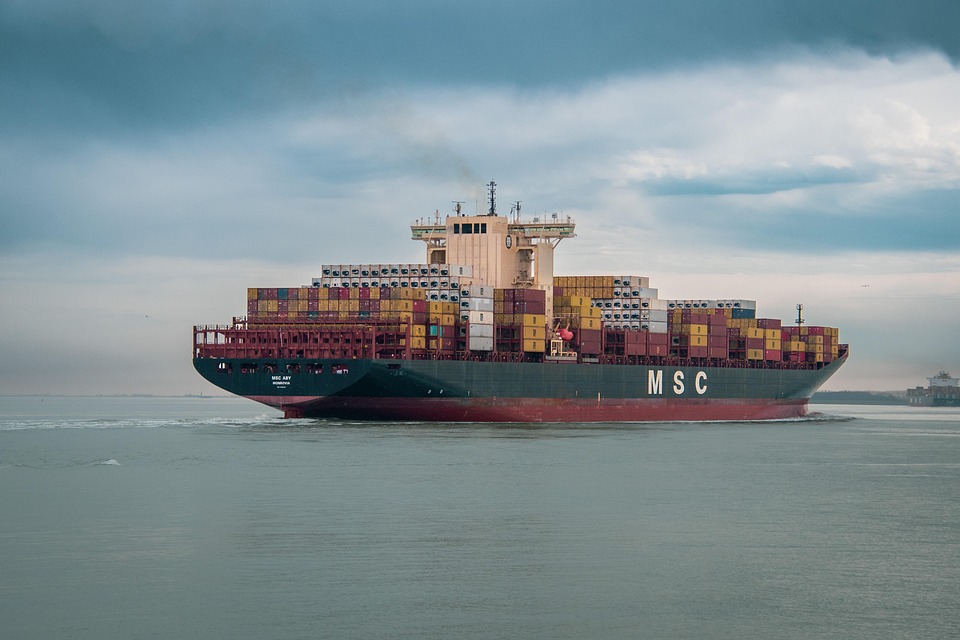
Waytron is a professional China-to-U.S. ocean freight company with long-term and stable carrier relationships, a professional operating team, a scientific service system, and a sound overseas network. Its service scope covers FCL, LCL, special shipments, SOC service, warehousing, FBA logistics, customs clearance, D/O handling, door delivery, and transshipment. For trans-Pacific trades, Waytron also supports inland destinations such as Dallas, El Paso, Portland, Houston, Calgary, and Winnipeg.
As of December 8, 2026, the compliance bar for first-time importers is higher than it has ever been. The suspension of de minimis duty-free treatment since May 2, 2025 means small shipments now flow through formal entry processes, Section 301 tariffs remain part of the cost calculation, and USTR port fees on China-linked vessels continue to shape freight levels. Red Sea diversions keep capacity tight, tariff headlines trigger booking surges, and customs scrutiny of parcel traffic has pushed more small importers into ocean and formal air channels where documentation quality decides how fast cargo moves.
This article uses a risk-solution format to explain the six steps of a first import, where first-time importers most often fail, and how Waytron carries a new importer through each decision with professional operations instead of trial and error.
Summary Table
|
Risk Area
|
Current Situation in 2026
|
Main Responsibility or Root Cause
|
How Waytron Helps
|
|
Mode selection errors
|
Step 1, before any booking
|
Air budget spent on resilient cargo or ocean deadlines missed
|
Waytron side-by-side ocean and air comparison based on cargo value, weight, and deadline
|
|
Incomplete or inconsistent documents
|
Steps 2 and 3, quotation and booking
|
Booking delays, re-submission loops, customs holds
|
Waytron document checklist review covering invoice, packing list, and product data
|
|
Late booking in tight markets
|
Step 4, space confirmation
|
Rolled cargo and missed receiving windows
|
Allocations with ONE, COSCO, CMA CGM, and MSC across five China ports
|
|
Customs entry mistakes
|
Step 5, clearance
|
Holds, exams, storage and demurrage charges
|
In-house brokerage with HTS pre-classification and entry audit
|
|
Uncoordinated final delivery
|
Step 6, destination handling
|
Containers stranded at port and missed appointments
|
Pre-arranged D/O, drayage, rail, and door delivery scheduling
|
1. Current Situation Analysis
First-time importers rarely fail because the ocean is unpredictable; they fail because the process has more steps than they planned for. Industry surveys of small importers consistently show that the majority of first shipments experience at least one preventable delay, and the most common causes are documentation errors, late bookings, and mode choices made on price alone. None of these require bad luck, only a process that was never mapped before the purchase order was signed.
The cost structure of a first import also surprises newcomers. Ocean freight is often the smallest line item once duties, insurance, inland transport, terminal charges, and customs fees are added, so saving two hundred dollars on the booking can quietly cost two thousand at destination. With MPF and HMF applying to formal entries and Section 301 duties in force, first-shipment landed cost routinely runs twenty to forty percent above the factory invoice, and importers who never modeled it discover that at the worst moment.
The compliance environment has tightened in a way that hits beginners. When de minimis duty-free treatment was suspended in May 2025, the informal channel that let small test orders slide through with minimal paperwork effectively closed. First shipments now enter a formal system where the importer of record answers for correct valuation, classification, and product data, while USTR port fees on China-linked vessels and persistent Red Sea diversions add cost and schedule noise. A beginner's plan must assume friction, not smooth flow.
Finally, the timing environment punishes improvisation. Every tariff headline in 2025 triggered a wave of front-loading that tightened space within weeks, and 2026 patterns suggest the same reflex will repeat. A first-time importer who books when the goods are ready, rather than when the sailing is available, enters the market at exactly the moment when space is scarcest and rollovers most likely.
2. Responsibility and Root Cause Analysis
A first import involves the factory, the forwarder, the carrier, customs, and the consignee, and beginners often assume someone else is connecting the dots. Usually nobody is. Understanding where responsibility actually sits explains why each of the five failure points below keeps catching newcomers.
2.1 Mode Selection by Habit Instead of Analysis
Many first-time importers choose ocean because a mentor said ocean is cheap, or air because a deadline feels scary, without modeling cargo value, volume, margin, and perishability of the schedule. The root cause is that mode selection is treated as a preference rather than a calculation. Resilient, low-value cargo that misses a marketing date can destroy more margin than air freight would have cost, while high-value electronics moving by slow ocean can tie up cash for months. Without a side-by-side comparison, the beginner picks the mode that feels right and absorbs the cost of the wrong answer later.
2.2 Documents Treated as an Afterthought
The commercial invoice, packing list, and product specifications look like administrative paperwork, so beginners complete them quickly and late. The root cause is a misunderstanding of what these documents do: they are the data layer that customs, carriers, and insurers all consume. Inconsistent descriptions between invoice and packing list, vague product names, or values that do not match payment records invite questions. Since formal entry is now the default path, document quality is checked every time, and errors surface as holds rather than as polite requests.
2.3 Booking Regarded as a Simple Purchase
First-time importers often treat booking space like buying a ticket: the goods are ready, so buy the next sailing. The root cause is ignorance of how carriers manage capacity. Vessels are overbooked by design, allocations are tiered, and in a front-loading surge the cheapest late booking is the first container rolled. A beginner without carrier relationships has no allocation to protect them and no alternative string to pivot to, so the shipment absorbs the full variance of the market.
2.4 Customs Compliance Underestimated After De Minimis
For years, small importers could test the market through channels that required minimal formal knowledge. The suspension of de minimis ended that comfort, and the root cause of many first-import failures is that the beginner's mental model is out of date. They do not know they are the importer of record, they have not classified their goods under the HTS, and they have not budgeted for MPF, HMF, or Section 301 duties. When customs asks questions, there is no established process to answer, and the learning happens under deadline pressure with storage fees accumulating.
2.5 Delivery Assumed to Be the Carrier's Problem
Beginners often think the carrier delivers to their address because the phrase door to door appears in marketing copy. The root cause is that destination handling is invisible from China: discharge, terminal handling, customs release, delivery order, drayage, and inland transport are separate steps with separate parties. Without a forwarder coordinating them, the container arrives, nobody has booked a truck, and each idle day generates demurrage. The cargo is in America but not in hand, which is the most expensive version of almost arriving.
3. Solution Path How Waytron Reduces the Risk
Waytron turns the first import into a guided process with six explicit steps, each with a defined owner, a defined output, and professional execution behind it. The sequence below is how a beginner moves from purchase order to delivered cargo without learning by failure.
3.1 Step One Structured Mode and Route Selection
Every first import begins with a comparison, not a habit. Waytron collects the cargo's volume, weight, value, fragility, and deadline, then presents ocean FCL, ocean LCL, and air options side by side with landed-cost estimates and transit ranges. For inland destinations such as Dallas, Portland, or Calgary, the comparison includes the full door-to-door picture rather than port-to-port pricing. The importer chooses with numbers in hand, and the mode becomes a deliberate decision that the rest of the plan is built around.
3.2 Step Two Document Kit and Compliance Preparation
Waytron issues a document checklist matched to the product category and walks the importer through the commercial invoice, packing list, and any certificates the goods require. Product descriptions are normalized, values are reconciled with payment records, and HTS classifications are drafted by the brokerage team before booking. By the time space is confirmed, the paperwork is already customs-grade, which removes the re-submission loops and data questions that stall first shipments and create holds at destination.
3.3 Step Three Transparent Quotation Within 24 Hours
Within 24 hours of receiving the shipment details, Waytron returns a written quotation that separates ocean freight, surcharges, destination charges, duties estimate, and inland delivery, so the importer sees the true landed cost before committing. Nothing material is hidden in a lump sum. This matters for first-time importers because the quote becomes the budgeting tool for the entire venture, and a surprise two thousand dollars at destination is the difference between a viable product line and a loss that could have been seen in advance.
3.4 Step Four Booking With Carrier Options
Waytron confirms space through its allocations with ONE, COSCO, CMA CGM, and MSC, sailing from Shenzhen Yantian, Xiamen, Ningbo, Shanghai, or Qingdao, whichever best fits the factory location and deadline. Because Waytron holds multiple carrier options, a rolled booking can pivot to a partner string instead of waiting a week. For cargo that is not container-worthy, LCL and consolidation through Waytron's fourteen-plus warehouses keep the origin handling efficient, and SOC service is proposed when equipment is short.
3.5 Steps Five and Six Clearance and Door Delivery
While the vessel is at sea, Waytron's brokerage pre-files the entry, pays attention to MPF, HMF, and duty computation, and resolves data issues before arrival. At destination, the delivery order is arranged in advance, drayage or rail is booked against the vessel schedule, and delivery appointments are set for the consignee's receiving hours. The importer tracks milestones through one operating team instead of chasing five parties, and the first container arrives the way the plan said it would, which is how confidence gets built.
4. Applied Scenario
In early 2026, the owner of a small Austin home goods brand signed her first factory contract for a container of ceramic tableware and kitchen textiles from Guangdong. Her freight knowledge came from forum posts, and her plan was to accept the factory's recommended forwarder, ship LCL to the nearest port, and figure out the rest on arrival, with no duty model and no delivery booking.
She engaged Waytron after the factory quoted a freight figure that seemed too complete to be true. Waytron ran the six-step process: a mode comparison showed a 20-foot FCL cheaper than LCL at her volume; document review caught inconsistent product descriptions between invoice and packing list; the 24-hour quotation separated a $4,850 logistics cost from an estimated duty line so she could price retail margin correctly; and the booking used a guaranteed allocation from Yantian to Los Angeles with rail to Texas pre-arranged.
The shipment cleared in three days and reached her Austin 3PL eleven days after vessel arrival, the final invoice matching the quotation within a small fuel adjustment. Her landed cost model held, the line launched profitably, and her second order moved through the same six steps in a fraction of the time. The first import taught her a repeatable process, not expensive lessons.
5. Practical Actions for Foreign Trade Companies
The following practices convert a first shipment from a gamble into a controlled project, and each habit compounds into faster, cheaper later imports.
Model landed cost, including duties, MPF, HMF, and inland delivery, before signing the purchase order, not after.
Compare ocean FCL, ocean LCL, and air with real numbers when cargo value, weight, and deadline are known.
Prepare commercial invoices and packing lists to customs-grade standard, with descriptions reconciled across all documents.
Book space weeks ahead in tariff-news periods, when front-loading compresses carrier availability.
Choose a forwarder with in-house brokerage and multiple carrier allocations rather than the cheapest single booking.
Arrange delivery order, drayage, and appointments before the vessel arrives so the container never waits at the terminal.
Conclusion
Knowing how to ship from china to usa is not a single trick but a sequenced discipline: choose the mode with numbers, prepare documents like they will be audited, quote fully, book with options, clear proactively, and deliver by appointment. First-time importers who follow the six steps stop paying tuition to the supply chain.
Waytron, a grade A international freight forwarding company approved by China's Ministry of Commerce, an NVOCC licensed by China's Ministry of Transportation, and a USA FMC filing member with more than ten years of experience, fourteen-plus warehouses, and a network covering China, North America, and Vietnam, guides first-time importers through every step from mode selection to door delivery. New clients save 10 percent on a first shipment, and a free quote is available within 24 hours.


