
Shipping to Amazon FBA from China in 2026 How Waytron Keeps Inbound Compliant and On Schedule
Shipping to Amazon FBA from China in 2026 and How Waytron Keeps Inbound Compliant and On Schedule
Shipping to amazon fba from china looks deceptively simple on the surface: label the boxes, book a carrier, and let Amazon's network do the rest. In practice, FBA inbound is one of the most compliance-dense logistics programs an importer can join. Carton rules, labeling standards, appointment windows, and documentation accuracy must all align before a single unit reaches a fulfillment center shelf, and a single mismatch can turn a planned replenishment into a rejection, a rework bill, and a stockout during the exact selling window the inventory was meant to protect.
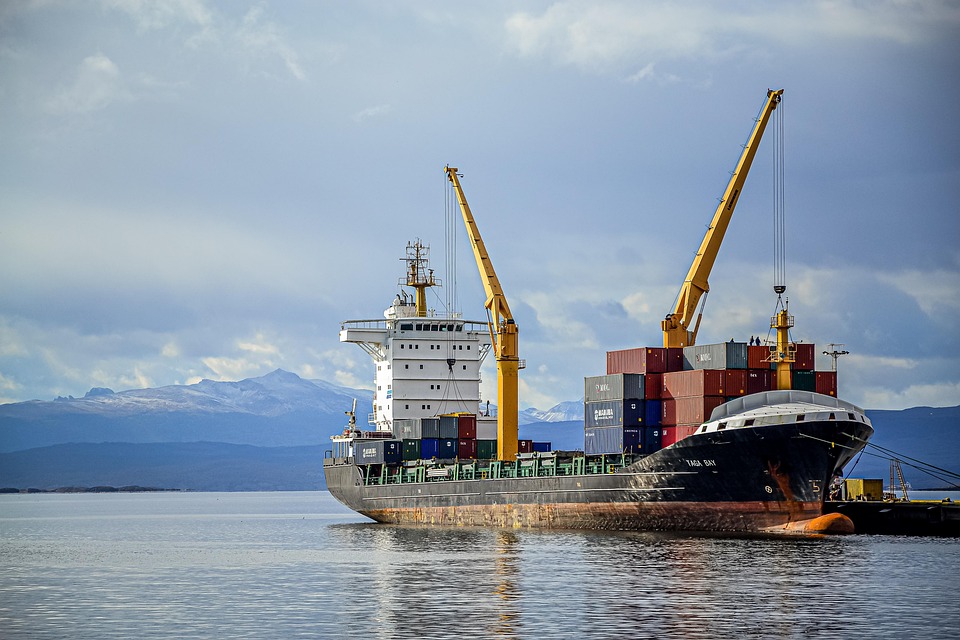
Waytron is a professional China-to-U.S. ocean freight company with long-term and stable carrier relationships, a professional operating team, a scientific service system, and a sound overseas network. Its service scope covers FCL, LCL, special shipments, SOC service, warehousing, FBA logistics, customs clearance, D/O handling, door delivery, and transshipment. For trans-Pacific trades, Waytron also supports inland destinations such as Dallas, El Paso, Portland, Houston, Calgary, and Winnipeg.
As of December 6, 2026, FBA inbound pressure is shaped by a strained trade environment. The de minimis suspension since May 2, 2025 has pushed many sellers away from direct small-parcel shipping toward bulk FBA replenishment, filling fulfillment centers with commercial freight. Section 301 tariffs remain in force, USTR port fees have raised import cost baselines, and Red Sea diversions plus tariff-driven front-loading keep ocean schedules tight. Appointment slots at busy fulfillment centers are scarcer, and receiving standards are enforced with less tolerance for sloppy paperwork.
This article uses a risk-solution format to explain where FBA inbound compliance actually breaks down, why rejections and delays happen in 2026, and how Waytron keeps replenishment programs compliant, scheduled, and stocked through peak periods.
Summary Table
|
Risk Area
|
Current Situation in 2026
|
Main Responsibility or Root Cause
|
How Waytron Helps
|
|
FNSKU labeling
|
Scannable FNSKU barcode on every unit
|
Supplier prints ASIN or manufacturer code instead
|
Pre-shipment label audit at origin warehouse
|
|
Carton specifications
|
Weight and dimension limits per fulfillment center
|
Overweight cartons from factory bulk packing
|
Re-packing line before export booking
|
|
Pallet and loading
|
Pallet build or floor load per FC rules
|
Unstable pallets exceeding height limits
|
Photo-verified pallet construction standards
|
|
Delivery appointment
|
Carrier booking inside an FC window
|
Missing windows and idle truck charges
|
Appointment-managed scheduling with buffer days
|
|
Inbound documentation
|
Packing data matching the shipment plan
|
Quantity mismatches against the inbound plan
|
System-level data reconciliation before sailing
|
1. Current Situation Analysis
Amazon's fulfillment network receives millions of cartons weekly, and its defense against that volume is rigid standardization. Every unit must carry a scannable FNSKU label tied to the seller's account. Every carton must respect weight and dimension limits that vary by fulfillment center. Pallets, where used, must be built to specification, and every delivery must arrive inside a booked appointment window with documentation that matches the inbound plan to the unit. These rules are not suggestions, and receiving teams enforce them at the dock door rather than by negotiation afterward.
The first real checkpoint is the label. Suppliers in China often print whatever barcode is convenient, an ASIN, a manufacturer code, or an old FNSKU, and a carton of mislabeled units arrives in the United States perfectly intact and completely unprocessable. Because the error is invisible until the dock scan, it travels the entire ocean, clears customs, and consumes an appointment slot before anyone discovers it. Sellers who treat labeling as a factory detail rather than a compliance checkpoint discover, as the scenario below shows, that an invisible upstream error becomes a very visible invoice at the dock.
The second checkpoint is the appointment system itself. Fulfillment centers allocate delivery windows by capacity, and in 2026 those windows are tighter because more commercial freight is arriving as bulk replenishment rather than as scattered direct-to-consumer parcels. A missed window strands a truck, triggers idle fees, and pushes the delivery days into the future, while an inbound plan that does not match physical quantities creates reconciliation holds that stall receiving even after the truck is accepted.
The third pressure is timing. With Section 301 duties embedded in landed cost and carriers rolling cargo during tariff-driven front-loading waves, replenishment programs must plan around both ocean reliability and Amazon's receiving calendar. A container that sails late and then misses its appointment can arrive at the fulfillment center after the sales event it was stocked for, converting logistics friction into measurable revenue loss. In this environment, a replenishment plan that treats compliance and timing as separate workstreams usually fails on both at once.
2. Responsibility and Root Cause Analysis
Five root causes explain most FBA inbound failures for China-originated shipments, and nearly all of them are preventable upstream.
2.1 Label Errors at the Source
The majority of rejection cases begin at the factory. Suppliers apply ASIN labels, reuse old FNSKU codes, or print barcodes that scan poorly after shrink-wrapping, and nobody audits the output against the seller's active listing data. Responsibility is shared between the seller, who owns the listing data, and the supplier, who executes the labeling, but the failure only becomes visible in the United States, where fixing it costs ten times more than preventing it.
2.2 Carton and Pallet Non-Compliance
Factories optimize for container density, not Amazon receiving standards. Overweight cartons, irregular dimensions, and unstable pallet builds violate fulfillment center rules and create safety problems at the dock. Sellers who do not specify carton constraints in their purchase orders discover the violation at delivery, when the only remedies are refusal, repacking at the dock, or return to a third-party warehouse.
2.3 Inbound Plan Mismatches
Amazon's inbound plan records what the seller promised to send. When physical quantities, SKUs, or carton counts diverge from that plan, the receiving system flags the discrepancy and holds the shipment for reconciliation. These mismatches usually originate in last-minute quantity changes between seller and factory that never update the plan, and they turn a routine delivery into a multi-day exception.
2.4 Appointment Window Misses
Carrier delays, rolled sailings, and poor buffer planning cause trucks to arrive outside their booked windows. With capacity scarce in 2026, fulfillment centers show little flexibility, and a missed window means rebooking days later plus idle and detention charges. The root cause is rarely the final truck; it is an ocean schedule treated as certain when the market has made it probabilistic.
2.5 Wrong Hub Strategy
Some shipments should go directly from port to a fulfillment center, while others benefit from a third-party warehouse stop for inspection, relabeling, or stock leveling. Sellers who default to one strategy for every shipment either pay unnecessary handling or miss the correction opportunity that a transit warehouse provides. Choosing the wrong hub strategy converts fixable problems into rejections and unfixed problems into stockouts.
3. Solution Path How Waytron Reduces the Risk
Waytron runs FBA inbound as a controlled program with five layers of protection applied before the container closes.
3.1 Origin Label Audits
Waytron's origin warehouses verify FNSKU labels against live listing data before export, scanning samples from every production batch and rejecting mislabeled cartons while correction is still cheap. This single checkpoint removes the most common and most expensive failure mode in FBA logistics, and it costs a fraction of dock-side rework in the United States.
3.2 Re-Packing and Carton Compliance
Where factory packing violates carton or pallet rules, Waytron re-packs or re-pallets to Amazon specification at origin, with photos confirming compliance before booking. Sellers receive visual proof that their goods meet receiving standards, and overweight or unstable configurations are corrected at the cheapest possible point in the chain.
3.3 Appointment-Managed Delivery
Waytron schedules carrier appointments inside confirmed fulfillment center windows and builds buffer days between estimated arrival and the booked slot. If ocean schedules slip, the appointment is rebooked proactively rather than discovered at the gate, protecting sellers from idle fees and missed windows during the congested 2026 receiving calendar.
3.4 Third-Party Warehouse Transload Options
With fourteen-plus warehouses across China, North America, and Vietnam, Waytron offers transload routing where containers discharge at a partner warehouse for inspection, relabeling, or redistribution to multiple fulfillment centers. This flexibility catches upstream errors before Amazon sees them and lets sellers split inventory across regions without factory-level repacking.
3.5 Inbound Data Reconciliation
Waytron reconciles packing lists, carton counts, and SKU quantities against the seller's Amazon inbound plan before sailing, and flags discrepancies for correction while the goods are still overseas. Matching data at the plan level prevents receiving holds, speeds check-in, and keeps sellable inventory from sitting in reconciliation limbo during peak weeks.
4. Applied Scenario
In August 2026, a kitchenware brand shipped 2,100 cartons of a new utensil line, inventory valued at $32,000, from Xiamen to an Amazon fulfillment center in the Midwest. The supplier had labeled every unit with the ASIN instead of the FNSKU, and two pallet stacks exceeded Amazon's height limit. Nobody caught either problem before the container sailed.
The delivery was refused at the dock. The carrier billed $1,150 in idle and redelivery charges, Amazon flagged the inbound plan for mismatch, and the brand faced an estimated $2,600 in rework, storage, and relabeling fees, with check-in delayed at least three weeks into its fall selling window.
The brand redirected the shipment into Waytron's network. The container was diverted to a partner warehouse near Dallas, where Waytron's team relabeled all 2,100 cartons with verified FNSKUs, rebuilt the non-compliant pallets, and reconciled carton counts against a corrected inbound plan. The rescheduled appointment landed twelve days after the original refusal, and the total recovery cost ran $1,900, about $700 below the projected loss. The brand now runs every FBA shipment through Waytron's origin audit program, where label verification and carton compliance are confirmed before export, and its rejection rate has since fallen to zero. Waytron also rebuilt the brand's inbound workflow end to end: label files now flow directly from the seller's catalog to the origin audit team, carton specifications are embedded in purchase orders, and every pallet build is photographed before export. What began as a $2,600 near-loss became the brand's standard operating procedure.
5. Practical Actions for Foreign Trade Companies
FBA inbound success is decided before the container closes, and sellers who build the right checkpoints into their purchase orders avoid the most expensive surprises.
Require suppliers to apply FNSKU labels from live listing data, never ASINs or manufacturer codes.
Specify Amazon carton weight and dimension limits in every purchase order.
Audit labels and carton compliance at origin before booking ocean freight.
Reconcile packing data against the Amazon inbound plan before sailing.
Book carrier appointments with buffer days for ocean schedule variability.
Use third-party warehouse transloads for inspection, relabeling, or multi-FC distribution.
Conclusion
Shipping to amazon fba from china succeeds or fails on compliance discipline: FNSKU accuracy, carton and pallet standards, appointment timing, and inbound plan data must all align before the goods reach the dock. In the tighter 2026 environment, where bulk replenishment crowds fulfillment centers and ocean schedules wobble under tariff headlines, the sellers who win are those who fix problems at origin rather than at the dock door.
Waytron, a grade A international freight forwarding company approved by China's Ministry of Commerce, an NVOCC licensed by China's Ministry of Transportation, and a USA FMC filing member with more than ten years of experience, fourteen-plus warehouses, and a network covering China, North America, and Vietnam, runs FBA inbound as an audited program from factory floor to fulfillment center appointment. New clients save 10 percent on a first shipment, and a free quote is available within 24 hours.


