
How Long Does Shipping Take from China in 2026 How Waytron Compares Every Method Honestly
How Long Does Shipping Take from China in 2026 and How Waytron Compares Every Method Honestly
Few questions carry as much commercial weight as how long does shipping take from china. The answer determines inventory buffers, launch dates, cash tied up in transit, and sometimes whether a seasonal product arrives before or after its selling window closes. Yet the honest answer is a range, not a number, and the width of that range depends on the shipping mode, the gateway, and the paperwork that travels with the goods. Importers who accept a single optimistic figure usually plan on hope rather than on transit data.
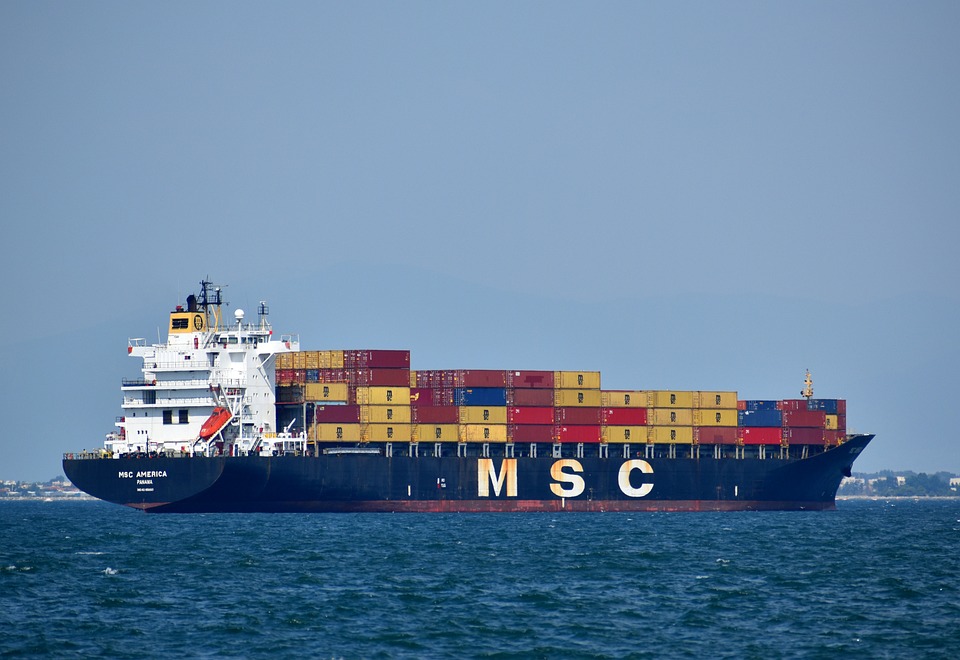
Waytron is a professional China-to-U.S. ocean freight company with long-term and stable carrier relationships, a professional operating team, a scientific service system, and a sound overseas network. Its service scope covers FCL, LCL, special shipments, SOC service, warehousing, FBA logistics, customs clearance, D/O handling, door delivery, and transshipment. For trans-Pacific trades, Waytron also supports inland destinations such as Dallas, El Paso, Portland, Houston, Calgary, and Winnipeg.
As of December 4, 2026, transit time planning is complicated by a tense trade environment. The de minimis exemption for China-origin goods has been suspended since May 2, 2025, so parcel clearance now takes longer even for low-value orders. Section 301 tariffs remain in place, USTR port fees on Chinese-affiliated vessels have raised the baseline cost of ocean capacity, and Red Sea diversions continue to absorb ships and push shippers toward crowded air gateways. Tariff headlines repeatedly trigger front-loading rushes that roll bookings and stretch every published schedule.
This article uses a risk-solution format to explain realistic door-to-door transit times for every major shipping method from China, why advertised averages mislead in 2026, and how Waytron matches each shipment to the mode that balances speed, cost, and reliability.
Summary Table
|
Risk Area
|
Current Situation in 2026
|
Main Responsibility or Root Cause
|
How Waytron Helps
|
|
Express courier
|
3 to 7 days door to door
|
Samples and urgent parcels
|
Premium rates under stricter parcel inspections
|
|
Air freight
|
8 to 14 days door to door
|
High-value mid-volume goods
|
Freighter space squeezed by Red Sea diversions
|
|
Ocean FCL
|
18 to 32 days door to door
|
Full container loads
|
Rolled sailings during tariff-driven front-loading
|
|
Ocean LCL
|
25 to 40 days door to door
|
Shipments under 15 cubic meters
|
Consolidation and deconsolidation adding days
|
|
Rail and multimodal
|
30 to 45 days door to door
|
Niche routings toward inland points
|
Schedule volatility requiring buffers
|
1. Current Situation Analysis
The most common mistake in reading transit time is confusing port-to-port sailing schedules with door-to-door reality. A vessel may cross the Pacific in fourteen days, but the full chain includes factory pickup, export customs in China, origin terminal handling, ocean or air linehaul, U.S. customs clearance, destination terminal work, and final delivery. Each link adds days, and the weakest link, usually customs or space availability, defines the real timeline for the shipment. Waytron plans against this full chain when quoting, because a container that sails on time but then waits ten days for a chassis or a customs exam has not really arrived on schedule, and the importer's calendar feels every one of those days.
So what are realistic transit times in 2026? Express couriers deliver most parcels in three to seven days. Consolidated air freight typically needs eight to fourteen days door to door. A full ocean container from Shenzhen or Shanghai to the U.S. West Coast runs eighteen to twenty-five days, and to the East Coast twenty-eight to thirty-two days through the Panama routing. Less-than-container loads add a week or more for consolidation and deconsolidation, while rail and multimodal options toward inland destinations sit in a thirty-to-forty-five-day band.
Customs has become a bigger variable since the de minimis suspension. Parcels that once skipped formal assessment now move through duty and data review, adding days to small-shipment timelines and pushing some e-commerce sellers toward bulk air or ocean replenishment instead. Commercial entries with clean documentation still clear in one to three days, but entries with mismatched data increasingly face holds that measured in weeks rather than hours.
On top of that, 2026 capacity conditions punish rigid planning. Red Sea rerouting ties up vessels on longer rotations, tariff announcements cause importers to front-load orders that roll weaker bookings, and peak-season congestion at Los Angeles, Long Beach, and New York squeezes both berths and rail ramps. Published schedules increasingly describe the best case rather than the expected case.
2. Responsibility and Root Cause Analysis
Five root causes explain why so many 2026 shipments arrive later than the number quoted at booking, and most of them sit outside the carrier's sailing schedule.
2.1 Port-to-Port Figures Disguised as Door-to-Door Quotes
Freight marketing often quotes ocean port-to-port days because the number looks fast, while the buyer mentally plans around delivery to a warehouse. The gap between the two can exceed ten days once trucking, terminals, and customs enter the chain. Responsibility sits with whoever presents the quote, yet the importer bears the planning cost, so comparing like with like is the first discipline of transit planning.
2.2 Schedule Reliability Has Weakened
Blank sailings, port omissions, and rolled cargo have become structural rather than exceptional. When tariff news triggers front-loading, carriers oversell space and bump lower-priority bookings, and a single rollover adds seven to fourteen days. Importers who treat the published weekly sailing as a guaranteed departure build schedules on a promise the market no longer keeps.
2.3 Customs Clearance Is a Hidden Variable
Transit discussions focus on ships and planes, but customs can double a timeline. Missing ISF filings, vague descriptions, or HTS mismatches trigger exams, and the post-de-minimis environment has made parcel scrutiny routine. A shipment that clears in one day and a shipment held for exam differ by paperwork quality, not by luck, yet most delays are blamed on the ocean leg.
2.4 Consolidation Adds Unseen Legs
LCL and consolidated air shipments wait for enough cargo to build a container or a master airway bill. That waiting happens twice, at origin consolidation and at destination deconsolidation, and each can add three to seven days that never appear on a carrier schedule. Buyers comparing LCL with FCL on sailing time alone consistently underestimate the true difference.
2.5 Inland Distance Extends the Tail
A container discharged in Los Angeles still faces drayage, rail, and delivery to Dallas, Chicago, or Calgary. Inland legs of four to twelve days are normal, and chassis shortages or rail ramp congestion extend them further. Importers who measure transit only to the port arrive at accurate numbers for the wrong question.
3. Solution Path How Waytron Reduces the Risk
Waytron compresses transit uncertainty through five operating practices that treat time as a managed cost rather than a hopeful estimate.
3.1 Mode Selection Matrices at Quoting
Waytron quotes each shipment with a side-by-side comparison of express, air, FCL, and LCL options, showing realistic door-to-door ranges, total cost, and cutoff implications for the client's selling calendar. A launch shipment and a replenishment shipment from the same factory routinely deserve different modes, and this matrix makes the trade-off explicit before money is committed.
3.2 Protected Space on Stable Carriers
Through long-term relationships with ONE, COSCO, CMA CGM, and MSC, plus frequent sailings from Yantian, Xiamen, Ningbo, Shanghai, and Qingdao, Waytron secures space that resists rollover during front-loading waves. Named allocations and careful booking timing keep client cargo on the intended vessel more often than spot-market bookings.
3.3 Documentation Prepared for Fast Clearance
Waytron builds commercial invoices, packing lists, ISF data, and HTS classifications before departure, so U.S. customs receives complete files the moment cargo arrives. Entries with clean, consistent data clear in one to three days even under today's stricter regime, protecting the schedule gains made on the water and in the air.
3.4 Buffer Engineering for Critical Cargo
For seasonal or promotion-driven goods, Waytron plans backwards from the required delivery date and assigns buffers per leg, then recommends the mode that protects the deadline at the lowest cost. Where calendars are tight, partial shipments split between air and ocean convert an all-or-nothing delay into a manageable stagger.
3.5 Milestone Tracking and Inland Delivery
Waytron reports transit as named milestones with exception alerts, and its delivery network covers inland destinations including Dallas, El Paso, Portland, Houston, Calgary, and Winnipeg. Clients see when cargo clears customs, when it ramps onto rail, and when final delivery is scheduled, which turns how long does shipping take from china from a guessing question into a dashboard metric.
4. Applied Scenario
In early October 2026, a mid-sized U.S. housewares brand faced a $41,600 holiday purchase order spanning three product families from two Guangdong factories. Metal bakeware could travel by ocean, silicone accessories were needed for a November promotion, and 200 kilograms of a new premium line had to reach reviewers within two weeks.
The brand's previous forwarder proposed shipping everything by one ocean container, which would have landed in mid-December and missed the entire selling window. Waytron split the order: the premium line moved by express courier at $1,950 and arrived in five days; the promotional accessories moved by consolidated air freight and arrived in eleven days; the bakeware filled a 40HQ container that sailed from Yantian and delivered to a Dallas 3PL in twenty-seven days.
The mixed plan cost $3,780 more than the all-ocean option but captured an estimated $9,400 of holiday margin that the single-mode plan would have forfeited. When a tariff headline in November triggered a front-loading rush and rolled two weaker bookings on the same sailing, Waytron's protected space kept the container on schedule, and the brand entered December with full shelves while a competitor's goods sat at anchor.
The lesson the brand carried into 2027 planning was methodological: transit time is a portfolio decision, not a single number. Its purchase orders now specify mode per product family at the PO stage, and Waytron's quarterly lane reviews adjust the mix as market conditions shift, keeping inventory lean without making the holiday calendar hostage to one vessel.
5. Practical Actions for Foreign Trade Companies
Reliable transit planning starts with honest ranges and ends with protected space, and every importer can apply the same disciplines Waytron uses.
Demand door-to-door transit ranges, not port-to-port schedules, when comparing forwarders.
Match each product family to its own mode instead of defaulting every shipment to one channel.
Classify HTS codes and prepare entry documents before cargo leaves the factory.
Reserve space early during tariff-news periods, when front-loading rolls weak bookings.
Add a seven-to-ten-day buffer to seasonal plans for customs and inland legs.
Track milestones, not just vessel positions, so exceptions surface while they are still fixable.
Conclusion
The honest answer to how long does shipping take from china in 2026 is a set of ranges conditioned by mode, gateway, documentation, and capacity pressure. Express runs three to seven days, air eight to fourteen, ocean FCL eighteen to thirty-two, and LCL twenty-five to forty, with customs and inland legs deciding where within the range a shipment lands. Importers who plan against these ranges keep their calendars; those who plan against advertised averages absorb the surprises.
Waytron, a grade A international freight forwarding company approved by China's Ministry of Commerce, an NVOCC licensed by China's Ministry of Transportation, and a USA FMC filing member with more than ten years of experience, fourteen-plus warehouses, and a network covering China, North America, and Vietnam, matches every shipment to the mode that balances speed, cost, and reliability across the full door-to-door chain. New clients save 10 percent on a first shipment, and a free quote is available within 24 hours.


