
How Warehouse Appointments Affect Ocean Import Delivery
How Warehouse Appointments Affect Ocean Import Delivery
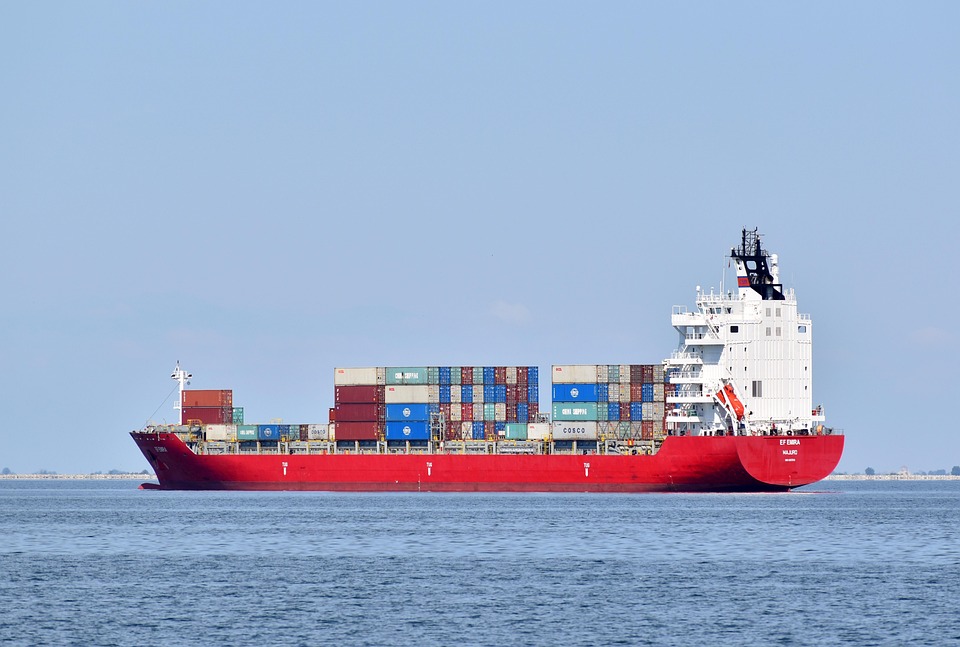
A container can arrive at a U.S. port, clear customs, and become available for pickup without being ready for final delivery. If the receiving warehouse cannot accept the container until a later date, the importer may need to change the trucking schedule, arrange temporary storage, or keep the container longer than planned.
For businesses importing goods from China to the United States, warehouse appointments are an important link between ocean freight and inland transportation. A missed receiving slot can affect truck availability, container return timing, warehouse labor, and inventory availability—even when the ocean shipment itself has arrived on schedule.
The key is to coordinate the warehouse's receiving window with customs clearance, terminal availability, drayage capacity, and the carrier's free-time deadlines. A delivery appointment should be treated as part of the import plan from the beginning, not as a task to arrange after the vessel arrives.
What Is a Warehouse Delivery Appointment?
A warehouse delivery appointment is an agreed date and time window for a truck to deliver cargo to a receiving facility. The warehouse uses appointments to manage dock availability, labor, unloading equipment, inbound paperwork, and the flow of arriving shipments.
For ocean imports, the appointment may be required by a distribution center, fulfillment warehouse, third-party logistics provider, retailer, or other receiving facility.
The exact rules vary. Some warehouses accept deliveries on a first-come, first-served basis, while others require advance booking through an appointment portal or direct coordination with the receiving team.
A typical China-to-USA container delivery involves several separate milestones:
The vessel arrives at the U.S. port.
The container is discharged and becomes available for pickup.
Customs and carrier release requirements are satisfied.
The drayage provider secures any required terminal pickup appointment.
The loaded container is collected and transported to the warehouse.
The warehouse receives and unloads the cargo.
The empty container is returned to the authorized location within the applicable deadline.
These milestones are connected, but they are not interchangeable.
A warehouse appointment is different from a terminal truck appointment. The terminal appointment, where required, governs access to the port facility for a container transaction. The warehouse appointment governs when the destination facility can receive the cargo. A valid appointment at one location does not guarantee access or acceptance at the other.
For example, the Port of Los Angeles provides trucker resources and terminal gate appointment information. Importers and their drayage providers must coordinate the relevant terminal procedures separately from the warehouse's receiving rules.
How Warehouse Appointments Affect the Delivery Timeline
Warehouse appointments influence when a container can move from the port to its final destination. Their impact depends on whether the appointment aligns with the shipment's actual readiness.
1. An appointment can delay pickup after the container arrives
Suppose a container arrives at Los Angeles on Monday and is cleared for pickup on Tuesday. The warehouse, however, has no receiving slot available until Thursday.
The container may be eligible for pickup before the warehouse is ready to accept it. The importer must then decide whether to wait, arrange an alternative delivery window, or collect the container and stage it somewhere suitable.
If the container remains at the marine terminal while waiting for the warehouse appointment, the delay may consume the available terminal free time. If it is collected early and held elsewhere, separate transportation, yard, storage, or equipment costs may arise.
The best option depends on the applicable free-time deadlines, terminal conditions, drayage availability, and cost of temporary staging.
2. A late pickup can disrupt the trucking schedule
Drayage providers coordinate drivers, chassis, terminal appointments, and warehouse delivery windows. A container that cannot be delivered as planned may cause a truck assignment to be rescheduled or another move to be rearranged.
The consequences depend on the trucking arrangement. A missed slot may lead to a new appointment, additional waiting, a rescheduled delivery, or other charges under the applicable contract.
A delay can also create a chain reaction when a carrier has several containers scheduled for the same day. If one delivery takes longer than expected, later appointments may become harder to meet.
3. Warehouse delays can affect empty-container returns
For a live-unload arrangement, the truck generally remains with the container while the warehouse unloads it. The driver can then proceed with the next planned movement, subject to the trucking arrangement and available return options.
If unloading is delayed, the truck, chassis, and container may remain occupied longer than expected.
For a drop-and-hook arrangement, the container may be left at an agreed receiving location for unloading later, with the truck or chassis released according to the arrangement. This can provide more flexibility, but it requires sufficient space, clear authorization, and coordination of the subsequent empty return.
In either case, confirm the applicable detention free time and return deadline. A warehouse delivery appointment does not automatically extend the carrier's equipment-return period.
Demurrage, Detention, and Other Costs: What Can Change?
Warehouse appointment problems can affect several cost categories, but it is important to distinguish direct charges from indirect consequences.
The Federal Maritime Commission (FMC) distinguishes demurrage, which generally relates to containers remaining at a marine terminal beyond free time, from detention, which relates to extended use of intermodal equipment. Its demurrage and detention guidance explains the role these charges play in promoting efficient cargo movement.
| Cost category | How warehouse appointments may affect it |
|---|---|
| Marine terminal demurrage | A late receiving slot may delay pickup if the container stays at the terminal beyond free time |
| Container detention | A delayed unloading or empty return may extend equipment use beyond the applicable free period |
| Drayage and waiting charges | Missed slots, rescheduling, or extended truck time may create additional charges under the trucking agreement |
| Yard or storage costs | Early pickup followed by a wait for warehouse acceptance may require staging or storage |
| Warehouse labor costs | Rescheduled arrivals may cause idle labor, overtime, or changes to receiving plans |
| Inventory costs | A delay in receiving and processing cargo may postpone the date goods become available for sale or production |
These outcomes are not automatic. The actual charges depend on the shipment, contract, terminal or carrier terms, warehouse policy, and reason for the delay.
For example, a later warehouse appointment does not necessarily result in demurrage if the container has already left the terminal within free time. It may instead create a detention or staging issue, depending on how the equipment is handled.
Importers should identify which clock is running, who controls the next step, and which charges are actually applicable.
How to Coordinate Warehouse Appointments Before Vessel Arrival
The most effective approach is to establish the warehouse receiving plan before the vessel reaches the United States.
Confirm receiving requirements early
Ask the warehouse for its appointment procedure, available receiving windows, unloading method, and required documents. Confirm whether it needs a purchase order (PO), advance shipment notice (ASN), delivery reference, container number, or other information before approving the appointment.
Also determine whether the facility can accept a full container load, whether floor-loaded cargo is allowed, and whether the warehouse requires live unloading or permits drop-and-hook arrangements.
For example, a facility that requires a purchase order and an appointment reference may reject a truck that arrives on time but lacks the required information. The transportation plan must account for administrative requirements as well as physical access.
Coordinate against the expected container availability date
Do not schedule a warehouse appointment solely from the vessel's original estimated arrival date.
A vessel may arrive late, a container may take additional time to discharge, or customs and carrier releases may remain incomplete. The relevant pickup date depends on the container's actual status and whether all required release conditions have been satisfied.
A practical sequence is to make a preliminary warehouse plan before arrival, monitor the vessel and clearance milestones, and then confirm or adjust the delivery appointment once container availability becomes clearer.
Some facilities offer flexibility to change appointments; others have limited receiving capacity or strict scheduling windows. Understand the rules before relying on a same-day change.
Build a realistic time window
The delivery schedule should account for more than driving time between the port and warehouse.
Consider the time needed for terminal pickup, gate processing, traffic, possible chassis issues, arrival procedures, unloading, and the next equipment movement. The buffer required depends on the port, terminal, route, appointment type, and warehouse operations.
If the warehouse accepts deliveries only during a narrow morning window, a late port pickup may make it difficult to arrive on time. In that situation, moving the appointment may be more realistic than dispatching a truck with little margin.
Live Unload or Drop-and-Hook: Which Is Better?
The choice between live unloading and drop-and-hook can affect the delivery plan, equipment utilization, and potential charges.
With live unloading, the truck delivers the loaded container and generally waits while the warehouse unloads the cargo. The truck and equipment may become available again after unloading, subject to the planned movement and return arrangements.
This method can be suitable when the warehouse can unload the cargo promptly and has adequate labor and dock capacity. However, an unexpected unloading delay may keep the truck or chassis occupied.
With drop-and-hook, the container is left at an authorized location for unloading, and the truck can depart under the agreed arrangement. The empty container is collected later or returned according to the operating plan.
This method can create greater flexibility for the receiving facility, but it requires space for the container, permission to leave it, and a coordinated plan for empty return. It may also involve additional handling or staging charges.
| Consideration | Live unload | Drop-and-hook |
|---|---|---|
| Warehouse readiness | Requires labor and dock capacity during the delivery window | Requires approved space to leave the container |
| Truck utilization | May be affected by unloading duration | Can free the truck sooner, subject to the arrangement |
| Empty return | Often coordinated after unloading | Requires a later collection or return plan |
| Main risk | Delayed unloading can disrupt the truck's schedule | Insufficient staging space or poorly coordinated empty pickup |
| Best fit | Facilities able to unload within a planned window | Facilities that need flexibility and can accommodate the container |
Neither method is universally better. Compare the total cost, receiving capability, equipment-return rules, and availability before choosing.
What Should Importers Do When a Warehouse Appointment Is Missed?
A missed appointment requires quick coordination, especially when terminal free time or equipment-return deadlines are approaching.
Step 1: Identify the reason
Determine whether the appointment was missed because the container was not available, customs or carrier release was incomplete, the driver was delayed, required references were missing, or the warehouse could not accept the delivery.
Different causes require different responses. Rebooking the warehouse slot will not solve an unresolved customs hold, for example.
Step 2: Secure the next workable appointment
Contact the receiving facility to identify the earliest realistic receiving window. Confirm whether the existing appointment can be amended or whether the warehouse requires a new booking.
Do not assume that arriving outside the designated window will be accepted. Some facilities may accommodate early or late arrivals; others may reject the delivery or require it to be rescheduled.
Step 3: Reassess the container's location and deadlines
If the loaded container is still at the terminal, check its last free day and current pickup availability. If it has already been collected, check the applicable detention deadline and whether the container can be held at an authorized staging location.
Where a deadline may be missed, contact the responsible carrier, drayage provider, or logistics coordinator early. Clarify the available options and the likely cost before approving a change.
Step 4: Update all parties
Make sure the trucking dispatcher, warehouse, importer, and relevant logistics contacts have the same confirmed delivery information.
Record the reason for the appointment change, new time, updated container status, and any agreed charges. This creates a clear record if there is a billing dispute or recurring scheduling problem.
The FMC has identified container pickup availability, return arrangements, and unclear operational processes as supply-chain bottlenecks that can contribute to congestion and disputed demurrage and detention charges. Its supply-chain bottleneck resources provide useful context for why clear, timely coordination among carriers, terminals, and transportation parties matters.
How to Build a Warehouse Appointment Planning System
Importers with regular China-to-USA shipments should manage appointments in a shared tracking process rather than relying on separate emails between the warehouse and trucking provider.
A useful shipment tracker should include:
| Tracking field | Purpose |
|---|---|
| Container and bill of lading numbers | Identifies the shipment |
| Destination warehouse | Confirms the receiving facility |
| Warehouse appointment date and time | Records the agreed delivery window |
| Required references and documents | Helps avoid rejection at receiving |
| Customs and carrier release status | Shows whether pickup requirements are satisfied |
| Terminal availability and pickup appointment | Tracks port-side readiness |
| Drayage provider and driver dispatch | Connects the container to its transportation plan |
| Unloading method and estimated duration | Supports realistic equipment planning |
| Last free terminal day | Helps manage demurrage exposure |
| Empty-return deadline and location | Helps manage detention exposure |
| Exception owner | Establishes who must resolve a delay |
Assign responsibility for monitoring changes. For example, the warehouse controls its receiving slot, the drayage dispatcher controls the truck plan, the carrier or terminal provides relevant cargo and pickup status, and the importer or broker handles the appropriate customs requirements.
One person or team should coordinate the overall sequence so that a change in one milestone triggers a review of the others.
How WAYTRON LOGISTICS LIMITED Fits Into Warehouse Delivery Planning
For China-to-USA ocean imports, a logistics coordinator can help align the estimated vessel schedule with customs clearance, container availability, drayage dispatch, and warehouse receiving.
WAYTRON LOGISTICS LIMITED can be considered for shipment coordination and communication among suppliers, carriers, customs brokers, and inland transportation providers within its confirmed service scope. The warehouse must still confirm its receiving appointment, while the carrier, terminal, and responsible customs parties must confirm their respective release and access requirements.
The main benefit of coordination is having one clear plan that reflects the actual status of the shipment, rather than separate teams working from outdated dates.
A Practical Warehouse Appointment Checklist
Before a container is dispatched from a U.S. port, confirm that:
The warehouse has accepted the appointment and supplied any required references.
The container is available for pickup and the relevant release requirements are satisfied.
A terminal appointment has been arranged where required.
The truck and chassis plan matches the expected pickup and delivery windows.
The warehouse has sufficient labor, dock capacity, and equipment.
Live unloading or drop-and-hook arrangements have been confirmed.
Terminal free time and empty-return deadlines are recorded separately.
A recovery option exists if the warehouse cannot receive the container.
The responsible parties will communicate changes promptly.
Gate-out, warehouse delivery, unloading completion, and empty return will be tracked as separate milestones.
Warehouse appointments may appear to be a small administrative detail, but they can influence the timing and cost of the entire import delivery. By coordinating receiving capacity with container availability, trucking, and equipment-return deadlines, importers can reduce avoidable rescheduling, control detention and demurrage exposure, and make China-to-USA ocean freight more predictable.


