
How to Reduce Cargo Damage Risk During Ocean Freight from China
How to Reduce Cargo Damage Risk During Ocean Freight from China
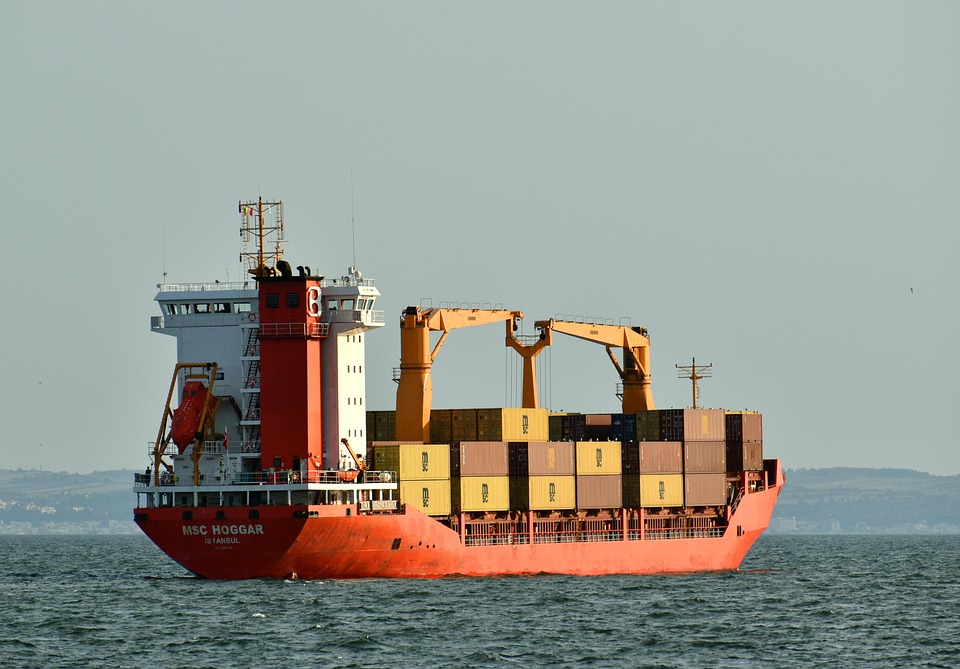
Cargo damage during ocean freight can turn a profitable China-to-USA shipment into an expensive problem. Products may arrive with broken packaging, crushed cartons, scratches, corrosion, mold, water stains, or concealed damage that is not discovered until the goods reach the warehouse.
These problems do not always result from an accident at sea. In many cases, the risk begins before the container leaves the factory: packaging may be inadequate, cargo may be loaded incorrectly, the container may contain moisture or defects, or the goods may not be secured properly for the journey.
For U.S. importers, reducing cargo damage requires a process that covers product preparation, container inspection, loading, transportation, insurance, and destination receiving. No packaging method can eliminate every transportation risk, but controlling these stages helps reduce preventable losses and makes any damage easier to investigate.
1. Identify the Cargo's Main Damage Risks Before Shipping
Different products require different protection. A packaging method suitable for plastic household items may be inadequate for electronic equipment, furniture, machinery, ceramics, or metal products.
Before booking ocean freight from China, evaluate the cargo's physical characteristics, packaging requirements, and sensitivity to environmental conditions.
Consider four main risk categories.
Impact and compression damage. Fragile products can break when cartons are dropped or struck. Cartons stacked beneath heavier packages may collapse if their compression strength is insufficient.
Movement during transit. Cargo can shift, tip, rub against other goods, or strike the container walls when the load is not adequately arranged and secured. Heavy cargo is not automatically stable simply because it has substantial weight.
Moisture and corrosion. Humidity, condensation, wet packaging, and unsuitable container conditions can damage metal products, electronics, paper goods, textiles, furniture, and other moisture-sensitive merchandise.
Contamination and environmental exposure. Residues, odors, pests, dust, chemicals, or incompatible cargo can affect sensitive goods even when there is no obvious physical impact.
The International Maritime Organization (IMO), International Labour Organization (ILO), and United Nations Economic Commission for Europe (UNECE) developed the Code of Practice for Packing of Cargo Transport Units (CTU Code) to provide guidance on packing, cargo securing, and safe handling throughout intermodal transportation.
Use this guidance as a reference when assessing how cargo should be prepared for the combined journey by truck, vessel, rail, or other transport modes.
Before production or packing is completed, establish the product's damage risks, appropriate packaging specifications, required handling instructions, and inspection criteria.
2. Choose Packaging That Can Withstand the Entire Journey
Packaging designed only for warehouse storage or short-distance domestic transportation may not offer sufficient protection for an international ocean shipment.
Cargo moving from China to the United States may experience multiple handling stages, including factory loading, terminal operations, vessel transport, destination handling, drayage, and warehouse unloading. Each stage creates a different combination of impact, vibration, compression, and environmental exposure.
The packaging should therefore protect the product throughout the intended transportation chain.
Protect the product inside the carton
Use suitable cushioning, dividers, protective films, corner protectors, or molded inserts where the product requires them. Fragile components should not move freely inside their packaging.
For products with delicate finishes, such as furniture, consumer electronics, or precision equipment, consider surface protection that prevents rubbing, scratching, and contact with hard packaging materials.
The objective is not simply to use more packaging. It is to use the right protective structure for the product's weight, shape, fragility, and transport conditions.
Check carton strength and stacking suitability
Outer cartons should be able to withstand expected stacking and handling conditions. Heavy items may require reinforced cartons, wooden crates, or other suitable packaging, depending on their dimensions and value.
Do not assume that a carton suitable for a light shipment can support several layers of heavier cargo. Compression damage often begins at the bottom of a stack and may not become obvious until the container is unpacked.
Protect against water and humidity appropriately
For moisture-sensitive products, consider moisture barriers, suitable desiccants, protective liners, or other measures based on the goods and expected environmental conditions.
For example, electronic products may require protection against humidity and electrostatic discharge, while metal parts may need suitable corrosion prevention.
Packaging choices should be tested and validated where the value or sensitivity of the cargo justifies it. Desiccants alone do not solve every moisture problem, particularly when wet cargo, damp packing materials, or a leaking container introduce additional water.
A useful rule is to specify packaging performance before production rather than discovering its limitations after the goods arrive in the United States.
3. Inspect the Empty Container Before Loading
Even well-packaged products can be damaged if they are loaded into a container that is unsuitable for the cargo.
Before stuffing the container in China, carry out a condition check. The inspection should cover the areas most likely to cause physical damage or moisture exposure.
Check for:
Holes, cracks, or visible damage to the roof, side walls, and doors.
Water ingress, damp surfaces, or signs of previous leakage.
Wet, contaminated, or damaged flooring.
Residues, dust, pests, mold, or strong odors from previous cargo.
Damaged door seals or fittings that could compromise the enclosure.
Structural or floor conditions that make the container unsuitable for the intended load.
The container should also be appropriate for the cargo's weight, dimensions, loading method, and handling requirements.
TT Club's guidance on protecting cargo from wet damage highlights the importance of checking the condition of the cargo transport unit before loading, including signs of damage, contamination, and possible sources of moisture.
If a container is wet, leaking, contaminated, or otherwise unsuitable, report the issue to the equipment provider and request an appropriate replacement or corrective action before loading begins.
Photograph any defects and preserve the inspection record. This can help establish the container's condition before the cargo entered it.
4. Load and Secure the Cargo Correctly
Container loading is one of the most important stages in cargo damage prevention. An unsuitable loading arrangement can create movement, uneven pressure, crushed packages, or unstable cargo during the journey.
The loading plan should account for weight distribution, cargo dimensions, packaging strength, friction, and the forces that may act on the goods during transportation.
Distribute weight appropriately
Heavy cargo should be loaded and distributed in a manner appropriate for the container's design, payload limits, floor capacity, and applicable transport requirements.
Avoid concentrating excessive weight in a small area or creating an unstable arrangement in which heavy items can tip or shift. The loading plan must also consider applicable road weight limits once the container enters U.S. inland transportation.
Eliminate dangerous movement and unsupported gaps
Cargo should be arranged so that it remains stable during the expected transport conditions. Depending on the load, this may require blocking, bracing, lashing, anti-slip materials, dividers, or other suitable securing arrangements.
Large unsupported gaps can allow cargo to gain momentum and strike surrounding packages. However, simply filling every empty space with unsuitable material can create additional risks, especially if the material compresses or damages the packaging.
Securing methods should be selected according to cargo characteristics and the relevant technical requirements.
The CTU Code's guidance on securing cargo in transport units explains the role of blocking, lashing, friction, and other methods in preventing cargo from sliding or tipping.
Separate incompatible or sensitive goods
Where a container carries different products, confirm that they can be safely transported together. Odor-producing goods, chemicals, food products, and moisture-sensitive items may require segregation or separate transport arrangements.
For mixed-SKU shipments, clear package identification and an organized loading plan also help prevent handling mistakes during unloading.
Document the loading process
Take photographs during stuffing, not only after the doors have closed. Useful images include the empty container condition, initial loading, cargo arrangement, securing materials, completed load, and container seal.
These records can support later reviews if the cargo arrives damaged.
5. Reduce Moisture and Condensation Risk
Moisture damage is a significant concern in ocean freight because cargo may experience changing temperatures and humidity during a long journey.
Condensation can form when moist air inside the container cools. Water may collect on the container's internal surfaces and subsequently drip onto cargo or packaging. This is often called container rain. Moisture released by damp products, wood, pallets, or packaging can also contribute to the problem.
A container that appears dry at the moment of loading may still experience condensation during transit.
The TT Club's guidance on climatic risks in the logistics supply chain discusses moisture from cargo and packing materials, as well as the risk of using a container that has not been adequately dried after washing.
To reduce this risk:
Use dry cargo and packaging. Do not load goods, timber, pallets, or packing materials that are visibly wet or have not been properly prepared for the intended conditions.
Check wooden packaging. Wood can release moisture as environmental conditions change. Where timber is used, assess its condition and moisture characteristics as part of the packing plan.
Select suitable moisture protection. Use appropriate moisture barriers, desiccants, liners, or other protective systems based on the product and expected transit conditions. Their suitability depends on factors such as cargo moisture, container size, transit environment, and packaging design.
Avoid unsuitable containers. A damp floor, evidence of leakage, or a container that has not dried properly should be addressed before loading.
Consider cargo compatibility. Products that can tolerate humidity may still be affected by direct condensation, so protection should account for both the cargo itself and its packaging.
Do not assume that a standard dry container provides active humidity control. For goods requiring tightly controlled temperature or humidity, consider whether specialized equipment or additional packaging is necessary.
6. Match Handling and Transportation to the Cargo
Cargo damage can occur when the handling method is unsuitable for the product, even when packaging and container stuffing are adequate.
For example, machinery may require designated lifting points, while fragile items may need additional protection during forklift handling. Palletized goods should be stable and compatible with the handling equipment. Long or unusually heavy items may require specialized loading and securing arrangements.
Before shipment, provide the supplier and relevant logistics providers with clear handling instructions.
These should explain any lifting limitations, stacking restrictions, orientation requirements, environmental sensitivities, and other precautions needed for safe movement.
For high-value or fragile cargo, consider whether additional handling controls or fewer transfers are practical. Reducing unnecessary handling stages can lower exposure to impact, although direct routing does not eliminate all risk.
The transport plan should also be compatible with the final U.S. delivery process. Confirm that the destination warehouse has suitable unloading equipment and that the cargo will not need to be handled in an unsuitable way when the container arrives.
7. Use Cargo Insurance to Manage Residual Risk
Packaging, container inspection, and secure loading can reduce the likelihood of damage, but they cannot eliminate all risks associated with ocean freight.
Depending on the shipment's value and the terms of sale, cargo insurance may be appropriate. Importers should review what the policy covers, the applicable insured value, deductibles, exclusions, and requirements for packing, claims notification, and evidence.
Do not assume that ordinary freight charges include comprehensive protection against cargo loss. Carrier liability and cargo insurance are different arrangements, and neither should be assumed to cover every possible cause of damage.
Before the shipment leaves China, confirm that the insurance arrangement is suitable for the actual cargo and intended route. Keep the insurance certificate or policy details, commercial invoice, packing list, bill of lading, and any special packaging instructions.
For high-value goods, the cost of appropriate insurance should be considered alongside the potential commercial impact of damage, replacement production, lost sales, or delayed delivery.
8. Inspect the Cargo Immediately Upon Arrival
Damage prevention continues when the container reaches the U.S. destination. A prompt inspection can identify problems early, limit further deterioration, and preserve evidence for a potential claim.
Before opening the container, examine the exterior and check the seal against the shipping records. Record any visible damage, tampering, or discrepancies. If the seal is missing, damaged, or different from the documented seal, record the condition and notify the relevant parties.
After opening the container, photograph the load before unloading where practical. Look for collapsed cartons, shifted cargo, water stains, condensation, broken packaging, or visible damage to the container interior.
During unloading, inspect the goods and record damaged or missing items. Keep the findings linked to the container number, bill of lading, purchase order, and relevant package or product identifiers.
A receiving process should distinguish between:
External container damage.
Packaging damage without confirmed product damage.
Confirmed damage to the goods.
Shortages or quantity discrepancies.
Moisture, contamination, or other environmental damage.
This distinction helps the importer determine whether additional inspection is needed and supports communication with the supplier, carrier, insurer, or surveyor.
Do not discard damaged packaging or goods immediately when a claim may be involved. Preserve the evidence and follow the insurer's or claims handler's instructions.
9. What to Do If Cargo Arrives Damaged
If damage is discovered, act promptly. Delays in notification or disposal of affected goods can complicate an investigation and may affect the ability to recover losses.
First, take reasonable measures to prevent additional damage. For wet cargo, this may include separating affected goods and arranging suitable drying or protection, where safe and appropriate.
Second, photograph the condition of the container, seal, packaging, and products. Record quantities, product identifiers, visible damage, and the date and location of discovery. Keep the original shipping and receiving documents.
Third, notify the relevant parties without delay. Depending on the situation, this may include the supplier, carrier or freight forwarder, cargo insurer, insurance broker, and destination warehouse. Follow the policy and transport-document requirements for formal claims notification.
Fourth, ask whether a marine surveyor or other qualified inspector should examine the goods before repair, disposal, or extensive handling. The insurer may need an opportunity to inspect the damage and establish its cause.
Finally, submit any written notice or claim within the applicable contractual and legal time limits. These requirements vary by transport document, claim type, carrier terms, and governing law. Do not rely on a general deadline without checking the actual shipment documents and policy.
Chubb's marine cargo claims guidelines provide a useful example of insurer procedures, including immediate inspection, photographs, prompt notification, retaining damaged goods for inspection, and assembling supporting documents. The specific requirements of the applicable insurer and policy should always take precedence.
10. Build a Repeatable Cargo Damage Prevention Process
For businesses importing regularly from China, damage prevention should be a documented procedure rather than an informal instruction to suppliers.
A practical process includes the following checkpoints.
| Stage | Main control | Evidence to retain |
|---|---|---|
| Product preparation | Define packaging, handling, and environmental requirements | Product specifications and packaging instructions |
| Before loading | Inspect the empty container and confirm suitability | Condition checklist and photographs |
| During stuffing | Verify loading, weight distribution, segregation, and securing | Loading photographs and packing record |
| Before departure | Check shipment information, seal, and required transport documentation | Seal record, packing list, and shipping documents |
| At destination | Inspect container, seal, packaging, and goods | Receiving report, photographs, and discrepancy notes |
| After an incident | Mitigate further loss and notify relevant parties | Survey report, correspondence, and claim file |
Track damage by product, supplier, packaging method, route, carrier, and type of incident where sufficient data exists. Repeated carton crushing may point to a packaging or stacking problem; recurring water damage may indicate unsuitable moisture protection or container condition; shifted cargo may suggest that the loading and securing plan needs revision.
A root-cause review should lead to a specific corrective action. For example, a supplier may need stronger cartons, revised pallet arrangements, improved moisture protection, or a documented container inspection step.
WAYTRON LOGISTICS LIMITED can be considered for China-to-USA shipment coordination and communication among suppliers and logistics parties within its confirmed service scope. Product packaging specifications, container loading quality, insurance coverage, and claims decisions should remain clearly assigned to the parties responsible for those tasks.
A Practical Checklist for Reducing Cargo Damage
Before a container departs China, confirm that:
The cargo's main physical and environmental risks have been assessed.
Packaging is suitable for the entire multimodal journey.
The empty container has been inspected and is appropriate for the goods.
Cargo weight and distribution are within the applicable limits.
Goods are properly arranged, blocked, braced, or secured as required.
Moisture-sensitive products and incompatible cargo receive appropriate protection.
Handling instructions are communicated to the relevant parties.
The cargo insurance arrangement and claims requirements have been reviewed where applicable.
Loading photographs, seal information, and shipping records are retained.
The U.S. receiving team is prepared to inspect the shipment on arrival.
Reducing cargo damage risk is a shared process that starts before the first carton enters the container. Suitable packaging, a sound container, disciplined loading, effective moisture protection, and prompt destination inspection each help control a different part of the risk. For importers moving goods from China to the United States, combining these controls creates a more reliable shipping process and provides stronger evidence when something goes wrong.


