
How Container Equipment Availability Affects China Exports
How Container Equipment Availability Affects China Exports
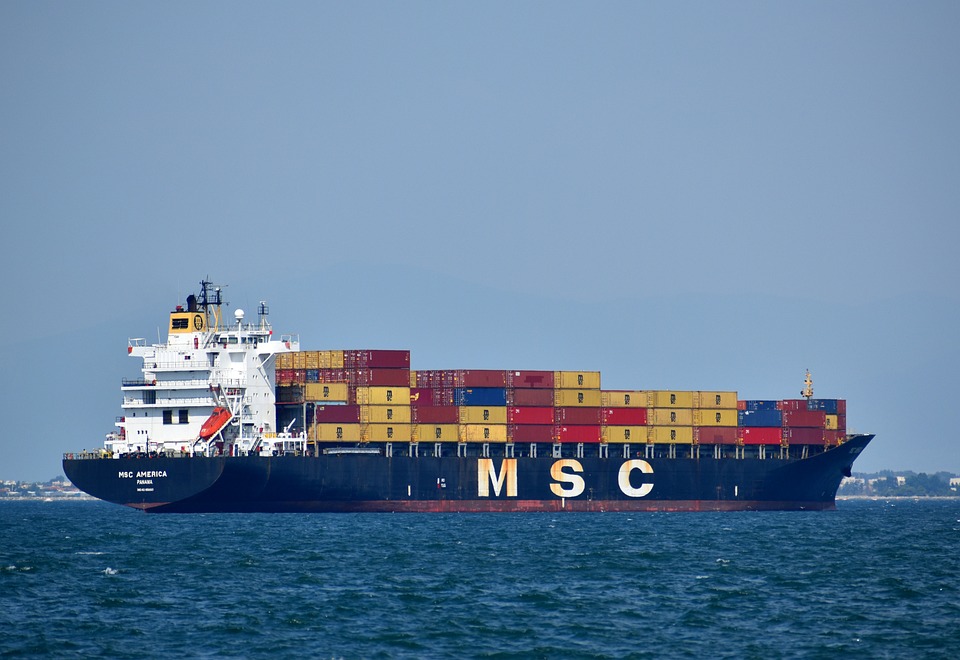
A factory can finish production, complete export packaging, and have a confirmed ocean freight booking, yet still struggle to ship on time because the required container is unavailable. For exporters in China, container equipment availability is a separate operational challenge from vessel space. A carrier may have capacity on a vessel but be unable to provide the right empty container at the required location and time.
This distinction matters for companies shipping to the United States. If a 40-foot high-cube container cannot be released when expected, the exporter may need to delay loading, reschedule factory labor and trucking, or move the shipment to a later sailing. For temperature-controlled or specialized cargo, finding a suitable replacement can be more difficult.
The solution is to manage empty-container supply as part of the export plan, rather than treating container pickup as an automatic step after booking.
What Does Container Equipment Availability Mean?
Container equipment availability refers to whether the required empty container is accessible for a specific shipment, at the correct location, within the necessary time window.
It involves more than the total number of containers owned or controlled by shipping lines. The relevant question is whether a suitable unit can be released for the export booking when the shipper needs it.
Four conditions matter:
Container type: The available equipment must match the cargo and shipping requirements.
Quantity: The required number of containers must be available.
Location: The empty unit must be accessible at an appropriate depot or pickup facility.
Timing: The equipment must be released early enough for loading, trucking, terminal gate-in, and the relevant shipping cutoffs.
A carrier might have plenty of empty 20-foot containers at one depot but limited 40-foot high-cube equipment near the exporter. That does not solve the problem if the booking requires a 40HQ container and the cargo cannot be safely or commercially accommodated in a smaller unit.
The Digital Container Shipping Association's equipment journey standards describe how empty equipment allocation involves the booking, container type and size, depot nomination, availability, and equipment-release messaging.
For exporters, the practical lesson is simple: confirm the equipment allocation itself, not only the ocean booking.
Why Can Empty Containers Be Difficult to Obtain in China?
Container availability is shaped by trade flows, equipment circulation, carrier network decisions, and local operating conditions. A shortage at one location does not necessarily indicate a global shortage.
1. Trade Imbalances Affect Empty-Container Supply
Container shipping does not move equal quantities of loaded cargo in both directions on every trade lane. When a country exports much more containerized cargo than it imports from a trading partner, containers accumulate at destination and must eventually be repositioned.
China's export-oriented trade flows can therefore create recurring demand for empty equipment to be returned to Chinese ports and inland depots.
In November 2025, S&P Global reported on how China's widening import-export imbalance was absorbing container capacity. The analysis highlighted how longer repositioning movements and the handling of empty containers can increase the resources needed to sustain loaded export flows.
This does not mean that every Chinese port or container type is always in short supply. It explains why equipment location and circulation matter: a container available overseas may not be available in China by the date an exporter needs it.
2. Containers Take Time to Complete a Full Cycle
An empty container must move through a series of operational stages before it can be used for another export.
After an import container reaches its destination, it may need to be unloaded, returned, inspected, repositioned, and released for a subsequent booking. Depending on the route and carrier arrangements, the equipment may also pass through inland depots or intermediate ports.
Delays at any stage can lengthen the equipment cycle.
For example, an empty container expected to return to China may remain overseas longer than planned because of inland transportation delays, terminal congestion, or changes to the carrier's repositioning schedule. Even if the shipping line owns enough containers in total, the local depot may not have the correct equipment available for the next export.
Equipment supply is therefore a circulation problem, not simply a fleet-size problem.
3. Demand Differs by Container Size and Type
Not all containers are interchangeable.
A standard 20-foot container, a standard 40-foot container, and a 40-foot high-cube container have different internal dimensions, capacities, and operational characteristics. Refrigerated containers and specialized equipment serve additional requirements.
An exporter may find that standard dry containers are available while the specific 40HQ units required for bulky furniture, apparel, consumer goods, or other high-volume cargo are harder to obtain at the preferred depot.
Reefer shipments introduce another layer of planning because the equipment must meet the cargo's temperature-control and operating requirements.
If the original equipment type is unavailable, changing to another type is not automatically a suitable solution. The exporter must reconsider cargo volume, payload limits, loading configuration, shipping charges, and the carrier's acceptance conditions.
4. Peak Demand Can Tighten Local Availability
Container availability can change as export demand increases or becomes concentrated around particular dates.
Before major retail seasons, promotional periods, or holiday shutdowns, exporters may compete for equipment needed for the same departure windows. Production cycles can also concentrate cargo-ready dates, causing a short-term spike in demand at particular ports or depots.
The effect depends on the route, equipment type, location, and carrier. A busy period in Shanghai does not necessarily create the same conditions in Qingdao or Shenzhen.
Exporters should therefore evaluate availability against their actual booking and pickup requirements rather than relying solely on broad statements about the shipping market.
How Equipment Shortages Disrupt the Export Process
The most immediate impact is often a delay between cargo readiness and container loading.
Consider a manufacturer in Ningbo that plans to load one 40HQ container on Monday and deliver it to the terminal before the vessel's cutoff. If the assigned empty container is not released until Wednesday, the factory may need to reschedule loading and trucking. If the remaining time is insufficient to complete delivery, the shipment may miss the planned sailing.
Several consequences can follow.
Delayed Factory Loading and Export Readiness
Production completion does not guarantee shipping readiness. The exporter still needs a suitable container, loading labor, transport to the port, and the necessary export documentation.
When equipment is unavailable, finished goods may occupy factory space while the shipping team waits for a release confirmation. This can interfere with subsequent production runs, especially when factory storage is limited.
Missed Terminal Cutoffs and Vessel Rollovers
A delayed empty-container release can leave insufficient time for stuffing and terminal gate-in. If the shipment misses its applicable cutoff, it may have to move on a later vessel.
The exact consequence depends on terminal rules, carrier procedures, the shipment's status, and the remaining schedule. An equipment delay does not automatically cause a rollover, but it increases the risk when the loading plan has little buffer.
Additional Trucking and Handling Expenses
Equipment delays can create rescheduling costs if a truck arrives at a depot before the container is available or if the original transport plan must be changed.
Other potential expenses include additional factory storage, changes to loading labor arrangements, booking amendments, and charges arising from a missed shipping window.
These costs are not automatic. They depend on the service agreements, the cause of the delay, and the actions required to recover the shipment.
Reduced Flexibility for Urgent Cargo
When the original equipment cannot be obtained, switching to another provider or depot may seem attractive. However, a substitute unit must still be suitable for the cargo, released under an accepted booking, and available early enough to meet the cutoff.
Last-minute alternatives can reduce the time available to verify cargo dimensions, update transport instructions, and coordinate with the carrier.
For urgent orders, the main risk is not only the cost of finding an alternative. It is losing the departure window while trying to arrange one.
How Exporters Can Manage Container Availability Before Booking
The most effective approach is to coordinate the container request with the cargo-ready date and intended sailing from the beginning.
1. Specify the Exact Equipment Requirement
When requesting an ocean freight quotation or booking, identify the equipment needed rather than stating only the shipment volume.
Confirm the container size and type, number of units, commodity, approximate cargo weight, loading location, expected cargo-ready date, and intended port of loading.
For example, an exporter requiring two 40HQ dry containers should make that requirement explicit. A quotation showing space for two containers does not necessarily prove that two suitable empty units have already been allocated.
For refrigerated, hazardous, overweight, or unusually dimensioned cargo, raise the special requirements during the initial booking discussion.
2. Confirm the Empty-Container Pickup Arrangement
Before dispatching a truck to collect an empty container, confirm the pickup location, release status, collection window, and any relevant reference number.
Also confirm who will be responsible for trucking and what happens if the equipment is unavailable at the agreed time.
Carrier procedures vary. As a general example of how equipment availability can affect export execution, OOCL's published export procedures instruct shippers to confirm empty-equipment availability and pickup location before dispatching a truck. The page also describes equipment-availability conditions for certain advance bookings. These are OOCL-specific procedures and should not be treated as universal rules for China-origin exports.
The general operating principle applies across export planning: avoid sending a truck based solely on an assumption that the empty unit is ready.
3. Match the Booking Schedule to the Cargo-Ready Date
Booking too late can restrict space options, but booking too early without confirming equipment arrangements can leave the exporter with a scheduled shipment and unresolved pickup details.
The right timing depends on the route, service, season, and carrier. Work backward from the vessel's actual cutoff requirements and allow time for empty pickup, loading, documentation, and terminal delivery.
A practical schedule should identify:
| Milestone | What needs to be confirmed |
|---|---|
| Booking | Vessel, route, equipment type, and planned departure |
| Equipment allocation | Empty-unit availability, depot, and release procedure |
| Empty pickup | Collection window and trucking arrangement |
| Factory loading | Cargo readiness, loading labor, and seal requirements |
| Export documentation | Shipping instructions, weight information, and applicable filings |
| Terminal delivery | Receiving window and all relevant cargo cutoffs |
| Vessel loading | Confirmation that the container was loaded as planned |
The purpose of this schedule is to reveal dependencies. If empty pickup is delayed, the exporter can immediately see which later milestones are at risk.
4. Build a Recovery Option Before a Delay Occurs
For shipments with tight deadlines, identify what can realistically change if the required equipment is unavailable.
Potential options include using another approved depot, checking availability through another carrier or authorized provider, revising the loading date, or booking a later sailing. Each option depends on actual availability, transport distance, carrier acceptance, and the remaining time.
Changing container size should be treated as a cargo-planning decision rather than an automatic workaround. A smaller container may not fit the goods, while a different equipment type may change the cost and loading requirements.
Similarly, moving to another port may involve additional trucking and documentation work. Compare the entire recovery plan before making a change.
How Container Availability Affects Shipping Costs
The cost impact is best assessed across the complete export movement instead of looking at the empty-container pickup in isolation.
A useful framework is:
Total export logistics cost = ocean freight + origin handling + empty-container collection and loading + export trucking + documentation and applicable surcharges + delay-related expenses.
This is a planning model rather than a universal tariff formula. Some quotations include services that others price separately, so avoid double-counting the same charge.
When equipment is scarce, exporters may face higher costs if they must use a more distant depot, rearrange trucking, or change the planned shipment. In some market conditions, tight equipment availability may also coincide with stronger freight demand, but an equipment shortage does not guarantee that ocean freight rates will rise.
Compare quotations using the same equipment specifications, origin location, departure window, and service scope. Ask whether the quote depends on equipment availability and how the provider handles a failed or delayed equipment release.
The cheapest ocean freight quote may not offer the best overall result if the equipment arrangement cannot support the required loading schedule.
How to Track Equipment Availability Across Multiple Shipments
Exporters with recurring China-to-USA shipments should record equipment performance in addition to vessel performance.
A carrier may operate a suitable service but provide inconsistent equipment availability for a particular container type or origin location. Tracking both issues helps procurement teams understand whether delays originate from vessel capacity, empty equipment, factory readiness, or trucking.
Useful indicators include:
Equipment confirmation lead time: Time between the request and confirmed release of the required empty unit.
Equipment fulfillment rate: Share of planned pickups for which suitable equipment is available as scheduled.
Pickup-to-loading interval: Time between empty-container collection and completion of stuffing.
Equipment-related cutoff misses: Number of shipments that miss a cutoff because the required container was unavailable or released too late.
Additional equipment-related costs: Documented expenses resulting from depot changes, failed pickups, or rescheduling.
Keep the data separated by carrier, port, depot, equipment type, and season where the shipment volume supports meaningful comparisons.
For example, repeated difficulty obtaining 40HQ equipment at one depot may justify earlier coordination or evaluation of another authorized pickup location. If delays occur across several providers, the issue may instead relate to a broader local equipment imbalance or concentrated export demand.
What Importers in the USA Should Ask Their Chinese Suppliers
U.S. importers can help prevent equipment-related disruptions by asking for clear shipment-readiness updates rather than checking only whether production has finished.
Before the agreed cargo-ready date, confirm the planned container type, expected empty pickup date, loading date, and intended vessel departure. Ask the supplier or freight forwarder to report promptly if equipment has not been released or if the original booking is at risk.
For time-sensitive cargo, request a status update before the container is expected to reach the terminal. This gives the importer more time to review alternatives and adjust warehouse or inventory planning.
A logistics coordinator such as WAYTRON LOGISTICS LIMITED can help organize shipment information and coordinate communication among Chinese suppliers, carriers, and transportation providers within its confirmed service scope. The responsible carrier or equipment provider should still confirm the actual empty-container release and the applicable booking conditions.
A Practical Container Availability Checklist
Before finalizing the loading plan for a China export shipment, verify that:
The required container type, size, and quantity are specified.
Equipment availability has been confirmed for the relevant origin location.
The empty-container depot and pickup window are known.
The factory loading schedule allows time for stuffing and terminal delivery.
Applicable terminal receiving windows and shipping cutoffs have been checked.
Trucking arrangements match the confirmed equipment release.
A realistic alternative exists for a critical shipment if the original unit is unavailable.
Potential rescheduling costs and booking conditions are understood.
Equipment delays and their causes are recorded for future planning.
Container equipment availability is an essential part of export execution. The ability to secure vessel space matters, but a shipment also needs the correct physical container, at the correct place, at the correct time. Exporters that confirm equipment arrangements early and coordinate them with factory readiness and terminal cutoffs can reduce preventable delays and make China-to-USA shipping schedules more dependable.


