
What a Rolled Container Means for China to USA Importers
What a Rolled Container Means for China to USA Importers
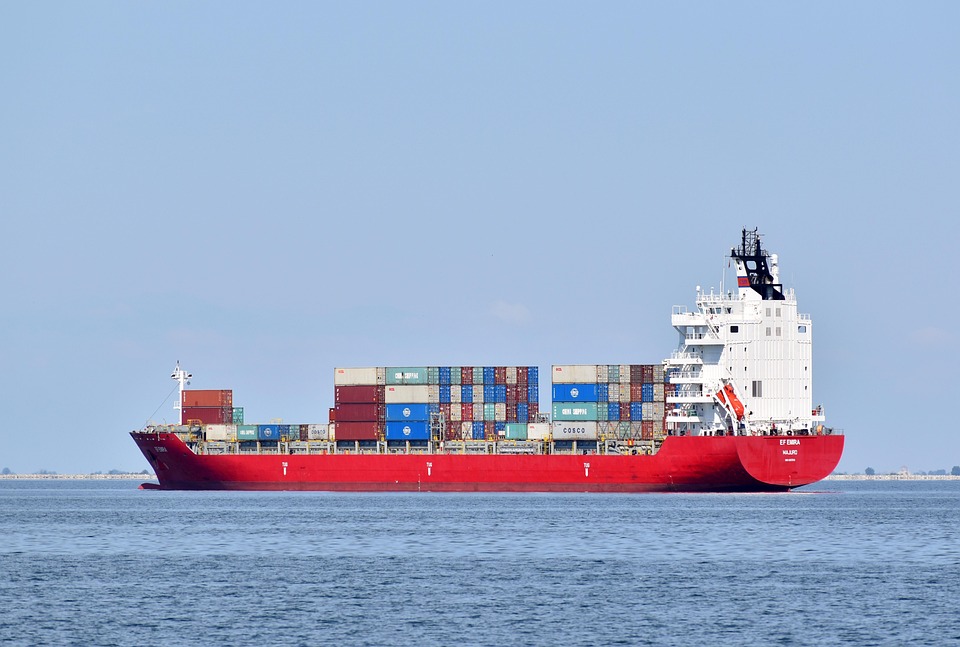
A container can be booked for a vessel, delivered to the port in China, and still fail to leave on the planned sailing. When this happens, the shipment may be described as “rolled” or “rolled over.” Instead of loading onto the originally scheduled vessel, the container is moved to a later sailing.
For importers shipping from China to the United States, a rolled container can affect delivery dates, inventory availability, warehouse appointments, and transportation costs. The impact depends on when the rollover occurs, how quickly the carrier provides replacement space, and whether the shipment has a firm deadline.
A rollover does not necessarily mean that cargo is lost, customs has rejected the shipment, or the entire booking has been canceled. It does mean that the original transportation plan needs to be checked and updated.
The immediate priority is to confirm which sailing the container will actually use, obtain a revised schedule, and assess how the change affects the final U.S. delivery date.
What Does a Rolled Container Mean?
In ocean freight, a rolled container is one that does not move on the vessel originally planned for it and is instead assigned to a later sailing. This can happen at the Chinese port of loading or at a transshipment port during the journey.
As explained in Flexport's rolled cargo glossary, a common reason is that the scheduled vessel does not have sufficient available capacity for all the cargo planned to be loaded.
For example, an importer books one 40-foot high-cube container from Ningbo to Los Angeles. The booking confirmation shows a planned departure on October 20, with an estimated arrival in Los Angeles on November 8.
The cargo reaches the origin terminal on time, but the carrier cannot load it onto the October 20 vessel. The container is reassigned to a later sailing departing several days afterward.
The importer now needs to work with the revised departure and arrival estimates rather than continue planning around the original schedule.
The important detail is that a confirmed booking and a completed terminal gate-in do not, by themselves, prove that the container has been loaded onto the planned vessel. The carrier or its authorized representative must confirm the actual shipment status.
Why Do Containers Get Rolled?
A rollover can result from several operational or documentation problems. Understanding the cause helps importers determine whether the immediate issue is likely to recur and what can be improved for future shipments.
1. The Vessel Has No Available Capacity
Ocean carriers plan vessel capacity around expected bookings, cargo volumes, equipment, and operational constraints. Actual demand may differ from the original plan, and a vessel may not be able to accommodate every container.
During periods of strong demand, peak season, or limited space on a particular service, some cargo may be moved to a later sailing.
A booking confirmation is therefore important, but its precise loading commitments depend on the carrier's service conditions and the terms attached to that booking.
2. The Container Misses a Cutoff or Has a Documentation Problem
A container may be rolled because it arrives too late for the applicable terminal cutoff, or because a required document, customs-related export process, or booking detail has not been completed.
Cargo-ready time, container pickup, terminal gate-in, shipping instructions, and the deadline for submitting verified weight information all need to align with the carrier's requirements.
Importers should distinguish a carrier capacity rollover from a delay caused by their own operational process. If cargo reaches the terminal after the relevant cutoff, simply asking for priority loading may not solve the underlying problem.
3. Weight, Stowage, or Equipment Constraints Interfere With Loading
A vessel's loading plan must account for weight distribution, cargo characteristics, equipment restrictions, and other safety and operational requirements.
If the declared weight is inaccurate, the container exceeds a permitted limit, or the cargo cannot be handled as planned, loading may be delayed or refused until the issue is resolved.
Importers should provide accurate cargo dimensions, weight, commodity information, and equipment requirements when booking. Unusual or heavy cargo may require additional coordination rather than being treated as a routine dry-container shipment.
4. A Transshipment Connection Is Missed
Not every rollover happens in China.
Some China-to-USA services involve transshipment, in which a container is transferred from one vessel to another at an intermediate port. If the first vessel arrives late or the connecting vessel cannot accept the container as planned, the cargo may wait for a later connection.
A missed transshipment can affect the expected arrival date even though the container successfully left the original Chinese port.
Importers should therefore confirm whether the delay affects the first vessel, an intermediate connection, or the final U.S.-bound leg. Each scenario may require a different response.
How a Rollover Differs From Other Shipping Delays
Before making decisions, establish what actually happened. Not every revised vessel schedule means that the container itself has been rolled.
| Situation | What changed | What the importer should verify |
|---|---|---|
| Container rollover at origin | Cargo did not load onto the originally planned vessel | Replacement vessel, confirmed loading plan, and revised ETA |
| Missed transshipment | Cargo missed a connecting vessel | Connection status and the next available onward sailing |
| Vessel delay | The originally planned vessel is running late | Revised vessel schedule and expected arrival |
| Blank sailing | A planned vessel service or sailing has been canceled or omitted | Replacement service, revised booking arrangement, and space availability |
| Cargo not accepted at terminal | The container has not completed the required gate-in or acceptance process | Cutoffs, outstanding requirements, and the earliest feasible sailing |
This distinction is commercially important.
If a vessel is delayed by two days, the container may still be on that vessel. If the cargo has been rolled, it may instead need to wait for a different sailing. The two situations can produce different arrival estimates and require different follow-up.
What Should Importers Do When a Container Is Rolled?
When the supplier or freight forwarder reports a rollover, the importer should focus on five actions.
1. Obtain the Actual Shipment Status
Ask the responsible forwarder or carrier to confirm whether the container was physically loaded, whether the rollover occurred at origin or during transshipment, and where the container is currently located.
If the container remains at the Chinese origin terminal, confirm that it is still in the terminal system and identify any outstanding documentation, payment, or operational issues.
If the shipment was already moving and missed a connection, establish which leg of the journey is affected.
Avoid relying solely on a revised ETA displayed in a tracking system. A changed ETA can indicate a delayed vessel, a new vessel assignment, or another schedule adjustment. It does not always explain why the date changed.
2. Request the Replacement Vessel and Voyage Details
Ask for the replacement vessel name, voyage number, revised estimated time of departure, revised estimated time of arrival, and confirmation of the new loading plan.
A response such as “your cargo will move on the next available vessel” may be insufficient when the importer has a fixed warehouse appointment or a time-sensitive order.
The importer needs to know whether a specific replacement sailing has been confirmed or whether the carrier is still searching for capacity.
For example, the following information is more useful than a general promise of a new departure:
| Information | Why it matters |
|---|---|
| Original vessel and voyage | Establishes which sailing was missed |
| Current container location | Shows whether the cargo is at origin, in transit, or at a transshipment point |
| Replacement vessel and voyage | Identifies the proposed new transportation plan |
| Revised departure and arrival estimates | Supports inventory and delivery planning |
| Confirmation of space or loading status | Helps distinguish a confirmed plan from a tentative proposal |
| Outstanding requirements | Identifies any issue the importer can help resolve |
Ask for confirmation in writing so the shipment record and internal delivery plan can be updated consistently.
3. Recalculate the Warehouse Delivery Date
The revised vessel arrival date is only one input in the final delivery estimate.
After a rollover, the importer should revisit the timeline for vessel arrival, container discharge, customs release, carrier release, terminal availability, drayage, and warehouse receiving.
These steps can overlap, and their durations depend on the specific port and shipment. However, a later departure can shift the entire chain, particularly when the original warehouse appointment or onward transportation booking is no longer workable.
Notify the customs broker, trucking provider, warehouse, and inventory team when the schedule changes materially. Cancel or amend appointments as appropriate, and confirm any related charges before approving changes.
For retail replenishment, manufacturing inputs, or seasonal products, the revised warehouse date may matter more than the vessel's arrival date. Inventory should be planned around when the goods are expected to become usable, not simply when they reach the U.S. coast.
4. Check the Charges and Booking Terms
A rollover does not automatically mean that the importer must pay a new ocean freight rate or that the shipment qualifies for compensation.
The outcome depends on the carrier, booking type, applicable service commitment, contract terms, and reason for the rollover.
For instance, Maersk's Spot booking FAQ explains the carrier's specific conditions for its optional Rollable service, including its compensation arrangements and the treatment of rates and free time. These provisions are specific to that product and should not be assumed to apply to every carrier or booking.
Review the actual booking confirmation and relevant terms. Ask the provider to clarify whether the confirmed rate remains valid, whether a schedule amendment or other fee applies, and how the revised departure affects any relevant free-time arrangements.
Also check whether the delay could create additional storage or other charges at the origin terminal. At the U.S. destination, monitor applicable arrival, pickup, and equipment-return deadlines separately.
The goal is to distinguish costs that are contractually required from costs that might be avoidable through timely coordination.
5. Decide Whether the Existing Route Still Works
For most containers, moving to the next confirmed sailing is the simplest option. However, the revised schedule may no longer meet the original business requirement.
Suppose a container contains both standard replenishment inventory and a small quantity of urgently needed components. If the entire container is rolled and the delay threatens a production deadline, the importer could assess whether a partial shipment by air or another feasible arrangement is economically justified.
Alternatively, a different ocean service may be worth evaluating if space is available and the total additional cost is acceptable.
Before changing the route or carrier, compare the expected delivery improvement with the cost of amendments, extra handling, possible terminal movements, and any implications for customs or documentation. A theoretically faster route does not necessarily produce an earlier warehouse delivery if it requires additional handling or has limited available capacity.
Does a Rolled Container Affect U.S. Customs Clearance?
A rollover primarily concerns the transportation plan, but it can have customs or documentation implications if relevant shipment information changes.
For ocean shipments bound for the United States, the Importer Security Filing (ISF) has specific advance filing requirements. CBP generally requires the initial eight importer data elements no later than 24 hours before the cargo is laden aboard a vessel destined for the United States. Two additional data elements have a different deadline, generally no later than 24 hours before the vessel arrives at a U.S. port.
The CBP ISF guidance explains these requirements.
A rollover does not automatically mean that the importer must submit an entirely new ISF. Instead, the importer should ask the ISF filer or customs broker to review whether the vessel change, bill of lading details, or other changed information requires an amendment or new filing under the applicable rules.
The same principle applies to other shipping documents. If the bill of lading number, carrier information, or other shipment details change, confirm which records require updating. Do not assume that every transport change requires the same documentation action—or that no action is needed simply because the cargo description remains unchanged.
If a customs entry has already been prepared, notify the broker of any material change that affects the filing or expected arrival. The broker should determine whether an update is necessary.
Keeping the transportation and customs records aligned helps prevent avoidable confusion when the shipment reaches the United States.
How Can Importers Reduce the Risk of Future Rollovers?
Importers cannot eliminate every carrier capacity or network disruption. They can, however, reduce exposure by improving the quality and timing of their booking decisions.
Book before the cargo is urgently needed. Request rates and space early enough to evaluate service options, particularly before periods when demand is expected to be high. Flexport recommends booking at least two weeks before the cargo-ready date as one way to reduce rollover risk; actual lead times depend on the route, market, and service.
Submit accurate shipment information. Confirm container type, cargo weight, dimensions, commodity details, and any special handling requirements before the relevant booking and terminal deadlines.
Ask about loading commitments. Do not treat every confirmed booking as an identical guarantee. Ask the carrier or forwarder what the booking actually commits to, how rollovers are handled, and whether specific compensation or service conditions apply.
Build a realistic delivery buffer. Work backward from the date inventory must be available, accounting for ocean transit and the remaining U.S. port and inland transportation steps. High-priority cargo may require more time protection than inventory with adequate stock coverage.
Monitor milestones rather than relying on one ETA. Track cargo readiness, terminal gate-in, loading confirmation, vessel departure, transshipment, and the revised arrival estimate. Early detection gives the importer more time to adjust warehouse and inventory plans.
Review recurring patterns. If a particular service experiences repeated rollovers, record the affected sailings, delay length, stated reasons, and actual warehouse delivery dates. Use the evidence when comparing future carrier options rather than assuming the lowest quote offers the best operational outcome.
How WAYTRON LOGISTICS LIMITED Fits Into Rollover Management
For China-to-USA shipments, the freight forwarder or logistics coordinator can help communicate with the supplier, carrier, and other service providers when a container misses its planned sailing. Useful coordination includes obtaining a confirmed replacement schedule, checking whether documentation or operational requirements remain outstanding, and communicating the revised delivery estimate.
WAYTRON LOGISTICS LIMITED can be considered for shipment coordination and follow-up within its confirmed service scope. Importers should still obtain schedule and booking confirmations from the responsible carrier or authorized provider, and verify customs-related changes with the appropriate filer.
A rollover is easier to manage when there is a clear record of what changed, who has confirmed the replacement plan, and which downstream milestones need to be rescheduled.
A Practical Rollover Response Checklist
When a China-to-USA container is rolled, verify the following before treating the issue as resolved:
The actual reason for the rollover and the container's current location are understood.
The replacement vessel, voyage, departure estimate, and arrival estimate have been confirmed.
The responsible provider has clarified whether the new loading plan is confirmed or still tentative.
The original rate, amendment provisions, compensation conditions, and relevant free-time terms have been reviewed.
The customs broker has assessed whether any filing or document update is required.
Warehouse, inventory, drayage, and customer delivery plans have been updated.
The expected financial and operational impact has been recorded.
Any repeated service issues are documented for future carrier and routing decisions.
A rolled container is a disruption, but it does not have to become an uncontrolled supply-chain problem. The key is to establish the actual status quickly, secure a clear replacement plan, and manage the revised shipment timeline all the way to the U.S. warehouse.


