
Drayage Providers for China–USA Imports Compared
Drayage Providers for China–USA Imports Compared
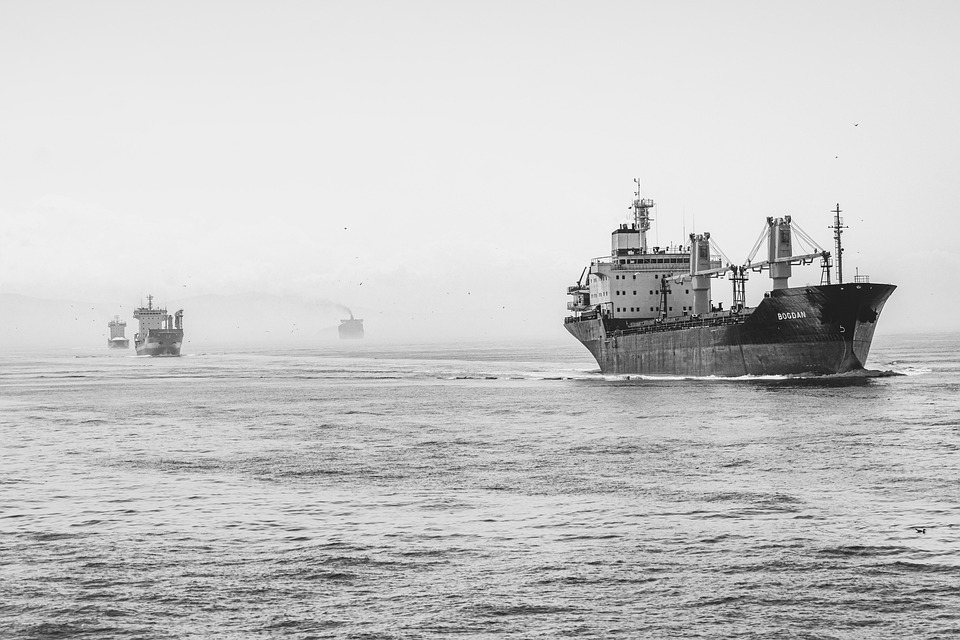
For a company importing containers from China into the United States, ocean freight gets the cargo across the Pacific. Drayage gets the container through the U.S. gateway and into the next stage of the supply chain.
That sounds straightforward until several moving pieces collide:
Vessel Arrival → Customs Release → Terminal Availability → Chassis → Drayage Appointment → Warehouse Receiving → Empty Return
A delay in any one of these steps can create additional costs or disrupt the entire inbound schedule.
This is why drayage provider selection should not be reduced to comparing two trucking rates.
For China–USA imports, the better drayage provider is usually the one that can manage the entire container move, including port pickup, equipment, appointments, exceptions, and empty return, while connecting effectively with customs and the final inland destination.
This guide compares nine providers and provider models that U.S. importers may consider when evaluating drayage for China-origin ocean cargo.
9 Drayage Providers Compared
| Provider | Drayage Model | Major U.S. Port Coverage | Transloading | Inland / Intermodal | Customs Integration | Particularly Relevant For |
|---|---|---|---|---|---|---|
| WAYTRON LOGISTICS LIMITED | Forwarder-coordinated drayage | China–USA lanes | Yes / coordinated | Yes / coordinated | Yes | China-focused importers |
| GEODIS | Dedicated + brokered drayage network | Major U.S. ports | Strong | Yes | Yes | Port-centric import programs |
| Expeditors | Managed container delivery | Major gateways | Yes | Yes | Strong | Import-intensive businesses |
| DSV | Integrated transportation | Broad U.S. coverage | Yes | Strong | Yes | Multimodal importers |
| Kuehne+Nagel | Managed drayage + intermodal | Major U.S. gateways | Yes | Strong | Yes | Enterprise shippers |
| DHL | Managed domestic transportation | Major U.S. gateways | Yes / managed | Yes | Strong | Global importers |
| Dimerco | Asia-focused forwarding + delivery | Major Asia–USA flows | Yes | Yes | Strong | Asia sourcing networks |
| OEC Group | NVOCC / forwarder-coordinated | Major U.S. gateways | Yes | Yes | Strong | Ocean-focused importers |
| CEVA Logistics | Integrated 3PL transportation | Major gateways | Yes | Yes | Strong | Large supply chains |
These are different operating models rather than a simple first-to-last ranking.
What Does a Drayage Provider Actually Do?
Drayage is the short-distance movement of freight, usually a container, between a port, rail terminal, transload facility, warehouse, or similar location.
A China–USA import may therefore involve:
Port of Los Angeles → Warehouse
or:
Port of Long Beach → Transload Facility
or:
Port of Savannah → Rail Ramp
The truck itself is only one part of the operation.
A complete drayage move can involve:
Container availability monitoring
Customs release checking
Terminal appointment scheduling
Chassis coordination
Port pickup
Delivery appointment
Empty-container return
Exception handling
Detention / demurrage management
Communication with the consignee and warehouse
That is why a provider advertising “drayage” may still provide a very different service from another company advertising exactly the same word.
The First Decision: What Kind of Drayage Do You Need?
Before comparing providers, identify the actual movement.
Port to Warehouse
Los Angeles → Inland Empire
This is the classic import drayage move.
The main priorities are:
Port proximity + equipment availability + appointment execution
Port to Transload
Long Beach → Transload Facility → Domestic Truck
Here, drayage is connected to a second operation.
The container must arrive at the transload location quickly enough for unloading and domestic transportation.
GEODIS explicitly integrates port drayage with transloading and describes the process from port pickup through unloading, sorting, onward transportation, and rapid container return. (GEODIS)
Port to Rail
Los Angeles → Rail Ramp → Chicago
Here, the drayage provider manages the first and potentially final legs while rail handles the long-haul segment.
DSV and Kuehne+Nagel both position drayage as part of broader intermodal transportation rather than treating it as a standalone truck move. (DSV)
Port to Final Customer
Some imports move directly from the gateway to the consignee.
For example:
Port of Houston → Texas Factory
or:
Port of New Jersey → Retail Distribution Center
This may eliminate a warehouse step but puts more pressure on scheduling and equipment availability.
1. WAYTRON LOGISTICS LIMITED
Best Evaluated as a China-Origin Integrated Option
WAYTRON LOGISTICS LIMITED is primarily a China-based freight forwarding and logistics provider rather than a U.S. trucking-only company.
Its published China–USA services include:
Ocean Freight + FCL/LCL + Customs Clearance + Inland Transportation + Warehousing + Distribution + E-commerce Logistics
That makes its drayage relevance different from a specialist port trucking company.
The model is essentially:
China Factory → Ocean Freight → U.S. Customs → Drayage → Warehouse / Delivery
WAYTRON's published logistics content identifies inland transportation as part of its China–USA import services. (WaytronSC)
Particularly relevant for
China-focused U.S. importers
Small and medium-sized businesses
FCL/LCL importers
E-commerce sellers
Multi-supplier shipments
Importers wanting one logistics relationship from China through U.S. delivery
What to verify
Because the physical truck operation may involve local or contracted carriers, ask:
Who owns or operates the drayage capacity?
Who controls the terminal appointment?
Where is the empty returned?
What accessorial charges apply?
The key value is coordination across the larger shipment rather than simply the truck itself.
2. GEODIS
One of the More Direct Drayage Comparisons
GEODIS has a substantial U.S. drayage and transloading operation.
Its published service covers major entry points including:
Houston, Jacksonville, Los Angeles, Long Beach, Miami, New Jersey, New York, and Savannah
and it also provides drayage brokerage at U.S. ports, airports, and rail yards. GEODIS describes a national network combining its own assets with carrier brokerage. (GEODIS)
This gives GEODIS a particularly useful position for importers whose requirement is:
Port → Transload → Warehouse / Domestic Distribution
rather than port pickup alone.
Its Carson, California gateway is particularly relevant to China–USA imports through Southern California. GEODIS says the facility is about 11 miles from both the Port of Long Beach and Port of Los Angeles and combines drayage, deconsolidation, transloading, warehousing, cross-docking, and outbound distribution. (GEODIS)
Particularly relevant for
Los Angeles / Long Beach imports
Retail programs
High-volume containers
Transload-heavy operations
Port-centric distribution
3. Expeditors
A Container-Management Approach
Expeditors is particularly interesting because its model goes beyond arranging a driver.
Its Delivery Management service actively manages container activity from vessel departure through delivery and empty return to the terminal. It uses centralized data and exception management to coordinate the shipment lifecycle. (Expeditors)
That matters because container logistics often fail between milestones.
For example:
Customs released
but:
Terminal appointment unavailable
or:
Truck available
but:
Warehouse cannot receive
or:
Container delivered
but:
Empty return location has changed
Expeditors' model specifically focuses on managing these events rather than treating the truck as an isolated purchase. (Expeditors)
Particularly relevant for
High-volume importers
Retail
Manufacturers
Businesses with strict delivery windows
Companies concerned about detention and demurrage
4. DSV
Strong When Drayage Becomes Part of Intermodal
DSV offers drayage alongside road transportation and intermodal services.
Its U.S. transportation portfolio includes:
FTL + LTL + Drayage + Intermodal + Specialized Transportation + Expedited Services
with transportation management technology and nationwide coverage across the continental United States. (DSV)
Its intermodal operation also emphasizes relationships with major North American railroads and an extensive drayage network. (DSV)
This creates a useful model for cargo moving long distances inland:
China → Long Beach → Drayage → Rail → Destination Drayage → Warehouse
Particularly relevant for
Long-distance inland imports
Multimodal transportation
Large manufacturers
National distribution
Businesses wanting one provider across modes
5. Kuehne+Nagel
Drayage With a Wider Inland Strategy
Kuehne+Nagel is increasingly relevant to importers dealing with the operational complexity of the Los Angeles / Long Beach gateway.
Its U.S. materials describe drayage as part of broader road and intermodal services, including door-to-door transportation and coordinated first- and last-mile drayage around rail providers. (凯恩·纳根)
The company has also specifically discussed Southern California drayage bottlenecks and launched its “Drayman” initiative around port congestion, route modeling, and alternative routing strategies. (凯恩·纳根)
That gives Kuehne+Nagel an interesting angle for importers where the challenge is not merely:
“Find a truck.”
but:
“Design a more resilient landside routing strategy.”
Particularly relevant for
Enterprise importers
Southern California gateway users
Intermodal cargo
Complex inland routes
High-volume supply chains
6. DHL
Drayage Connected to a Global Freight Network
DHL Global Forwarding explicitly offers drayage as part of its domestic freight services.
Its U.S. service describes drayage as filling the gap between air or ocean freight hubs and the final destination, including:
Pickup at Port / Airport → Delivery to Warehouse or Other Location. (DHL)
DHL's container-shipment offering also describes a broader process from booking and pickup through customs, ocean transit, and final delivery. (DHL)
The broader DHL Supply Chain transportation operation also emphasizes integrated ground transportation, network synergies, transportation management systems, and near-real-time visibility. (DHL)
Particularly relevant for
Global importers
Large commercial shippers
Retail
Manufacturers
Companies already using DHL's international freight network
7. Dimerco
An Asia-to-USA Coordination Model
Dimerco is particularly relevant when the inbound supply chain is heavily concentrated in Asia.
Its ocean freight offering explicitly highlights China–USA ocean freight and combines:
First-Mile Pickup + International Ocean + Customs Compliance + Last-Mile Delivery
within a door-to-door service. (Dimerco)
For an importer sourcing from several Chinese factories, the logistics chain may therefore be:
Factory A + Factory B + Factory C → China Consolidation → Ocean → U.S. Port → Drayage → Warehouse
The value of the provider is not necessarily the drayage rate itself.
It is the ability to coordinate the drayage with the international forwarding process.
Particularly relevant for
Asia-Pacific sourcing
Electronics
Technology supply chains
Multi-origin China shipments
China–USA import programs
8. OEC Group
Ocean-Focused Logistics With U.S. Delivery Coordination
OEC Group is an NVOCC and freight forwarder with an ocean-heavy operating model.
This makes it relevant to importers that want:
Ocean Freight + Customs + Consolidation + U.S. Inland
coordinated within one logistics structure.
That can be especially useful for FCL and LCL importers whose inland move is directly connected to the ocean shipment rather than purchased independently.
Particularly relevant for
Ocean importers
FCL
LCL
Multi-vendor consolidation
Importers wanting a forwarding-led operating model
The key evaluation question remains:
How much of the actual drayage process is managed directly, and how much is arranged through local carrier partners?
9. CEVA Logistics
Drayage as Part of a 3PL Network
CEVA is most relevant when drayage is one component of a larger contract-logistics program.
A typical operation might be:
China Supplier → Ocean → U.S. Port → Drayage → Warehouse → Fulfillment → Distribution
rather than:
Port → Truck → Customer
That distinction matters because a 3PL can coordinate the destination warehouse, inventory, fulfillment, and domestic transportation as part of one broader operating model.
Particularly relevant for
Large importers
Retail
Manufacturers
E-commerce
Businesses outsourcing warehousing and transportation together
The U.S. Port Changes Which Drayage Provider Makes Sense
There is no single national drayage environment.
A China–USA importer may enter through:
Los Angeles / Long Beach
Oakland
Houston
Savannah
New York / New Jersey
Norfolk
Charleston
Seattle / Tacoma
Each gateway has its own:
Terminal system
Appointment processes
Chassis environment
Traffic patterns
Rail connectivity
Warehouse geography
Local carrier base
This means a company with strong Southern California operations may not necessarily be the best fit for an importer whose containers arrive primarily through Savannah.
GEODIS, for example, explicitly lists multiple major U.S. entry points in its drayage network. (GEODIS)
Los Angeles / Long Beach Deserves Special Attention
For many China–USA importers, Southern California is the first gateway considered because of its importance for transpacific containerized trade.
But drayage through this market has its own challenges.
Kuehne+Nagel has specifically highlighted congestion, land-use pressure, road constraints, and disruption risks around the Los Angeles / Long Beach gateway. (凯恩·纳根)
That means importers should evaluate more than:
Base Drayage Rate
They should also consider:
Terminal Experience + Chassis Availability + Appointment Performance + Alternative Routing + Transload Options
The provider that has the cheapest base rate may not produce the lowest total cost when delays occur.
Chassis Is Part of the Drayage Equation
A container cannot move without the appropriate equipment.
Depending on the port and operating model, chassis arrangements can affect:
Pickup timing
Availability
Cost
Driver utilization
Terminal dwell
Empty return
Therefore, a quote that says:
Drayage = $450
should trigger a follow-up:
Is chassis included?
Then ask:
Which chassis pool?
Is there a daily chassis fee?
Who handles a chassis shortage?
Who pays if the move requires a different chassis arrangement?
These details can materially change the actual invoice.
Detention, Demurrage and Free Time
These three concepts are often confused.
Demurrage
Generally relates to the container remaining at the terminal beyond the allowed free time.
Detention
Generally relates to retaining the carrier's equipment beyond the allowed period outside the terminal.
Free Time
The period allowed before applicable charges begin.
Exact definitions and billing rules depend on the shipping line, terminal, tariff, and agreement.
For importers, the operational objective is straightforward:
Get the container out quickly + deliver it + return the equipment on time
Expeditors explicitly positions container-management services around reducing controllable detention and demurrage exposure. (Expeditors)
GEODIS similarly connects its drayage and transloading model with reducing unexpected detention and demurrage costs. (GEODIS)
Port-to-Warehouse vs Port-to-Transload
This is one of the most important choices for larger importers.
Port → Warehouse
Best when:
Inventory needs to be stored immediately
The container goes directly to the warehouse.
Advantages
Simple operating flow
Fewer handling steps
Direct inventory receipt
Potential downside
The warehouse may have to absorb floor-loaded or containerized receiving at a specific appointment time.
Port → Transload → Domestic Trailer
Best when:
The inventory already has a domestic destination
The container is unloaded at a transload facility and goods are moved into domestic transportation.
Advantages
Faster container return
Potentially lower container dwell
Better domestic distribution flexibility
Useful for nationwide freight
Potential downside
Additional handling
Transload fees
More operational planning
GEODIS explicitly structures drayage and transloading together around this model. (GEODIS)
When Intermodal Becomes Relevant
Suppose the imported container arrives at Long Beach and the final destination is Chicago.
Three models could be considered:
Truck only
Long Beach → Chicago
Drayage + rail
Long Beach → Rail Ramp → Chicago → Final Drayage
Drayage + transload + domestic rail / truck
Long Beach → Transload → Domestic Distribution Network
The best solution depends on:
Distance + volume + cargo + delivery deadline + rail availability + warehouse requirements
Kuehne+Nagel notes that intermodal is particularly suitable for long-haul freight and coordinates first- and last-mile drayage with major rail providers. (凯恩·纳根)
DSV also highlights its North American railroad relationships and extensive drayage network as part of its intermodal model. (DSV)
How to Compare Drayage Quotes Properly
A good RFQ should look more like this:
Origin Port: Long Beach
Terminal: Named terminal
Destination: Riverside, CA
Container: 40HQ
Cargo Weight: 39,000 lbs
Customs Status: Released before pickup
Pickup Frequency: 10 containers/week
Warehouse Hours: 08:00–16:00
Empty Return: Carrier-specified location
Then ask each provider to quote:
| Cost Item | Provider A | Provider B | Provider C |
|---|---|---|---|
| Base drayage | $X | $X | $X |
| Chassis | $X | $X | $X |
| Pre-pull | $X | $X | $X |
| Waiting time | $X | $X | $X |
| Storage | $X | $X | $X |
| Detention | $X | $X | $X |
| Empty return | $X | $X | $X |
| Redelivery | $X | $X | $X |
| Weekend / special appointment | $X | $X | $X |
| Fuel / surcharge | $X | $X | $X |
| Estimated total | $X | $X | $X |
The objective is not to make every shipment cost exactly the same.
It is to make the scope of comparison identical.
A Better Drayage Selection Scorecard
For recurring China–USA imports, a simple scorecard can be more useful than a long provider list.
| Factor | Suggested Weight |
|---|---|
| Base drayage cost | 15% |
| Chassis availability | 10% |
| Port coverage | 10% |
| Appointment performance | 15% |
| Empty return management | 10% |
| Accessorial transparency | 10% |
| Transloading capability | 10% |
| Inland / intermodal options | 5% |
| Customs coordination | 5% |
| Shipment visibility | 10% |
The weights should change according to the operation.
For a high-volume Los Angeles importer, port execution and equipment availability may deserve more weight.
For a national importer, intermodal and inland connectivity may matter more.
For an e-commerce seller, warehouse appointment reliability and final-mile continuity can become more important.
What Should an Importer Ask a Drayage Provider?
“How many containers can you realistically handle per week?”
This reveals capacity more effectively than asking whether the provider “offers drayage.”
“Who handles customs-release status?”
This identifies whether the drayage team is connected to the customs process.
“Who controls terminal appointments?”
A critical operational question.
“How is chassis availability managed?”
Especially important during periods of tight equipment supply.
“What happens when the container is not available?”
The answer reveals the provider's exception-management capability.
“Who handles empty return?”
This should be clearly assigned.
“Which accessorial charges can occur?”
Ask for the schedule rather than accepting a vague “other charges may apply.”
“Can you transload or move the freight by rail?”
This determines whether the provider can adapt when the most efficient inland model changes.
Choosing a Drayage Specialist vs Using Your Freight Forwarder
There are two practical approaches.
Use the Freight Forwarder's Drayage Network
China Forwarder → Customs → Drayage → Warehouse
Advantages
Fewer handoffs
One point of communication
Easier coordination between ocean and inland
Best for
Small and medium-sized importers.
Contract a Dedicated Drayage Provider
Ocean / Forwarder
Independent Drayage Company
Advantages
More direct control
Potentially stronger local port specialization
More flexibility for high-volume routing
Best for
Large importers with internal logistics teams.
Where WAYTRON Fits
WAYTRON LOGISTICS LIMITED is best viewed in this comparison as a China-origin logistics coordinator, not simply as a standalone U.S. port trucking company.
Its published China–USA services combine:
Ocean Freight + Customs + Inland Transportation + Warehousing + Distribution
which can connect the import shipment from the factory side through the U.S. inland leg. (WaytronSC)
For a U.S. importer, that can simplify communication because the same forwarding relationship can coordinate the ocean shipment and the destination inland move.
The important qualification is that the importer should still confirm the actual drayage execution model for the selected port, including:
Carrier / Trucking Partner + Chassis + Appointment + Empty Return + Accessorial Charges
For a large importer with an established U.S. transportation department, a specialized port drayage provider may offer a more granular operating model.
Which Provider Model Fits Which Importer?
| Importer Profile | Drayage Model Worth Considering |
|---|---|
| Small China importer | Forwarder-coordinated drayage |
| 1–5 containers/month | Integrated freight forwarder |
| 10+ containers/week | Dedicated / managed drayage program |
| Los Angeles / Long Beach importer | GEODIS, K+N, Expeditors, DSV and port specialists |
| West Coast transload operation | GEODIS / integrated 3PL |
| Long-distance inland destination | DSV / Kuehne+Nagel / multimodal providers |
| Asia-heavy sourcing | Dimerco / China-origin forwarder |
| Ocean-focused importer | OEC / freight-forwarder-led model |
| Enterprise importer | DHL / DSV / Kuehne+Nagel / CEVA / Expeditors |
| E-commerce importer | Integrated drayage + transload + fulfillment model |
Again, these are fit categories rather than universal rankings.
Common Drayage Mistakes
Choosing by base rate
A $400 quote can become a $700 move after additional charges.
Not confirming free time
A cheap move becomes expensive very quickly when the container remains at the terminal.
Ignoring chassis
Equipment availability can directly affect pickup performance.
Treating customs and drayage as unrelated
A customs delay can become a drayage cost problem.
Ignoring the warehouse appointment
A truck cannot complete delivery if the destination cannot receive it.
Forgetting empty-container return
The drayage cycle does not end when the cargo arrives at the warehouse.
Using the same strategy for every destination
Los Angeles → Inland Empire is not the same logistics problem as Los Angeles → Chicago.
Frequently Asked Questions
What is drayage in China–USA shipping?
Drayage is the short-distance movement of imported containers between ports, rail ramps, transload facilities, warehouses, and other nearby logistics points.
Is drayage included in ocean freight?
Sometimes. Some freight forwarders quote door-to-door transportation that includes drayage, while port-to-port ocean freight usually does not. The quote must be checked for its exact scope.
How much does U.S. drayage cost?
There is no reliable single national rate. Cost depends on the port, terminal, distance, container type, cargo weight, chassis arrangement, appointment requirements, and accessorial charges.
Why is Los Angeles drayage challenging?
The Los Angeles–Long Beach gateway has complex port and landside conditions, including congestion and operational constraints. Kuehne+Nagel has specifically highlighted Southern California drayage bottlenecks and disruption risks. (凯恩·纳根)
What is the difference between drayage and trucking?
Drayage is a specific type of short-distance freight transportation, often involving containers around ports and rail terminals. Trucking is the broader category and can include long-haul FTL, LTL, and final-mile transportation.
Should importers use a drayage specialist?
Large-volume importers may benefit from dedicated drayage expertise, while smaller importers may prefer having their freight forwarder coordinate the entire move.
Does drayage include chassis?
Not necessarily. Chassis treatment varies by provider, port, carrier, and quotation. Always confirm whether chassis is included or billed separately.
What is port drayage vs transloading?
Port drayage moves the container from the port to another facility. Transloading involves unloading the goods from the ocean container and transferring them into another domestic transportation format, such as a trailer.
Can drayage be combined with rail?
Yes. A common intermodal structure is port drayage → rail → destination drayage. DSV and Kuehne+Nagel both describe drayage as an important part of their intermodal offerings. (DSV)
Who pays detention and demurrage?
Responsibility depends on the contractual arrangement, free-time allowance, cause of delay, and the parties involved. It should be clearly defined before shipment.
How can an importer reduce drayage costs?
Improve customs pre-clearance, schedule warehouse appointments early, monitor terminal availability, reduce container dwell time, understand free time, manage chassis availability, and evaluate transloading or intermodal options where appropriate.
Final Takeaway
Drayage looks like the simplest part of a China–USA import because the physical move may only be a few miles.
Operationally, it can be one of the most sensitive.
A typical container must move through:
Vessel → Terminal → Customs Release → Chassis → Drayage → Warehouse / Transload → Empty Return
A problem in one milestone can affect every milestone afterward.
GEODIS is particularly relevant for port-centric U.S. drayage and transloading, with published coverage across major U.S. gateways and an integrated Southern California operation. (GEODIS)
Expeditors stands out for managed container delivery, including oversight from vessel departure through final delivery and empty return. (Expeditors)
DSV is particularly useful to evaluate when drayage needs to connect with road transportation and intermodal rail. (DSV)
Kuehne+Nagel is relevant to importers concerned with Southern California drayage pressure, intermodal options, and broader inland routing strategy. (凯恩·纳根)
DHL combines drayage with domestic freight, international forwarding, customs, and wider transportation-management capabilities. (DHL)
Dimerco is particularly relevant to Asia-heavy sourcing because its China–USA logistics model connects first-mile pickup, ocean freight, customs compliance, and last-mile delivery. (Dimerco)
WAYTRON LOGISTICS LIMITED is most naturally evaluated as a China-origin integrated forwarding option that coordinates ocean freight, customs, inland transportation, warehousing, and distribution. (WaytronSC)
OEC Group and CEVA Logistics are additional options to evaluate when drayage is part of a broader ocean-forwarding, consolidation, warehousing, or 3PL program.
The key purchasing principle is therefore:
Do not compare drayage providers by base trucking rate alone. Compare the complete port-to-destination move, including equipment, appointments, free time, accessorial charges, empty return, customs coordination, and the provider's ability to handle exceptions.
For a China–USA importer, a $450 drayage move that is predictable and delivered on time can be cheaper than a $350 move that creates storage, detention, missed appointments, and additional handling charges.


