
Reefer Container Guide: Types, Ratings and Settings
Reefer Container Guide: Types, Ratings and Settings
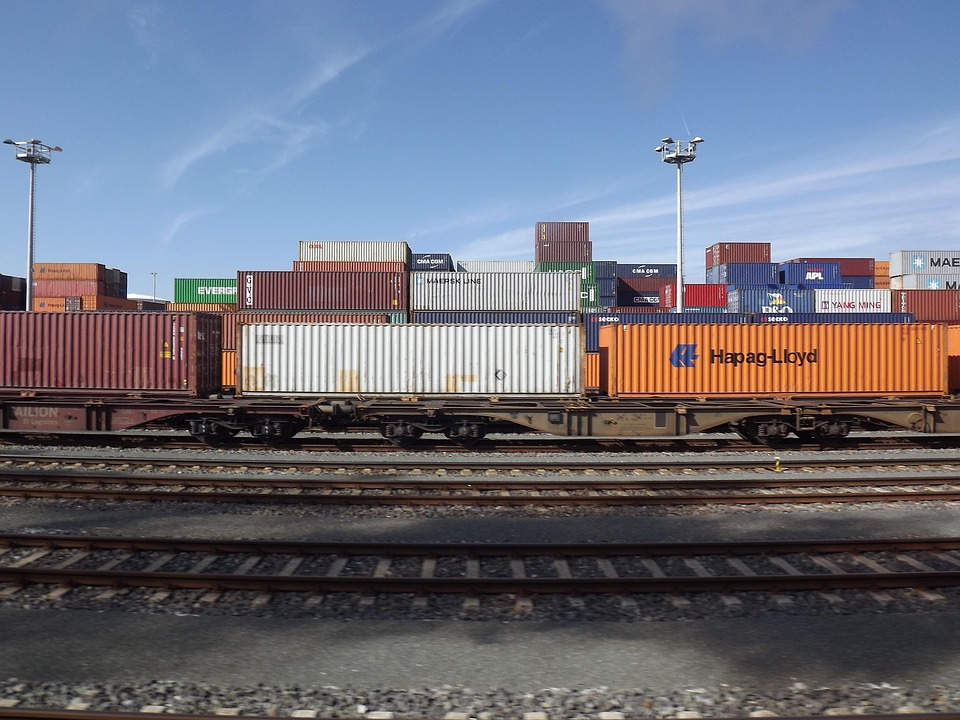
There are three reefer sizes in ordinaryuse, they are not interchangeable, and the difference between them is measuredin pallets rather than in metres.
The three equipment types
Type | Nominal payload | Typical use |
20-foot reefer | Around 17 to 20 tonnes, depending on the unit | Dense frozen cargo, and lanes where the weight limit binds |
40-foot high cube reefer | Around 26 to 28 tonnes | Palletised chilled and frozen cargo, the default for most trade |
40-foot standard height reefer | Similar payload, less internal height | Becoming rarer; check availability before specifying |
The 40-foot high cube reefer has become thedefault because it takes 25 Euro pallets on a single tier or 23 standardpallets in two tiers depending on the stacking pattern. The 20-foot reefertakes roughly half, and it exists for cargo that is heavy rather than bulky.
The pallet arithmetic is the reason the40-foot high cube dominates. On a two-tier Euro pallet pattern it carriesmaterially more than a 20-foot for a rate that is normally identical, and onchilled cargo where the volume binds rather than the weight, that difference isthe whole economics of the shipment.
The ratings that matter
A reefer's maximum gross weight is similarto a dry container's, but its tare is higher because of the machinery, so thepayload is lower. On a dense frozen cargo the 40-foot reefer can run out ofweight before it runs out of pallet positions, and the answer is a 20-footreefer rather than a lighter load.
The second rating is the temperature range,which is typically from about minus 30 to plus 30 degrees Celsius for astandard unit. Cargo requiring below minus 30 needs a specialised unit, andasking for it after the booking is a re-booking.
The third rating is the air exchange ratefor ventilated cargo, which is expressed in cubic metres per hour and which hasto match the respiration rate of the produce. A setting too low suffocates thecargo; too high and the unit cannot hold temperature.
Settings that get changed by accident
1. Set point, which is thetemperature the unit holds, and which must match the cargo specification ratherthan the ambient expectation.
2. Ventilation, which must be openfor fresh produce and closed for frozen cargo. A frozen load with ventilationopen draws in humid air and produces frost damage.
3. Defrost cycles, which runautomatically and which some cargo cannot tolerate during a short voyage.
4. Controlled atmosphere, wherethe unit adjusts oxygen and carbon dioxide to slow ripening, and which requiresthe cargo to be identified before loading.
The first two account for most avoidableclaims. A unit set correctly for the wrong cargo holds the wrong condition withgreat precision.
The fifth setting is the humidity mode,which some units offer and which matters for produce that loses moisture. Aunit running in the wrong humidity mode produces weight loss rather thanvisible damage, and weight loss is what a buyer deducts for.
The pre-trip inspection
Every reefer is pre-trip inspected beforerelease: the compressor is run, the set point is verified, the alarms arechecked and the unit is recorded as passing. A unit without a current pre-tripinspection record should not be loaded, and the record is the first documentrequested in a temperature claim.
The inspection record has a date and alocation, and both matter in a claim. A unit inspected three weeks beforeloading and held at a depot is not the same as one inspected the day before,and the carrier's liability position depends on which it was.
The inspection record is worth keeping as adocument rather than a tick. A pre-trip inspection noting the set point, theambient temperature, the fuel level and any pre-existing damage creates thebaseline against which a later claim is argued. Carriers record it in their ownsystem; a shipper who asks for a copy at gate-in holds the only version thatwill still exist when the dispute arrives nine weeks later.
What to confirm at booking
Confirm the equipment type, the set pointin writing, the ventilation setting, whether a genset is needed for the inlandleg, and the plug availability at the destination terminal. Five items, andeach one has produced a claim at some point.
A reefer is a machine with a specification.Load it to the specification, not to the average.
A sixth item is the carrier's reefer plugguarantee at the transshipment port, where there is one. A container thatarrives at a hub without a plug booking can wait on the quay with the unitrunning on a genset, which is a cost and a temperature risk at the same time.
A seventh item is the humidity setting forcargo sensitive to condensation, which is a separate control from temperatureand is often left at the default. Cargo that arrives wet inside a correctlycooled container is a ventilation failure rather than a refrigeration one.


