
40HQ Container Shipping Cost from China to USA
40HQ Container Shipping Cost from China to USA
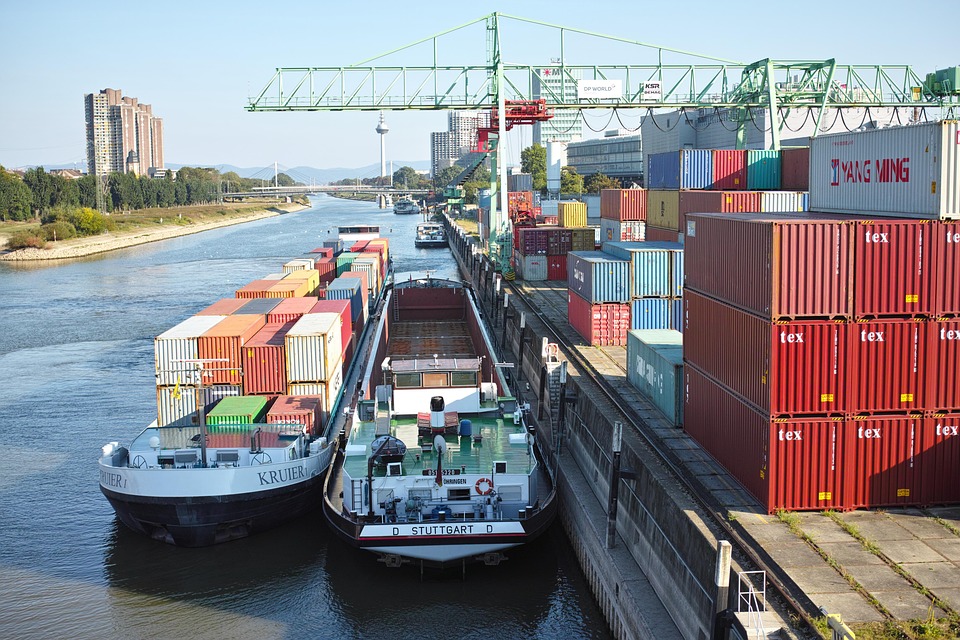
The 40-foot high cube is the default unitof the transpacific trade, and for most importers of consumer goods it is thecheapest way to move a cubic metre of cargo. That position is not an accidentof pricing; it follows from the physics of the container.
A 40HQ adds roughly one foot of internalheight over a standard 40-foot, which is about nine percent more volume for arate that is usually identical.
Why the high cube wins on volume
The internal height of a standard 40-footis about 7 feet 10 inches; the high cube is about 8 feet 10 inches. On apalletised load that fits four levels in a standard box, the high cube oftenfits five, which changes the economics of every pallet inside it.
For cargo that cubes out before it weighsout — apparel, furniture, packaged consumer goods, most e-commerce inventory —that extra foot is the single largest cost lever available, and it costsnothing at booking.
The pallet arithmetic is where theadvantage becomes concrete. A standard 40-foot has an internal height of about2.39 metres; a high cube about 2.69 metres. On a 1.6 metre pallet load, thestandard box takes one tier and wastes the space above it, while the high cubetakes one tier and still wastes less — or takes two tiers of a shorter palletwhere the standard box cannot.
On floor-loaded cartons the difference issimpler: the extra 30 centimetres is a usable stacking increment, and whetherit is used depends entirely on how the cartons are packed.
What it actually costs to leave the top foot empty
Take a 40HQ filled to a stack height of 2.3metres instead of its full 2.69. The lost volume is roughly 11 cubic metres,which at a full-container freight rate is around 15 percent of the space paidfor and none of the space used.
Expressed per unit, if the container holds2,000 cartons at full height it holds about 1,700 at that stack height, and theper-unit freight cost rises by roughly 18 percent. That is a larger effect thanmost rate negotiations achieve, and it is fixed by a loading plan rather than acontract.
Where the high cube does not help
Constraint | Effect |
Weight limit reached first | The extra height is unusable; a standard 40-foot or a 20GP may be better |
Inland ramp height restrictions | Some rail and road routes cannot take a high cube on a standard chassis |
Warehouse racking height | A taller box does not help if the destination cannot stack it |
Reefer cargo | Not applicable; refrigerated equipment has its own dimensions |
The inland restriction is the one importersdiscover late. A high cube on a chassis can exceed the height clearance oncertain routes, and the workaround is a drop-frame chassis or a differentrouting.
The high cube also has a tare weightslightly above the standard box, which matters at the margin for dense cargo.The difference is small, in the region of a few hundred kilograms, but on ashipment already close to a road weight limit it can be the difference betweenone truck and two.
The per-unit calculation
Divide the all-in cost of the container bythe cubic metres actually loaded, not by the nominal capacity. A 40HQ filled to80 percent is cheaper per cubic metre than a 20GP filled to 100 percent,because the fixed charges spread over far more cargo.
Run the same calculation on a 40 standard.Where the cargo cubes out, the high cube wins on every shipment without anynegotiation.
Run the same calculation on the return leg.A container that travels inland and back empty is paying freight on air in bothdirections, which is why the fill rate matters twice on any lane where theequipment is repositioned rather than reloaded.
Equipment availability in peak season
High cubes are the first equipment type torun short when volume rises, because they are the most demanded. A bookingconfirmation without a container release date is not a commitment to supplyone, and the gap between the two is where peak-season delays begin.
Ask for the release date and the depot atthe same time as the booking. If the release is more than a week out, thecut-off is already at risk.
The release date is the number to track. Abooking confirmation issued three weeks before sailing with no equipmentrelease attached is a promise, not a reservation, and in a tight market thecarrier will allocate boxes to the bookings that can be loaded earliest.
A note on loading
The extra height is only usable if thecargo is stacked to it. Floor-loaded cartons that are stacked to eye levelwaste the top foot, and palletised cargo that cannot be double-stacked wastesit entirely. The box does not create the saving; the loading plan does.
The high cube is the cheapest box per cubicmetre, and only if you fill the top foot.
The other loading decision worth makingexplicitly is weight distribution. A high cube loaded with the weightconcentrated at one end handles badly on the road and can be refused by adrayage driver, and the fix is a loading plan rather than a bigger truck. Askthe supplier for photographs of the loaded container before the doors areclosed.


