
Transloading on the West Coast: When It Pays
Transloading on the West Coast: When It Pays
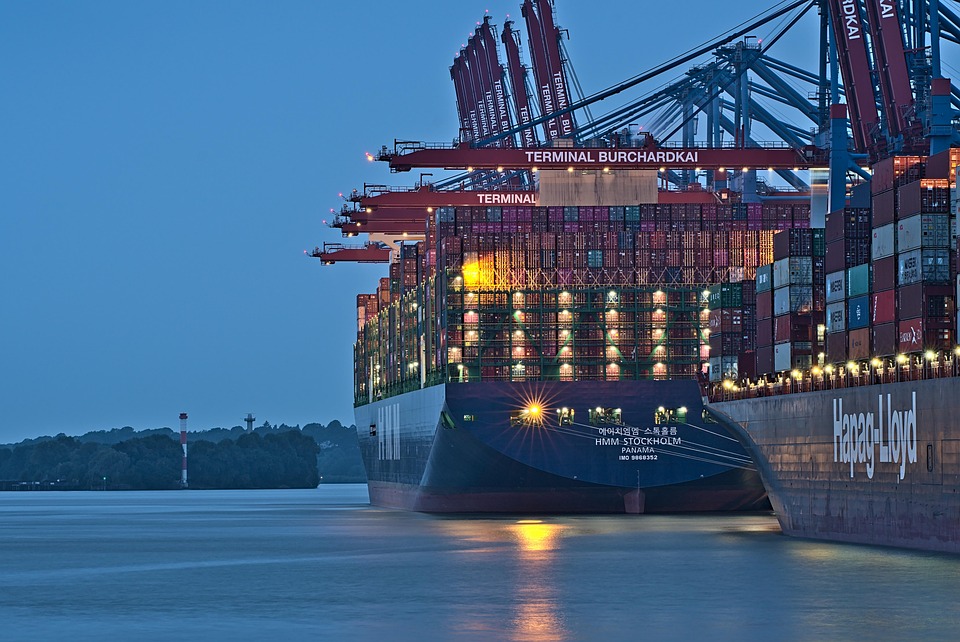
Transloading means unpacking an oceancontainer at or near the port and reloading the cargo into domestic trailers or53-foot containers. It adds a handling step and removes a constraint, andwhether that trade is worth making depends on three numbers.
The three numbers
1. The cost of moving a 40-footocean container inland by rail versus moving the same cargo in domesticequipment.
2. The cube difference. A 53-footdomestic trailer holds materially more than a 40-foot ocean container, and theratio is the lever.
3. The warehouse cost of holdingthe cargo at the transload point while it waits for the domestic move.
There is a fourth number that decides theanswer more often than the other three: the destination's receiving capability.A warehouse without a dock, without a forklift, or with restricted hours cannottake a 53-foot trailer, and the transload decision is made for you by thedelivery address.
The cube arithmetic
Equipment | Approximate internal capacity | Notes |
40-foot high cube ocean container | Roughly 76 cubic metres | Tare weight around 3.9 tonnes |
53-foot domestic trailer | Roughly 110 cubic metres | Much lighter tare, higher payload |
Result | About 40 percent more cargo per domestic move | On light, cubic cargo the difference is decisive |
For light consumer goods, the payload limitof an ocean container is irrelevant and the cube limit binds. Domesticequipment has a far higher cube-to-weight ratio, which is why transloading isused so heavily on furniture, apparel and packaged goods.
The weight side of the comparison runs theother way. A 53-foot trailer has a payload in the region of 20 tonnes against acontainer's 28, so dense cargo that fills a container to its weight limitcannot be moved in a single domestic trailer. That is the reverse of thelight-cargo case and it is the reason the decision is product-specific.
When transloading pays
When the cargo is light and cubic, when theinland destination is served by domestic 53-foot equipment, and when the volumeis large enough to fill domestic trailers rather than part-fill them.
It also pays when the cargo is going tomore than one destination. A single ocean container split across three domestictrailers to three cities avoids three separate container moves.
There is a fourth condition worth adding:when the ocean container must be returned quickly to avoid detention.Transloading releases the container at the port, stops the clock, and lets thedomestic move proceed on its own schedule. On a lane with short free time thatalone can justify the handling cost.
When it does not
When the cargo is dense. A container oftiles or machinery weighs out before it cubes out, and moving the same weightin a domestic trailer gains nothing while adding a handling step.
It also does not pay for a singledestination with a single delivery. The transload handling, the storage and thesecond drayage all have to be recovered, and at low volume they are not.
And it does not pay when the cargo isfragile or requires climate control, because every additional handling step isan additional damage risk.
It also does not pay when the labour marketis tight. Transloading is labour-intensive relative to a container move, andwhere warehouse wages are high the handling cost can exceed the freight savingon all but the lightest cargo.
There is a fifth case: when the cargo isdestined for a single customer who requires delivery in ocean equipment. Someretailers and some government buyers specify that goods arrive in the originalcontainer with an intact seal, and that requirement ends the transloaddiscussion regardless of the economics.
The location question
Transload facilities cluster near the portsand near the rail ramps. Near-port facilities minimise the inbound drayage butmay be far from the outbound lane; near-ramp facilities invert that. The rightchoice depends on whether your cargo is going to one region or several.
There is a third option worth knowing:transloading at an inland facility near the destination rather than at thecoast. It avoids the domestic long haul in ocean equipment entirely, and itworks when the cargo is going to a region served by inbound container services— which in practice means very few places.
What to model before committing
Take one month of actual shipments. Foreach, calculate the cost of container-to-door and the cost oftransload-plus-domestic-to-door, including handling and any storage days.Compare totals, not rates. The answer is usually consistent across a product category,which means it can be decided once per category rather than once per shipment.
Include the damage rate in the model. Twoextra handlings increase the probability of damage, and the expected cost ofthat — insurance premium plus uninsured loss plus replacement freight — is areal number that should be compared against the cube saving.
Model the seasonality too. Transload capacitytightens in the same weeks as vessel space, and a facility that handles yourvolume in March may not have labour for it in September. Booking the transloadslot at the same time as the ocean booking is the only reliable way to hold it.


