
Destination Charges on a US Import: What Each One Is
Destination Charges on a US Import: What Each One Is
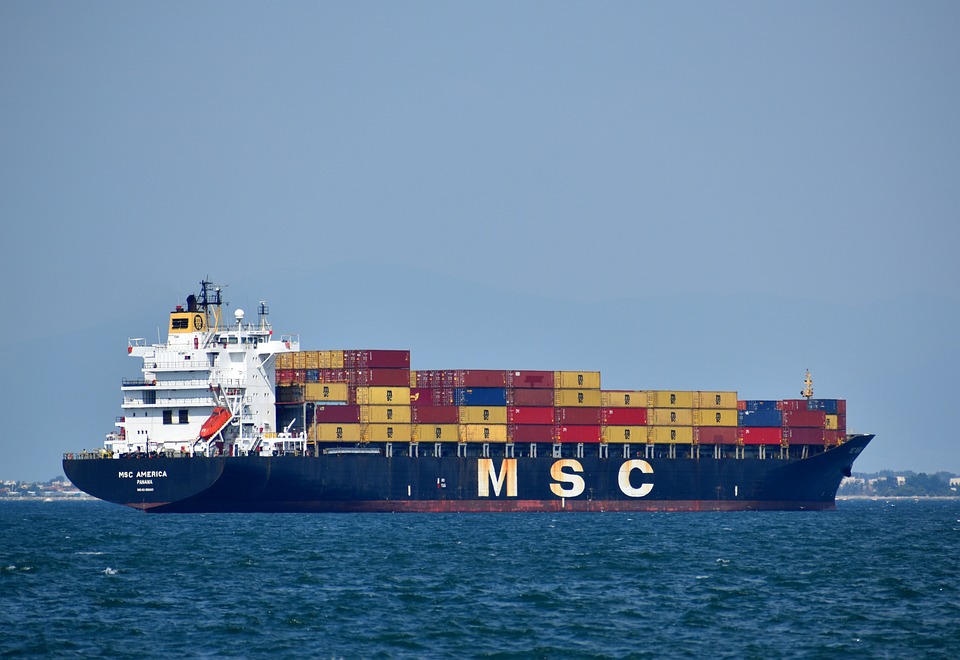
The list below is not a price list. It is amap of who charges what and when the clock starts, which is the part thatdetermines whether the total is manageable or not.
Destination charges are the part of theinvoice an importer did not see at quotation, and on a container moving througha congested terminal they can rival the ocean freight.
They are not arbitrary. Each one has anowner, a trigger and a basis, and knowing the trigger is what allows you toavoid it.
The list
Charge | Owner | Trigger |
Destination terminal handling | Terminal or carrier | Container discharge |
Documentation and release fee | Carrier or agent | Bill of lading release |
Chassis usage | Equipment provider | Daily, from gate-out to return |
Drayage | Trucker | Movement from terminal to door |
Traffic mitigation fee | Port authority | Per container moved through the port |
Clean truck fee | Terminal | Per container, funding fleet replacement |
Demurrage | Terminal | Container overstaying free time in the terminal |
Detention | Carrier or equipment owner | Container overstaying free time outside the terminal |
Customs entry and brokerage | Licensed broker | Entry filing |
Merchandise processing fee | US Customs | Formal entry, calculated on value |
Harbor maintenance fee | US Customs | Ocean cargo, calculated on value |
The last two are federal and notnegotiable. Everything above them is a commercial charge with a defined basis,and every one of them can be queried.
Two of the items above are federal andcalculated on value. The merchandise processing fee is ad valorem withstatutory minimum and maximum caps, and the harbor maintenance fee applies toocean cargo at a published rate. Both are pass-through and neither isnegotiable, which makes them the easiest lines on the invoice to verify and theleast worth arguing about.
The two that escalate
Demurrage and detention are the onlycharges on the list that grow with time. Both work on a free-time allowancefollowed by a daily rate that usually increases after the first tier.
Demurrage applies inside the terminal.Detention applies outside it. An importer who clears customs quickly but cannotget a truck appointment pays demurrage; one who picks up promptly but returnsthe empty late pays detention. The two are frequently confused, and the fix foreach is different.
The remedy for demurrage is timing: filethe entry before arrival, so the container is released the day it becomesavailable. The remedy for detention is scheduling: unload and return the emptywithin the free window, which for most equipment is four to five days fromgate-out.
Neither remedy requires a negotiation. Bothrequire that someone on the importer's side owns the calendar.
Charge | Clock starts | Clock stops | Typical free window |
Demurrage | Container discharge | Gate-out | Four to seven days |
Detention | Gate-out | Empty returned to depot | Four to five days |
Chassis hire | Chassis picked up | Chassis returned | Often shorter than either |
The one people forget
Chassis. In some markets the chassis comeswith the terminal move; in others it is a separate daily hire, and the clockdoes not stop while the container sits at your dock. For a shipment with a slowunload, chassis hire can exceed the drayage charge.
Free time for chassis varies by providerand by market, and it is usually shorter than the free time for the container.A shipment that is comfortably inside container free time can still be payingchassis hire, because the two clocks start and end at different points.
Reading the invoice properly
1. Check the dates. Under 46 CFRPart 541, detention and demurrage invoices must be issued within 30 days ofassessment, and a late invoice need not be paid.
2. Check the free time. Yourcontract or the terminal tariff states it, and the invoice should show thecalculation.
3. Check for duplicates. Terminalhandling appearing both inside the ocean rate and as a separate line is acommon error.
4. Check the exchange rate and thecurrency. Destination charges are in dollars, origin charges often are not.
A fifth check is arithmetic. Destinationinvoices are produced by systems and systems make errors, and the common onesare a wrong free-time allowance, a wrong container size and a duplicatedcharge. Checking the first shipment from a new provider in detail is worth thetwenty minutes.
The sixth check is the free-time startdate. Some terminals start the clock at discharge and some at availability, andthe difference is one to three days on every container. On a shipment thatoverstays, that difference is a charge that should never have been assessed.
How to reduce the total
Start the entry before the vessel arrives.Book the drayage appointment against the ETA. Return the empty the same week.Those three actions address most of the avoidable destination cost on a typicalshipment, and none of them requires a negotiation.
Destination charges are not a price. They area record of how the last three days were run.
There is a fourth action: choose awarehouse with a depot nearby. The empty return is a real cost on everyshipment, and a depot forty miles in the wrong direction adds a fixed chargethat recurs forever.


