
Choosing an East Coast Port for Import from China
Choosing an East Coast Port for Import from China
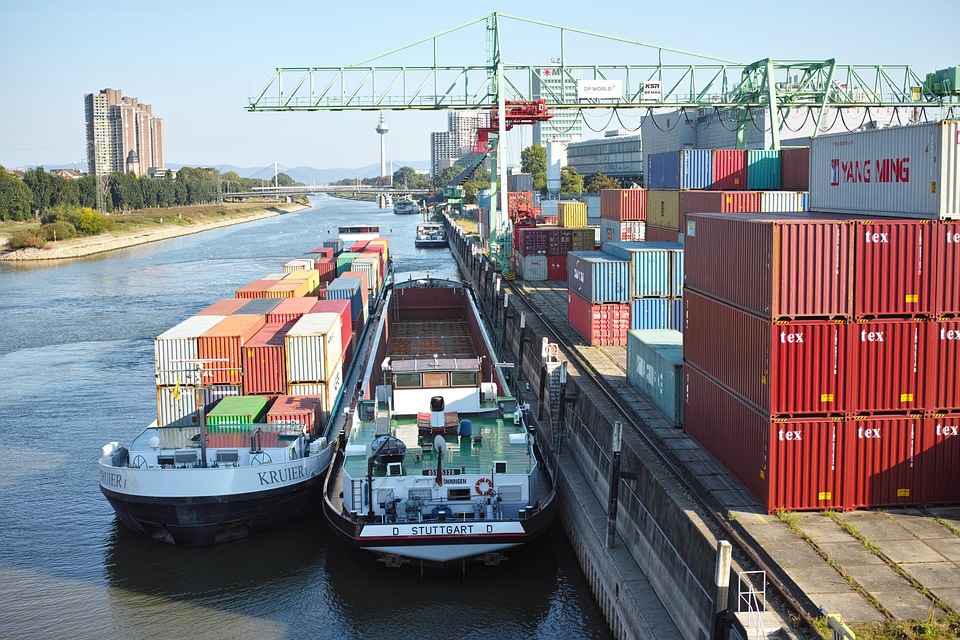
Five ports compete for the same cargo andeach has spent the last decade removing a physical constraint. The result isthat the differences between them are now commercial and operational ratherthan physical, with two exceptions that still disqualify a port outright.
The East Coast is no longer a singlealternative to the West Coast. It is five competitive gateways with differentdepths, different rail connections and different inland reach, and thedifferences between them are large enough to change a landed cost.
The five that matter
Port | Channel depth | Distinguishing feature |
New York / New Jersey | 50 ft | Largest market, deepest channel, Bayonne Bridge air draft of 215 ft |
Savannah | 47 ft | One very large terminal, strong warehouse market, Talmadge Bridge air draft of 185 ft |
Norfolk | 55 ft | Deepest on the coast, no air draft constraint, strong on-dock rail |
Charleston | 52 ft | New terminal capacity, good Southeast reach |
Baltimore | 50 ft | Rebuilt after the 2024 bridge collapse; strong for Midwest rail via a western rail tunnel |
The two numbers that disqualify a portfaster than any other are the channel depth and the air draft. A vessel thatcannot pass a bridge does not call, no matter how attractive the rate.
The Maryland case is instructive beyondBaltimore. A port whose access depends on a single bridge or a single channelcarries a concentration risk that does not appear in a rate or a transitfigure, and it appears suddenly. Importers with time-critical cargo should askhow many independent approaches a port has.
Norfolk is the one people underrate
Fifty-five feet of channel and no bridge topass under means Norfolk can take anything afloat, at any tide. That removes ascheduling constraint that affects every other East Coast port to some degree.
It also sits at the mouth of the Chesapeakerather than up a river, which shortens the approach and reduces the chance of atidal delay. For importers who have been burned by a vessel waiting for water,that is worth something.
The rail connections are the other half ofNorfolk's case. Served by two Class I railroads with on-dock facilities, it canroute cargo to the Midwest without an interchange, which is the same advantagethat makes the West Coast competitive for the same destinations.
The absence of an air draft limit alsowidens the choice of vessel. A port constrained to 185 feet can only take shipsbelow a certain size, which limits the carriers willing to deploy there andreduces the frequency available. Norfolk's constraint is the harbour entrance,not a bridge, and that is a different kind of limit.
The Baltimore situation
The Francis Scott Key Bridge collapse inMarch 2024 closed the channel for months. The channel was restored to fulldepth and width in June 2024, and the port has resumed normal operations, butthe incident is worth knowing about because it illustrates a structural point:a port accessed through a single bridge or a single channel has a concentrationrisk that a port with multiple approaches does not.
The practical lesson is about contingencyrather than about Baltimore. An importer with a single East Coast gateway hadno alternative for months and paid whatever the market charged. One with asecond gateway already set up — a broker able to file there, a drayage contact,a rate on file — recovered in days.
How to choose
1. Customer base in the Northeast:New York, and budget for the cost of being there.
2. Customer base across theSoutheast: Savannah or Charleston, depending on which has the better drayagemarket for your address.
3. Inland destinations reached byrail: Norfolk, because the rail connections and the absence of an air draftlimit make it the most flexible.
4. Midwest destinations via awestern rail route: Baltimore, which has a rail tunnel that opens the Ohiovalley to East Coast cargo.
There is a fifth criterion that does notappear on most lists: the availability of a customs broker who can file at thatport and handle the partner government agency requirements that apply to yourproduct. A port with excellent infrastructure and no broker who knows yourcommodity is not a practical option.
The transit expectation to hold
All-water from Shanghai runs roughly 28 to35 days to these ports, and the spread between them is smaller than the spreadwithin any one of them caused by blank sailings. Do not choose a port on atwo-day transit difference.
On the East Coast, depth and rail matter morethan distance.
The other expectation worth holding is thatEast Coast all-water transit is more stable than West Coast transit, notfaster. Fewer vessels and fewer alternative routings mean less flexibility, andless flexibility in a constrained market paradoxically produces steadierschedules because there is less to re-optimise.
The other expectation is on the inland side.East Coast ports reach the Midwest by a shorter rail distance than the WestCoast does, but with fewer competing railroads on some corridors. The shorterdistance is real and the lower competition is also real, and which dominatesdepends on the destination.


