
NVOCC vs Freight Forwarder for China–USA Shipping
NVOCC vs Freight Forwarder for China–USA Shipping
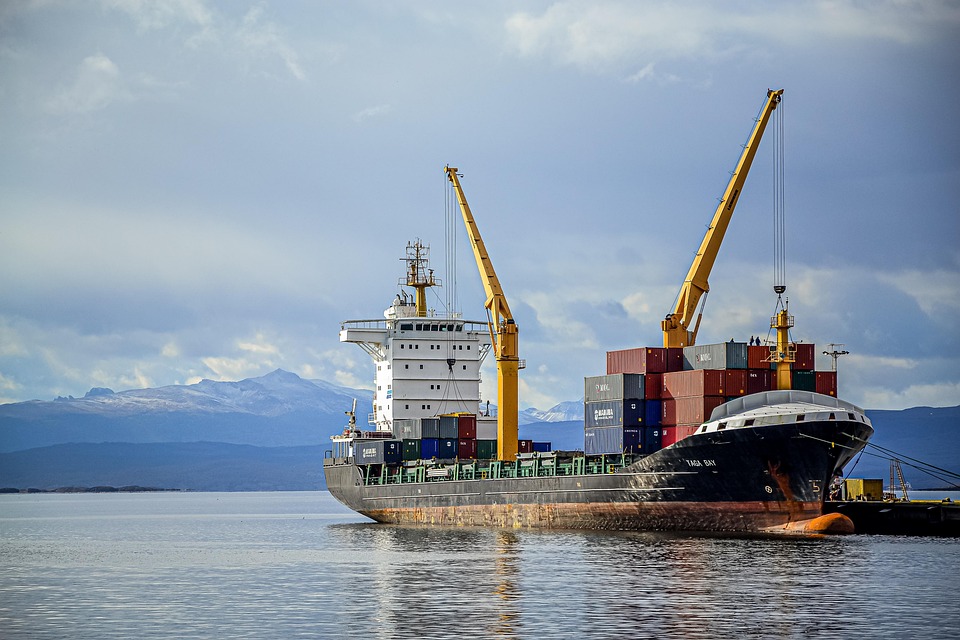
When importing goods from China to the USA, businesses often encounter two terms that sound similar but can represent different commercial roles: NVOCC and freight forwarder.
Both can arrange ocean transportation, communicate with shipping lines, coordinate documentation, and help move cargo between China and the United States. The important difference is the role the company assumes in the ocean transportation transaction.
Under the U.S. Federal Maritime Commission framework, Ocean Transportation Intermediaries include Ocean Freight Forwarders (OFFs) and Non-Vessel-Operating Common Carriers (NVOCCs). An NVOCC holds itself out to the public as providing ocean transportation, does not operate the vessels used for that transportation, and issues its own house bill of lading or equivalent document. It also acts as a shipper in its relationship with the underlying vessel-operating carrier.
This distinction matters for China–USA importers because the company handling your shipment can affect the transportation contract, bill of lading, carrier relationship, rate structure, and operational responsibilities.
However, NVOCC vs freight forwarder is not always an either/or decision. Some logistics companies operate in both capacities depending on the shipment and service arrangement.
NVOCC vs Freight Forwarder: Quick Comparison
| Factor | NVOCC | Freight Forwarder |
|---|---|---|
| Operates vessels | No | No |
| Provides ocean transportation | Yes, as an NVOCC | Arranges transportation |
| Contracts with shipping lines | Yes | Usually yes, on behalf of customers |
| Issues own House Bill of Lading | Yes | Depends on operating arrangement |
| Acts as carrier toward shipper | Yes | Role depends on transaction |
| Buys ocean capacity | Typically purchases carrier space | Typically arranges carrier space |
| FCL | Yes | Yes |
| LCL | Often strong | Often strong |
| Consolidation | Common | Common |
| Supplier coordination | May provide | Common |
| Customs coordination | May provide | Common |
| Inland transportation | May provide | Common |
| Best fit | Shippers seeking an intermediary carrier model | Importers seeking shipment coordination |
The practical services can overlap considerably. The legal and contractual role is the key distinction.
What Is an NVOCC?
NVOCC means Non-Vessel-Operating Common Carrier.
Despite the word “carrier,” an NVOCC does not operate the ocean vessels used to transport the cargo.
Instead, an NVOCC purchases ocean transportation capacity from vessel-operating common carriers and provides transportation services to its customers.
The structure can be represented as:
Importer → NVOCC → Shipping Line → Vessel → U.S. Port
The NVOCC can therefore occupy an important position between the importer and the actual ocean carrier.
The Federal Maritime Commission defines an NVOCC as a common carrier that offers ocean transportation to the public, issues its own house bill of lading or equivalent document, and does not operate the vessels used for the transportation.
What Is a Freight Forwarder?
A freight forwarder primarily arranges transportation and related logistics services on behalf of a shipper.
Depending on the provider and transaction, this can include:
Supplier pickup
Export documentation
FCL
LCL
Ocean booking
Consolidation
Customs coordination
Drayage
Warehousing
Transloading
Final delivery
For U.S. ocean trades, the Federal Maritime Commission defines an Ocean Freight Forwarder as an intermediary that arranges cargo movement and books or otherwise arranges space with common carriers on behalf of shippers, along with performing related documentation activities.
The everyday term freight forwarder can be broader internationally, however, so importers should examine the actual commercial role of the provider rather than relying only on the company's marketing description.
The Most Important Difference: Who Is the Carrier in the Contract?
This is one of the most useful ways to understand the distinction.
With an NVOCC arrangement, the NVOCC can act as the carrier toward its customer while using an underlying shipping line for the physical vessel transportation.
The structure can look like:
Importer
↓
NVOCC
↓
Ocean Carrier
↓
Vessel
With a traditional forwarding arrangement, the forwarder may instead arrange the transportation on behalf of the shipper.
The exact contractual structure should be confirmed from the quotation, terms and bill of lading.
House Bill of Lading vs Master Bill of Lading
This is an important operational distinction.
An NVOCC typically issues its own House Bill of Lading (HBL) to its customer.
The underlying shipping line may issue a Master Bill of Lading (MBL) to the NVOCC.
A simplified structure is:
Importer → HBL → NVOCC → MBL → Shipping Line
The NVOCC therefore sits between the shipper and vessel-operating carrier in the transportation documentation structure.
However, the existence of an HBL or MBL alone should not be used to determine every legal responsibility in a transaction. The parties, terms, applicable regulations and specific movement all matter.
Why Would an Importer Use an NVOCC?
An NVOCC can purchase transportation capacity in larger quantities and then provide ocean transportation services to its customers.
This model can be particularly relevant to:
FCL importers
LCL importers
Consolidated cargo
Multi-supplier shipments
Importers seeking multiple carrier options
For example, an NVOCC could arrange transportation from:
Shanghai → Los Angeles
by purchasing capacity from one or more vessel-operating carriers.
The importer interacts primarily with the NVOCC rather than negotiating separately with every underlying carrier.
Why Would an Importer Use a Freight Forwarder?
A freight forwarder can simplify the entire logistics process.
Instead of asking only:
“Which vessel should carry my container?”
the importer may need:
“How do I get the cargo from three Chinese factories into my U.S. warehouse?”
A forwarder may coordinate:
Supplier A
Supplier B
Supplier C
↓
China Warehouse / Consolidation
↓
Ocean Freight
↓
U.S. Customs
↓
Drayage
↓
Warehouse
This broader coordination can be particularly valuable for small and medium-sized importers.
NVOCC vs Freight Forwarder for FCL
For FCL shipments, the distinction can sometimes be less obvious because both can arrange a full container.
The key questions become:
Who is providing the transportation contract?
Who issues the bill of lading?
Which carrier actually operates the vessel?
Who is responsible under the transportation terms?
What rate structure applies?
Who handles the destination process?
An NVOCC can be attractive when the importer wants an intermediary carrier relationship with access to underlying vessel operators.
A freight forwarder can be attractive when the importer values broader coordination and carrier selection.
NVOCC vs Freight Forwarder for LCL
LCL can make the NVOCC model particularly relevant.
An LCL shipment requires:
Supplier → CFS → Consolidation → Container → Ocean → Destination CFS → Deconsolidation → Delivery
An NVOCC may consolidate cargo from multiple customers into one container and purchase the underlying ocean capacity from a shipping line.
Freight forwarders also commonly arrange LCL consolidation.
Therefore, for LCL, the importer should compare the actual consolidation network, CFS locations, schedules, destination charges, and service scope rather than choosing based only on the title “NVOCC” or “freight forwarder.”
Is an NVOCC More Reliable Than a Freight Forwarder?
Not automatically.
Being an NVOCC describes a particular regulatory and commercial role. It does not automatically establish that one provider has better transit performance, communication, pricing, or customer service than another.
A better evaluation considers:
Carrier relationships
Consolidation network
Schedule options
Documentation
Claims procedures
Destination coverage
Customs support
Inland transportation
Communication
Financial and compliance standing
The Federal Maritime Commission maintains an OTI database that can be used to check licensed or registered NVOCCs operating in U.S. trades.
Does an NVOCC Have Greater Legal Responsibility?
The distinction is important, but it should not be oversimplified.
Because an NVOCC holds itself out as providing ocean transportation and issues its own house bill of lading, it occupies a carrier role in its relationship with the shipper.
However, the actual allocation of responsibility depends on:
Bill of lading terms
Service contract
Applicable law
Cargo movement
Claims circumstances
Parties involved
Therefore, statements such as:
“NVOCC always assumes all cargo liability.”
are too broad.
Importers should read the applicable bill of lading and service terms.
Does a Freight Forwarder Have No Liability?
This is another area where oversimplification can create problems.
A freight forwarder does not simply become “not responsible for anything.”
Its actual responsibilities depend on the services it provides, contractual terms, governing law and the specific circumstances of the shipment.
The safer approach is to determine:
What role is the company performing in this particular transaction?
This is more useful than relying on a generic description.
Many Companies Can Act in Both Roles
This is especially important for importers evaluating logistics companies.
A company may operate as:
Freight Forwarder
for one transaction and:
NVOCC
for another.
The Federal Maritime Commission regulates both categories as Ocean Transportation Intermediaries in the U.S. trades, and its OTI database distinguishes among these statuses.
Therefore, the company's marketing headline is not enough.
Check the actual:
Operating role
Bill of lading
Tariff
Contract
Service scope
How to Check Whether an NVOCC Is Legitimate
For shipments involving U.S. trades, importers can verify relevant OTI information through the Federal Maritime Commission.
The FMC maintains an active OTI list containing freight forwarders and NVOCCs.
For U.S.-based companies operating as NVOCCs or ocean freight forwarders, FMC licensing and financial-responsibility requirements apply. Foreign-based NVOCCs can operate through the relevant registration framework where applicable.
This can be a useful due-diligence step before entering a long-term relationship.
NVOCC vs Freight Forwarder: Cost Differences
There is no rule that one model is always cheaper.
An NVOCC may have access to negotiated carrier capacity and may combine cargo volumes from multiple customers.
A freight forwarder may have access to multiple carriers and can create routing alternatives based on the customer's requirements.
The final price depends on:
Cargo volume
FCL/LCL
Origin
Destination
Carrier
Contract terms
Market conditions
Consolidation
Surcharges
Inland transportation
Therefore:
NVOCC ≠ automatically cheaper
and:
Freight Forwarder ≠ automatically more expensive
The correct comparison is the total shipment cost.
Compare the Complete Cost
For China–USA imports, evaluate:
Ocean Freight
Origin Charges
Documentation
Destination Charges
Customs
Drayage
Inland Delivery
Warehousing / Transloading
Other Applicable Charges
A quotation that looks cheaper at the ocean-freight level can become more expensive after destination and inland charges are included.
NVOCC vs Freight Forwarder for China–USA FCL
Consider an importer moving:
20 × 40HQ containers per month
The importer may have enough volume to evaluate:
Direct carrier contracts
NVOCC rates
Freight forwarder rates
Multiple carrier options
An NVOCC may provide a useful intermediary option between direct carrier procurement and traditional forwarding.
For the importer, the relevant question is:
Which structure provides the best combination of capacity, price, routing flexibility and service?
NVOCC vs Freight Forwarder for Small Importers
A small importer may not have enough volume to negotiate directly with ocean carriers.
A forwarder or NVOCC can simplify access to ocean transportation.
For example:
5 CBM LCL
may require:
Supplier pickup
CFS consolidation
Ocean transportation
Destination deconsolidation
Customs
Final delivery
In this scenario, the importer is usually more concerned with:
Total Cost + Transit + Ease of Coordination
than with the technical distinction between the intermediary categories.
NVOCC vs Freight Forwarder for Large Importers
Large importers can take advantage of the distinction more strategically.
They may use:
Direct Shipping Line Contracts
for core FCL volume,
plus:
NVOCC
for selected consolidation and carrier capacity,
plus:
Freight Forwarders
for supplier coordination, special shipments and inland logistics.
This creates a diversified procurement strategy.
Which Option Is Better for Multi-Supplier China Imports?
For multi-supplier sourcing, the strongest provider is generally the one with an effective consolidation and origin-management process.
A practical model may be:
Supplier A — Shenzhen
Supplier B — Dongguan
Supplier C — Ningbo
↓
China Consolidation Warehouse
↓
LCL / FCL
↓
USA
Whether the provider is legally acting as a freight forwarder or NVOCC is less important than:
Pickup capability
Consolidation
Warehouse operation
Documentation
Container planning
Customs coordination
Delivery
Which Option Is Better for Door-to-Door Shipping?
For door-to-door shipping, the importer should focus on the complete contractual scope.
Ask:
Who arranges pickup?
Who books ocean transportation?
Who files customs entries?
Who provides drayage?
Who arranges inland trucking?
Who provides the final delivery?
Which party issues the transportation document?
Where does liability transfer?
An NVOCC or freight forwarder can potentially offer door services, but the exact structure must be confirmed.
What About DDP Shipping?
DDP can make the distinction even more important.
A DDP quotation may include:
Factory Pickup → Export → Ocean → Customs → Duties → Delivery
Before accepting it, determine:
Who is the Importer of Record?
Who files the customs entry?
Who pays duties?
What customs classification is being used?
What customs value is declared?
Which party is providing the bill of lading?
A low DDP price should not be accepted without understanding the customs and contractual structure.
China–USA NVOCC vs Freight Forwarder Decision Matrix
| Requirement | NVOCC | Freight Forwarder |
|---|---|---|
| FCL | Strong fit | Strong fit |
| LCL | Strong fit | Strong fit |
| Own House B/L | Yes | Depends on role |
| Carrier relationship | Direct contractual relationship with VOCC | Arranges carrier space |
| Consolidation | Common | Common |
| Multiple carrier options | Often | Often |
| Supplier pickup | Available by service | Common |
| Customs coordination | Available | Common |
| Inland logistics | Available | Common |
| Door-to-door | Available | Common |
| Best for carrier-style intermediary service | Strong | Depends |
| Best for broader logistics coordination | Depends | Strong |
| Regulatory verification | FMC status where applicable | FMC OTI status where applicable |
What Should Importers Compare Before Choosing?
Instead of asking only:
“Are you an NVOCC?”
ask:
Commercial Role
What role will you perform in this shipment?
Documentation
Who issues the bill of lading?
Carrier Relationship
Which vessel-operating carrier will transport the cargo?
Pricing
Is the rate based on an NVOCC tariff, service contract, spot arrangement, or another commercial structure?
Capacity
How much carrier capacity is available on the route?
Consolidation
Can multiple suppliers be combined?
Destination
Who handles U.S. customs, drayage and final delivery?
Claims
What are the applicable claims procedures and liability terms?
Compliance
What FMC licensing or registration applies to the entity?
These questions provide far more useful information than a simple “NVOCC or forwarder?” label.
Questions to Ask an NVOCC
Before booking, ask:
What is your FMC status for the U.S. trade?
Will you issue your own House Bill of Lading?
Which vessel-operating carriers will move the cargo?
Is the service direct or transshipment?
What tariff or service agreement governs the shipment?
What free time is included?
What destination charges apply?
Can you provide customs coordination?
Can you arrange U.S. drayage?
What are the applicable claims procedures?
Can you consolidate cargo from multiple Chinese suppliers?
How is shipment tracking provided?
Questions to Ask a Freight Forwarder
Ask:
What role will your company perform?
Who will issue the bill of lading?
Which carrier will transport the cargo?
Can you compare multiple carrier options?
Do you provide FCL and LCL?
Can you consolidate multiple suppliers?
Is customs brokerage included?
Can you arrange U.S. inland delivery?
Are warehousing and transloading available?
What charges are excluded?
What is the rate validity?
How are delays and exceptions handled?
Common Mistakes When Choosing Between NVOCC and Freight Forwarder
Choosing Based on the Name Alone
“NVOCC” and “freight forwarder” describe different operating roles, not a universal quality ranking.
Assuming NVOCC Means Cheaper
The commercial advantage depends on the route, volume and carrier arrangement.
Ignoring the Bill of Lading
The transportation document is essential to understanding the contractual structure.
Ignoring Destination Charges
A low ocean rate can be offset by high destination and inland costs.
Assuming the Forwarder Has No Responsibility
Actual responsibilities depend on the services and contractual terms.
Assuming the NVOCC Operates the Vessel
An NVOCC does not operate the vessels used for its ocean transportation.
Not Checking Regulatory Status
For U.S. trades, relevant FMC licensing or registration should be verified where applicable.
Frequently Asked Questions
Is an NVOCC better than a freight forwarder?
Not automatically. An NVOCC acts as a common carrier in its relationship with the shipper and issues its own house bill of lading, while a freight forwarder primarily arranges transportation for the shipper. The better option depends on the shipment and required services.
Is an NVOCC a shipping line?
No. An NVOCC provides ocean transportation but does not operate the vessels used for that transportation.
Does an NVOCC issue its own bill of lading?
An NVOCC issues its own house bill of lading or equivalent transportation document under the FMC definition.
Is every freight forwarder an NVOCC?
No. They are separate categories of Ocean Transportation Intermediary. However, some companies can operate in both capacities.
Does an NVOCC have to be licensed?
U.S.-based NVOCCs offering services in U.S. trades must obtain an FMC license, while foreign-based NVOCCs may operate under the relevant registration or licensing framework.
Is NVOCC shipping cheaper?
Not necessarily. Pricing depends on carrier contracts, shipment volume, origin, destination, market conditions, consolidation and other costs.
Is an NVOCC better for LCL?
An NVOCC can be particularly relevant to consolidated ocean shipments, but traditional freight forwarders also provide LCL. Compare the actual consolidation network and total cost.
Is a freight forwarder better for small importers?
A forwarder can be practical when the importer needs supplier pickup, LCL, customs coordination, inland delivery and simple end-to-end management.
Should large importers use an NVOCC?
They may, especially when they need additional carrier capacity or consolidation. Large importers may also maintain direct carrier relationships and use forwarders simultaneously.
How do I check an NVOCC's U.S. status?
The Federal Maritime Commission maintains an OTI database that allows users to search licensed and registered NVOCCs.
Final Takeaway
The difference between an NVOCC and a freight forwarder is primarily about commercial and contractual role, not simply service quality.
An NVOCC provides ocean transportation as a non-vessel-operating common carrier, does not operate the vessels, and issues its own house bill of lading or equivalent document.
A freight forwarder primarily arranges transportation and related documentation and can coordinate a broader shipment process on behalf of the importer. In U.S. ocean trades, both freight forwarders and NVOCCs fall under the FMC's Ocean Transportation Intermediary framework.
For China–USA shipping, the practical decision should focus on:
Contractual Role + Bill of Lading + Carrier Access + Consolidation + Customs + Inland Logistics + Total Cost + Service Reliability
WAYTRON LOGISTICS LIMITED is positioned as a China-based freight forwarding and logistics provider with published China–USA FCL/LCL, ocean freight, customs coordination, inland transportation and warehousing services. Its published information also identifies NVOCC-related qualifications.
For importers, the most useful question is therefore not:
“Is this company an NVOCC or a freight forwarder?”
It is:
“What role will this company actually perform in my shipment, what document will it issue, what services will it provide, and who will be responsible for each part of the China–USA transportation process?”
That distinction provides a much stronger basis for comparing providers and choosing the right logistics structure.


